


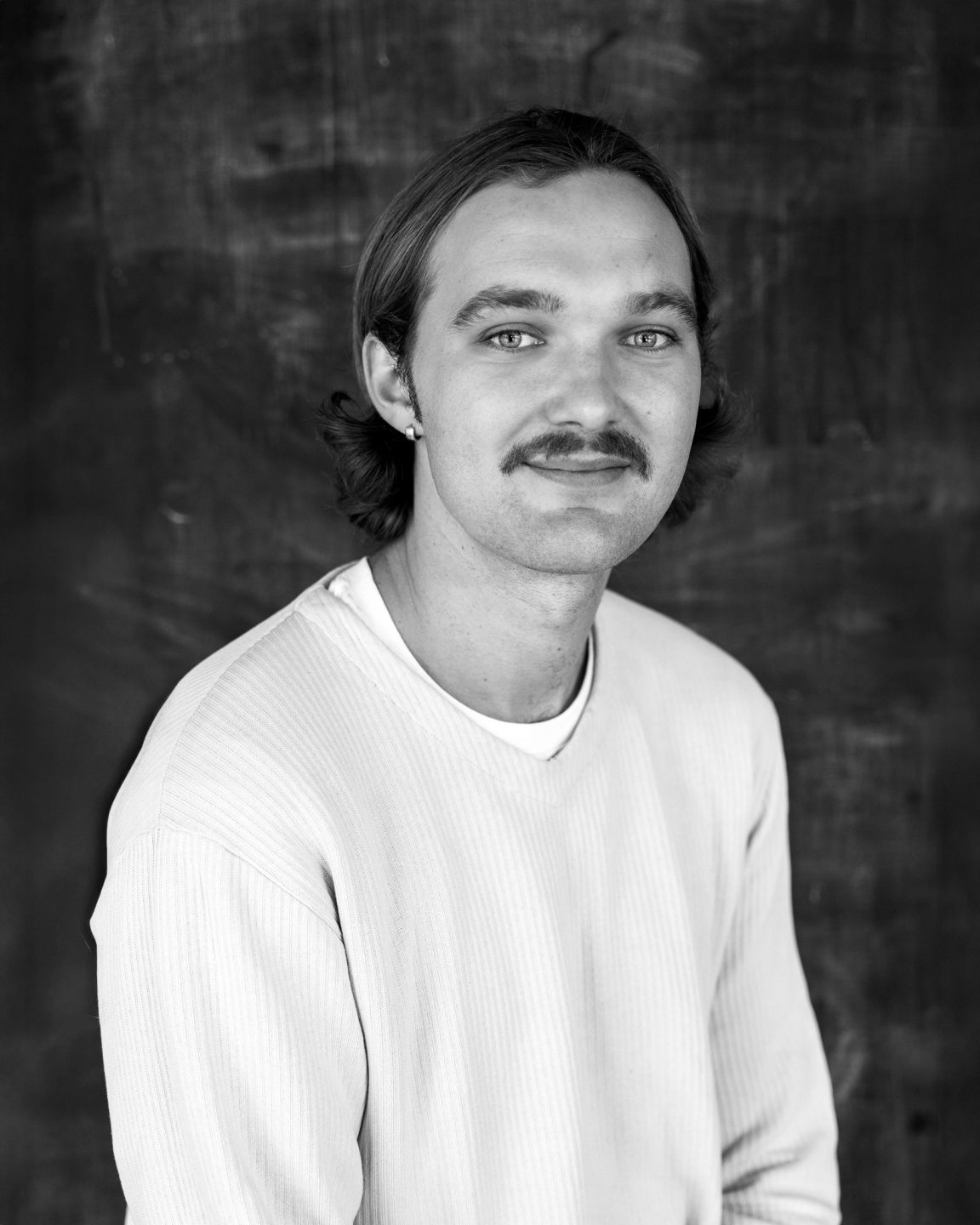
Jack Fox
Jack Fox is the Studio Coordinator of Photography and New Media at Anderson Ranch. He received a BFA in Photography and Film from Virginia Commonwealth University. His publications are in the collections of the Harvard Houghton Library, William & Mary Earl Gregg Swem Library, the VCU Cabell Library Special Collections, and the New York Public Library. He has guest lectured at William & Mary University and the Corcoran School of the Arts and Design at George Washington University. His clients include Berliner Zeitung, Interscope Records, New York Times Magazine, Outside magazine, and Wall Street Journal.
Jack's Links:
Jack's Upcoming Workshops
-
II
Level II
Photography students have a basic understanding of photography principles and technology and are comfortable using an SLR camera in manual mode. New Media students have a basic understanding of video, multimedia or animation software. Students have basic computer skills and are comfortable using a Macintosh computer.
-
III
Level III
Photography students have some formal training and significant experience making, capturing and digitally processing images using Adobe Lightroom and/or Adobe Photoshop. New Media students have some formal training in conceptual and technological aspects of video, multimedia, coding or animation and are versed in the appropriate software applications. Students have a portfolio of their artwork.
-
IV
Level IV
Photography students have advanced skills and knowledge of photography and digital image processing. New Media students have advanced skills and knowledge of video, multimedia, coding or animation. Students are self-motivated and have multiple portfolios of their artwork.
Aug 3 - 7, 2026
9 AM - 5 PM
Printed Stories: Designing Photobooks from Concept to Prototype
Matt Eich, Jack Fox
Tuition $1,095
Code P1026-26
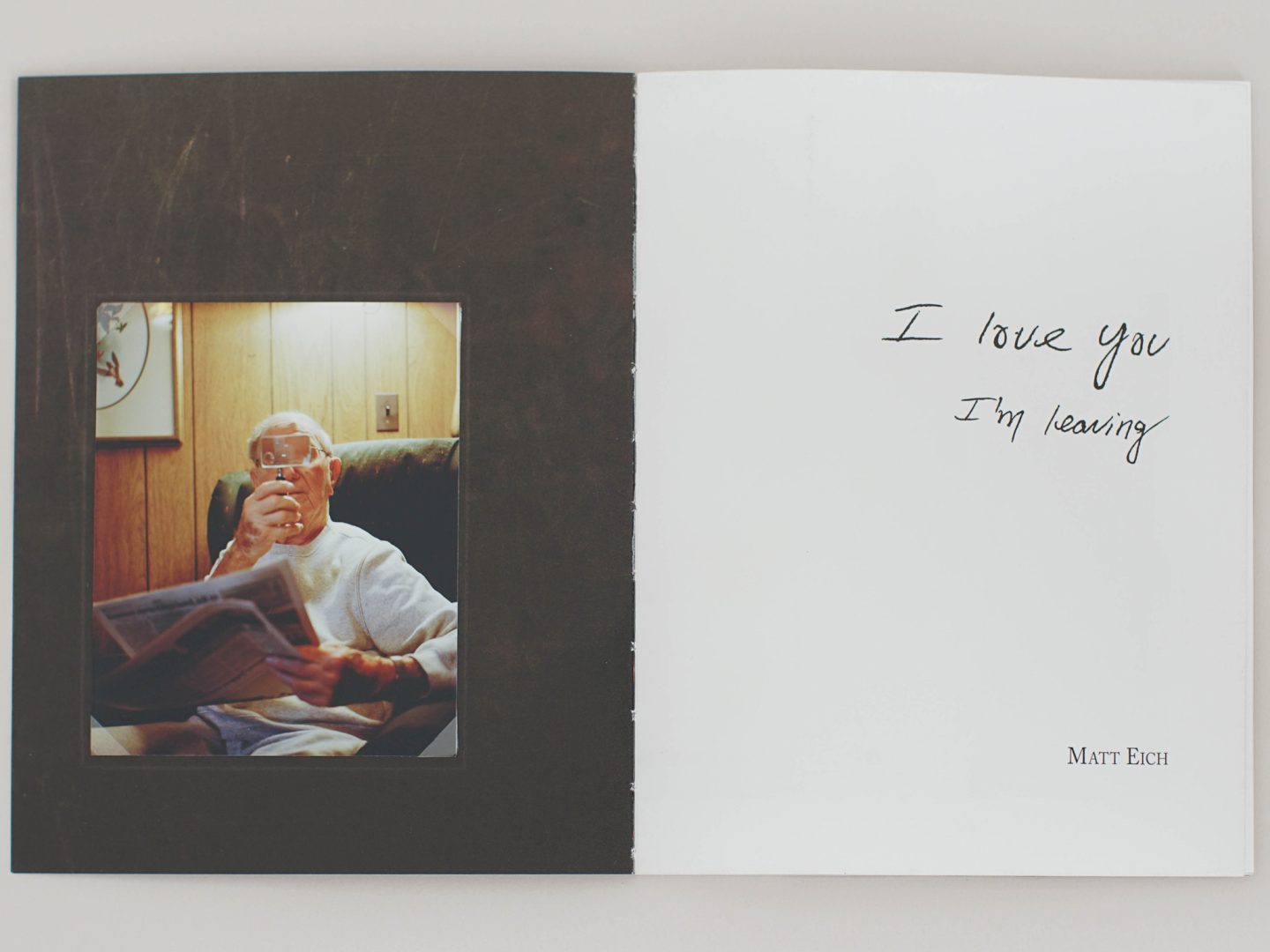
Photographers with developed bodies of work dive deeply into the art of creating zines and photobooks, exploring how these formats function as powerful tools for structuring, refining, and sharing long-form photographic projects. The workshop includes in-depth demonstrations of essential techniques—such as hand-binding methods, cover construction, trimming, sequencing workflows, and layout planning—so participants can see each step of the bookmaking process in action before applying it to their own projects. Throughout the week, photographers receive guided instruction in editorial decision-making, narrative development, and conceptual cohesion. Structured activities include collaborative editing sessions, peer critiques, guided sequencing exercises, and hands-on design modules using both analog and digital tools. Participants experiment with dummy-book structures and materials, learning how choices in paper, binding, and format influence the reading experience. By the end of the workshop, each photographer leaves with a deeper understanding of visual storytelling, sequencing, and layout, as well as one or more tangible prototypes or mock-ups of their own publication. These drafts serve as concrete foundations they can continue refining into fully realized zines or photobooks beyond the course.
-
I
Level I
Students are new to photography and new media and have no formal training in photography, video, multimedia or animation. Students have basic computer literacy.
-
II
Level II
Photography students have a basic understanding of photography principles and technology and are comfortable using an SLR camera in manual mode. New Media students have a basic understanding of video, multimedia or animation software. Students have basic computer skills and are comfortable using a Macintosh computer.
-
III
Level III
Photography students have some formal training and significant experience making, capturing and digitally processing images using Adobe Lightroom and/or Adobe Photoshop. New Media students have some formal training in conceptual and technological aspects of video, multimedia, coding or animation and are versed in the appropriate software applications. Students have a portfolio of their artwork.
Aug 17 - 21, 2026
9 AM - 5 PM
Cyanotype Printing: An Historic and Contemporary Approach
Heidi Kirkpatrick, Jack Fox
Tuition $1,195
Code P1231-26
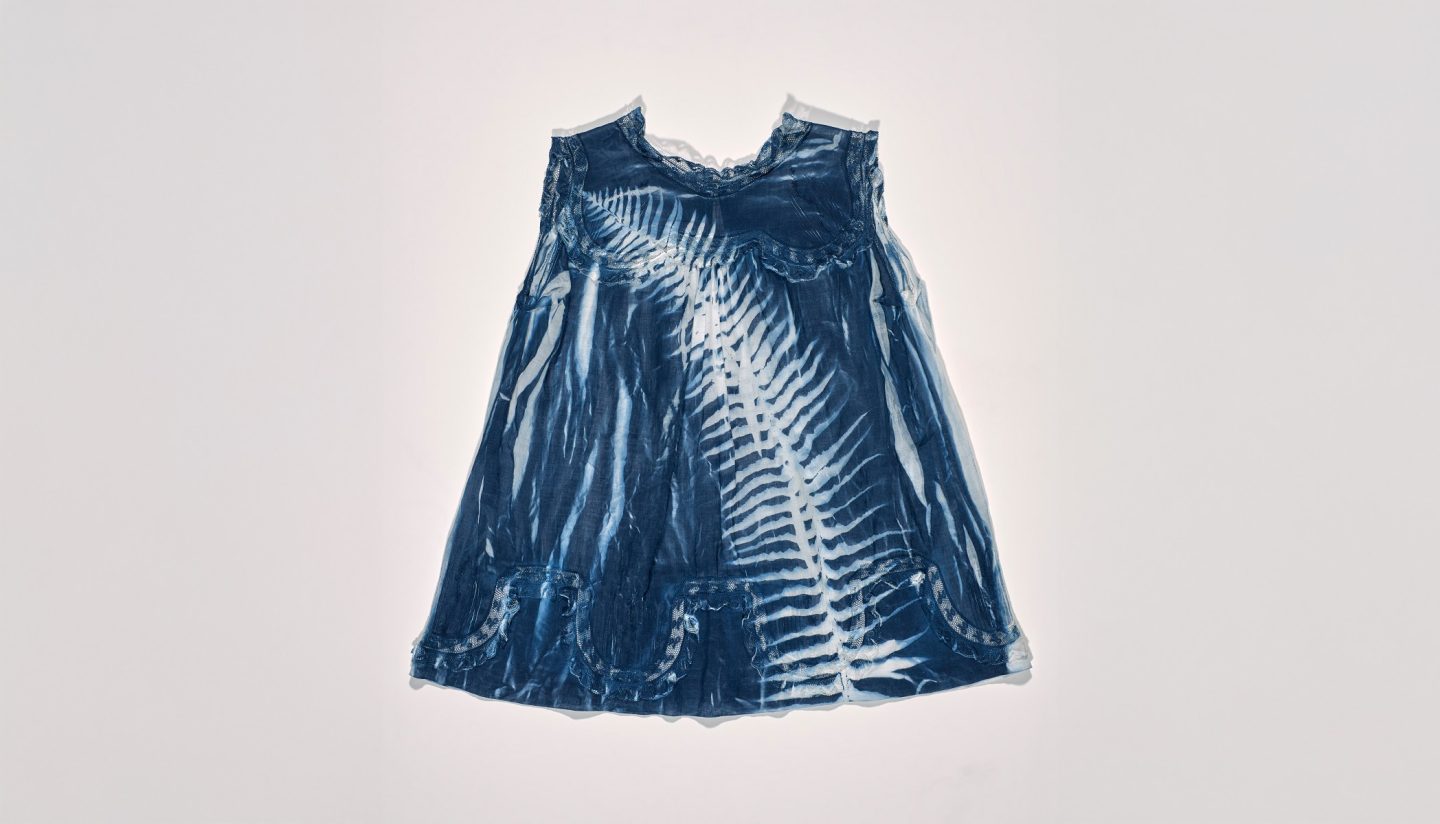
Explore the creative and historical possibilities of cyanotype in this hands-on workshop. Using non-toxic chemicals, working in both sunlight and UV light, you will create prints on paper and fabric while experimenting with this versatile 19th-century photographic process to create gorgeous, blue-and-white prints. Students will learn how to work with liquid emulsion, select papers and materials, calculate exposure, and develop their cyanotypes. Students can work with natural materials and found objects to create cyanotype photograms. Students are also welcome to bring an archive of digital images to incorporate into the process through digital negatives or scanned imagery. The workflow for creating and using digital negatives will be explored. Group discussions and demonstrations will support hands-on practice, creative exploration, and the development of individual artistic vision. Topics will include the use of alternative materials, combining the use of negatives and objects to produce unique works, creative presentation options, and the possibilities of making a home studio to continue your practice. Visual presentations of historical and contemporary artists working in the medium will also be included for creative inspiration. All cyanotype materials are provided, though participants are welcome to bring personal items for photograms, and unique papers and fabrics for experimentation as appropriate.