


Furniture Design & Woodworking
Code: W05W01-21
-
II
Level II
Students have experience working with computer-aided design with basic principles of CAM/software.
-
III
Level III
Students have some formal training in digital fabrication, experience with a variety of materials and fabrication processes, and know how to use CNC, 3-D printers, or laser cutters competently and safely. Students have a portfolio of their work.
-
IV
Level IV
Students have advanced skill and knowledge of digital fabrication and have experience with a variety of materials and fabrication processes, and know how to use CNC, 3-D printers, or laser cutters competently and safely. Students are highly motivated and have a portfolio of their artwork.
-
Virtual Workshop
Virtual Workshop, learn from the comfort of your own home.
VIRTUAL WORKSHOP
All About The CNC
Feb 1 - 18, 2021Past
Every Monday & Wednesday, 4- 5:30PM MST
Upcoming Workshops in Furniture Design & Woodworking
-
 January Studio Sessions: Furniture Design & Woodworking
Jan 4 - 8, 2027
January Studio Sessions: Furniture Design & Woodworking
Jan 4 - 8, 2027
-
 January Studio Session: Furniture Design & Woodworking
Jan 11 - 15, 2027
January Studio Session: Furniture Design & Woodworking
Jan 11 - 15, 2027
-
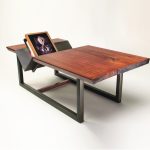 Furniture Design
Jan 18 - 22, 2027
Furniture Design
Jan 18 - 22, 2027
-
 January Studio Sessions: Furniture Design & Woodworking
Jan 25 - 29, 2027
January Studio Sessions: Furniture Design & Woodworking
Jan 25 - 29, 2027
Concept
Take your digital fabrication skills to a higher level in this advanced virtual workshop all about the CNC router. Demonstrations include design considerations for outputting to a 3-axis CNC, but the emphasis is placed on writing 2D and 3D toolpaths. Students learn everything from feeds and speeds, to bit selection, to 3-axis machine operation. This deep dive into the complex process of computer-aided machining (CAM) empowers participants to push their artistic practices into a new realm of fabrication. Previous CAD (computer-aided design) experience is necessary to enroll in this course. Though no specific software is required for CAD, we will use V-Carve Pro and Fusion 360 for toolpathing. The workshop culminates in a final project to be fabricated on the CNC routers at Anderson Ranch and mailed back to students with shipping and materials covered by the studio fee.
This workshop meets 4-5:30PM on Mondays and Wednesdays for group sessions, and 4-5:30PM for office hours. Please note that the first Tuesday only will be a group session, not office hours. Zoom Video Conferencing software (download free from Zoom.com) will be used to facilitate the class sessions. An Anderson Ranch staff member will coordinate the online platform. Further details will be emailed to registrants.
View All Furniture Design & Woodworking Workshops
Media & Techniques
CAD, Fusion 360 CAM, V-Carve Pro, CNC router, plywood, MDF, blue foam
Faculty
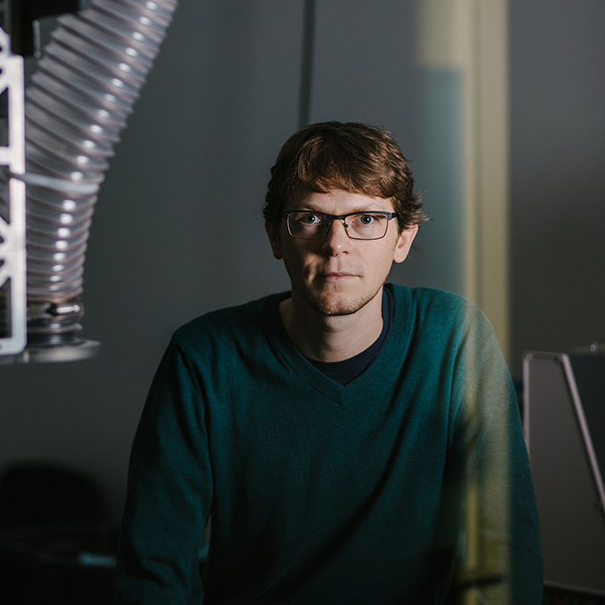
Vincent Edwards
Vincent Edwards teaches digital fabrication and sculpture at the University of Arkansas where he runs the 3-D Advanced Technologies Lab. He received his MFA from the Herron School of Art and Design in 2012. Vincent’s studio practice focuses on hybrid methodologies, specifically the intersection of traditional furniture craft and digital fabrication.

System of Curves Bench
Upcoming Workshops in Furniture Design & Woodworking
-
January Studio Sessions: Furniture Design & Woodworking
Jan 4 - 8, 2027
-
January Studio Session: Furniture Design & Woodworking
Jan 11 - 15, 2027
-
Furniture Design
Jan 18 - 22, 2027
-
January Studio Sessions: Furniture Design & Woodworking
Jan 25 - 29, 2027
Workshop Details
Scholarships, College Credit & Discounts
Making Art Accessible
Applications for scholarship support are encouraged. Specific scholarships are funded by Ranch supporters, either through endowed funds or special gifts.
Many colleges and universities offer college credit for workshops taken at Anderson Ranch. Discounts are available for students and teachers.
You Might Also Be Interested In

-
II
Level II
Students have experience working with stationary machines and power tools and are familiar with basic principles of joinery and 3-D design.
-
III
Level III
Students have some formal training in 3-D design, experience with a variety of materials and fabrication processes, and know how to use machine and hand tools competently and safely. Students have a portfolio of their artwork.
-
IV
Level IV
Students have advanced skill and knowledge of furniture design. Students are highly motivated and have multiple portfolios of their artwork.
-
P
Portfolio Review Required
Students have advanced skill and knowledge of furniture design and know how to use machine and hand tools competently and safely. Students are highly motivated and have multiple portfolios of their artwork and are professionals in the field.
-
S
Studio Session
Jan 4 - 8, 20279 AM - 5 PM
January Studio Sessions: Furniture Design & Woodworking
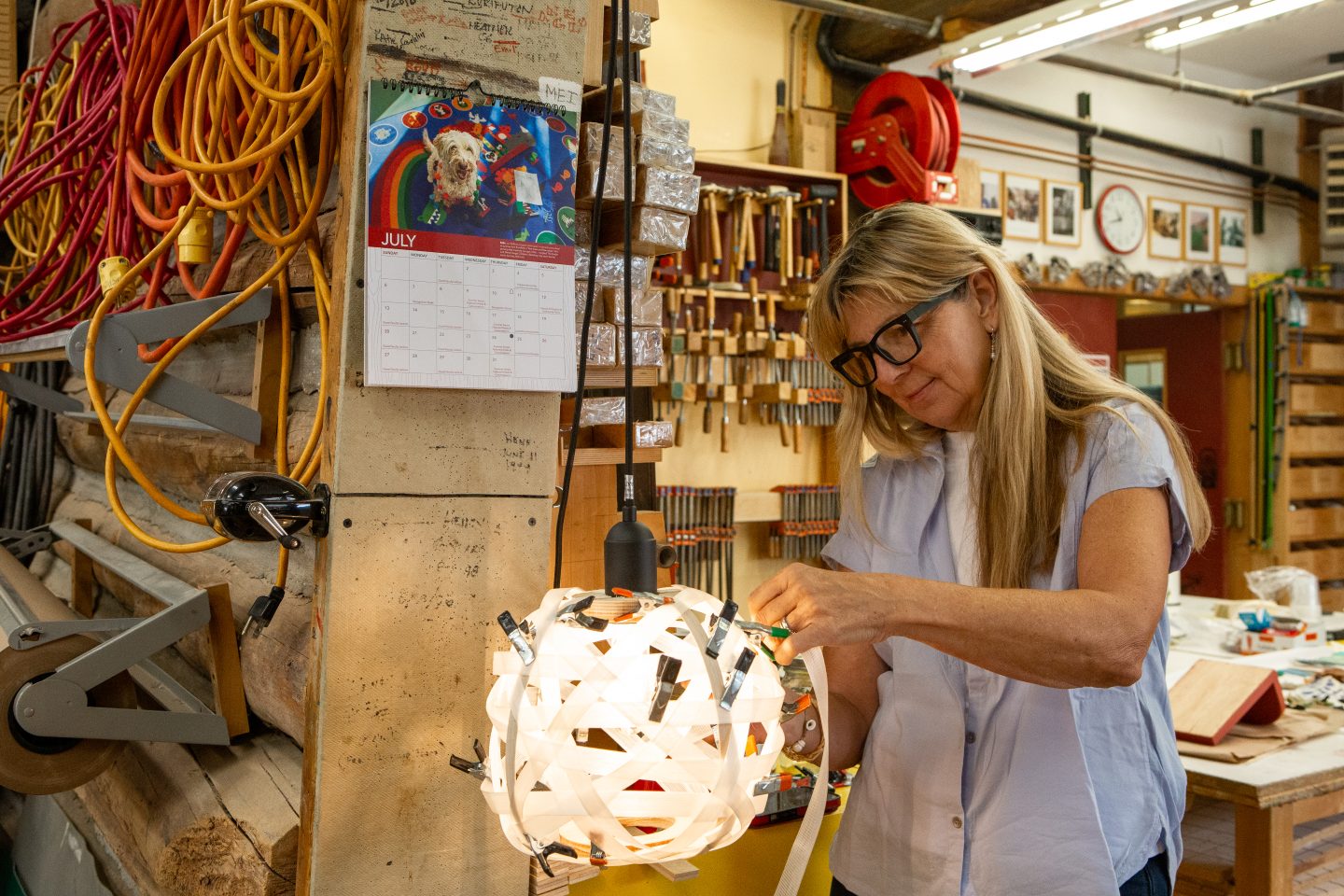
Leslie Rosenberg
Tuition $1,000
Code ZSW0101a-27
Anderson Ranch’s Studio Session approach provides artists the opportunity to work on independent projects while receiving regular one-on-one mentoring and critique sessions with Anderson Ranch artistic staff and interns. Each participant receives an assigned studio space, orientation and access to equipment, as well as five hours of weekly technical guidance in the Ranch’s state-of-the-art facilities. This program affords artists the experience enjoyed by national and international artists who access our state-of-the-art studios. Participants may expand their practices, take artistic risks, try new media or complete works for exhibition. *Bench and gluing rooms open 24 hours a day. LIMITED machine tool room access from 9am – 5pm and evening open tool room hours 7pm – 9pm Monday through Thursday. Studio Sessions are available to artists with prior experience in woodworking, tools, and safety. All participants will be required to attend safety orientations for the facilities and specific tools they will use. they will use. TO APPLY: Portfolios will be accepted on a rolling basis. Instructions on how to submit your portfolio are as follows: Submit digital images of your work via email directly to Betsy Alwin, Artistic Director of Ceramics and Expanded Media, [email protected] . Include 3-5 images of your work with image identification that lists the title, media, dimensions and year of each image. While not required, it is helpful to see an artist statement addressing the images you send. Include “Advanced Portfolio Review” in the subject line of your email, as well as the studio session you are applying for. Please provide a phone number where you can be reached and a link to your website. Please contact Betsy Alwin with any questions at [email protected] or 970-924-5054
-
II
Level II
Students have experience working with stationary machines and power tools and are familiar with basic principles of joinery and 3-D design.
-
III
Level III
Students have some formal training in 3-D design, experience with a variety of materials and fabrication processes, and know how to use machine and hand tools competently and safely. Students have a portfolio of their artwork.
-
IV
Level IV
Students have advanced skill and knowledge of furniture design. Students are highly motivated and have multiple portfolios of their artwork.
-
P
Portfolio Review Required
Students have advanced skill and knowledge of furniture design and know how to use machine and hand tools competently and safely. Students are highly motivated and have multiple portfolios of their artwork and are professionals in the field.
-
S
Studio Session
Jan 11 - 15, 20279 AM - 5 PM
January Studio Session: Furniture Design & Woodworking
Leslie Rosenberg
Tuition $1,000
Code ZSW0101b-27
Anderson Ranch’s Studio Session approach provides artists the opportunity to work on independent projects while receiving regular one-on-one mentoring and critique sessions with Anderson Ranch artistic staff and interns. Each participant receives an assigned studio space, orientation and access to equipment, as well as five hours of weekly technical guidance in the Ranch’s state-of-the-art facilities. This program affords artists the experience enjoyed by national and international artists who access our state-of-the-art studios. Participants may expand their practices, take artistic risks, try new media or complete works for exhibition. *Bench and gluing rooms open 24 hours a day. LIMITED machine tool room access from 9am – 5pm and evening open tool room hours 7pm – 9pm Monday through Thursday. Studio Sessions are available to artists with prior experience in woodworking, tools, and safety. All participants will be required to attend safety orientations for the facilities and specific tools they will use. they will use. TO APPLY: Portfolios will be accepted on a rolling basis. Instructions on how to submit your portfolio are as follows: Submit digital images of your work via email directly to Betsy Alwin, Artistic Director of Ceramics and Expanded Media, [email protected] . Include 3-5 images of your work with image identification that lists the title, media, dimensions and year of each image. While not required, it is helpful to see an artist statement addressing the images you send. Include “Advanced Portfolio Review” in the subject line of your email, as well as the studio session you are applying for. Please provide a phone number where you can be reached and a link to your website. Please contact Betsy Alwin with any questions at [email protected] or 970-924-5054
-
I
Level I
Students are new to Furniture Design & Woodworking and have no formal training.
-
II
Level II
Students have experience working with stationary machines and power tools and are familiar with basic principles of joinery and 3-D design.
-
III
Level III
Students have some formal training in 3-D design, experience with a variety of materials and fabrication processes, and know how to use machine and hand tools competently and safely. Students have a portfolio of their artwork.
Jan 18 - 22, 20279 AM - 5 PM
Furniture Design
Brad Reed Nelson
Tuition $1,250
Code JANSTU2027W
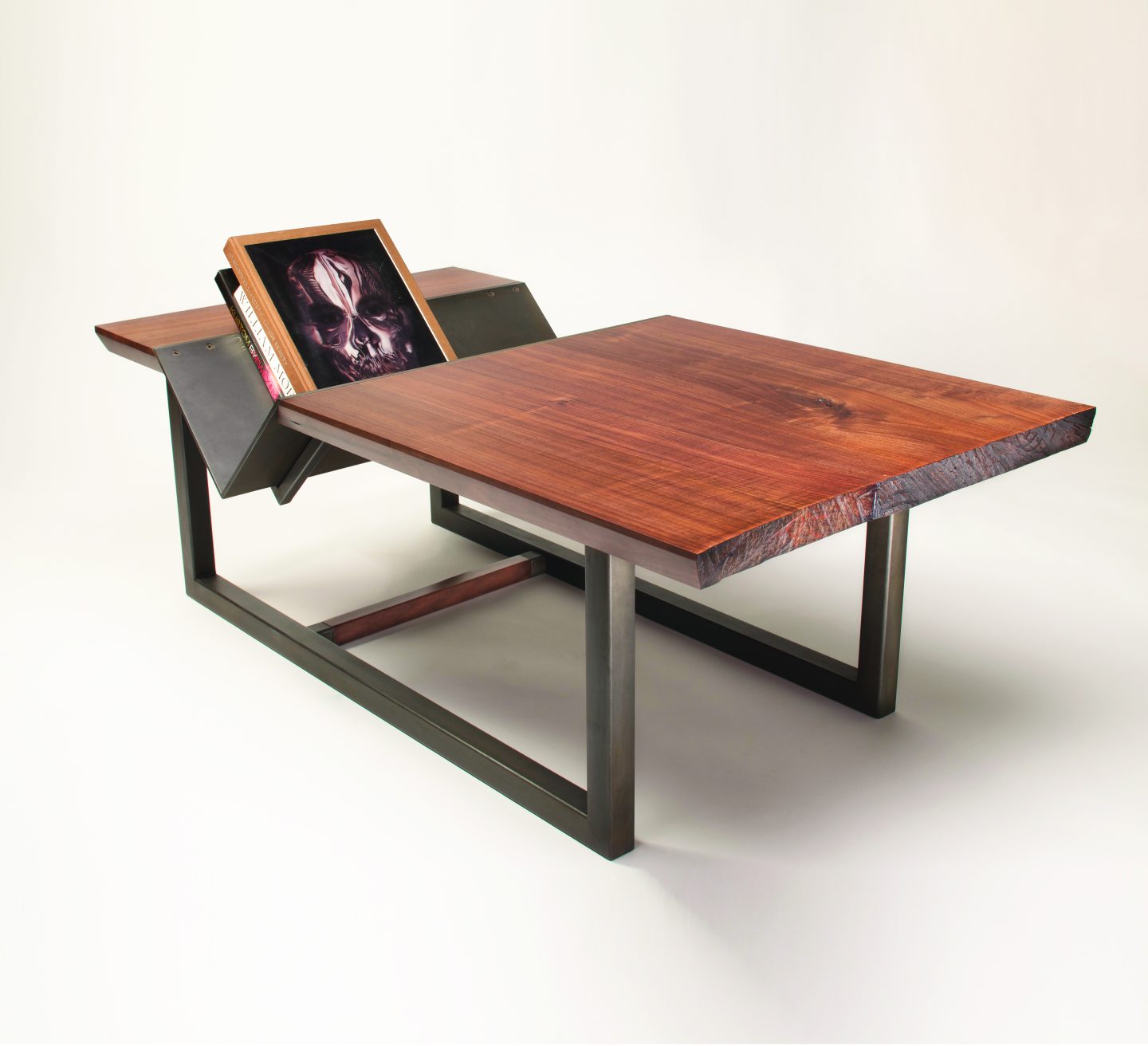
This workshop for beginning to intermediate woodworkers focuses on introducing and demystifying the wide world of woodworking. Beginning with design creation, students new to wood spend the week making basic stools and small tables, exploring how to make their designs come to life. Students learn how to operate and understand woodworking machinery, focusing on safety and craftsmanship. More advanced students take advantage of Brad’s expertise, learning new skills and working through design problems. Participants leave with beautiful, personalized, well-built furniture that stands the test of time and adds a unique flair to any living or workspace.