


Photography & New Media
Code: P0720-26
-
Ages 9-12
Game On! Discover the Basics of Game Design in Scratch
Jul 13 - 17, 2026
9 AM - 3 PM
Tuition: $675.00
Course Fee: $100.00
Registration Fee: $25.00
Concept
In this workshop, every participant creates at least one small, fully realized video game using Scratch, an inviting and playful programming platform perfect for exploration and experimentation. Our approach is inclusive, welcoming, and fast-paced as we delve into game design within an artistic context. Through a blend of hands-on demonstrations and creative prompts, participants are encouraged to tinker, explore, and craft their own games, complete with original characters and stories. Thisworkshop is open to all skill levels including beginners. Se habla español, and all are welcome!
View All Photography & New Media Workshops
Media & Techniques
Do-as-I-do demonstration, playful exploration of code blocks, draw our own sprites, learn about if-then conditional statements, learn about score-keeping variables, learn about player interactions, and learn about win-loss-tie game states.
Faculty

Rafael Fajardo
With his collaborative, SWEAT, Rafael Fajardo makes games and interactive works that are both smart and accessible. Their games have been exhibited in museums and festivals internationally. Fajardo has led formal and informal workshops in game design for more than 20 years. He is an associate professor at the University of Denver.
Rafael Fajardo, Image Transfers, Books, Works in Progress
Tuition: $675.00
Course Fee: $100.00
Registration Fee: $25.00
Join Waitlist for Game On! Discover the Basics of Game Design in Scratch
Thank you for your interest in the waitlist. When space in a workshop or program becomes available, registration will open on the website. Everyone on the waitlist will be emailed to alert them of the opening. This ensures that everyone has an equal opportunity to register for the workshop or program.
Workshop Details
Scholarships, College Credit & Discounts
Making Art Accessible
Applications for scholarship support are encouraged. Specific scholarships are funded by Ranch supporters, either through endowed funds or special gifts.
Many colleges and universities offer college credit for workshops taken at Anderson Ranch. Discounts are available for students and teachers.
You Might Also Be Interested In
-
O
Open to All
Students of any skill and knowledge level.
Jun 1 - 5, 2026
9 AM - 5 PM
Photographic Collage: An Exploration of Photography and Painting
Kate Leonard
Tuition $1,200
Code P0103-26
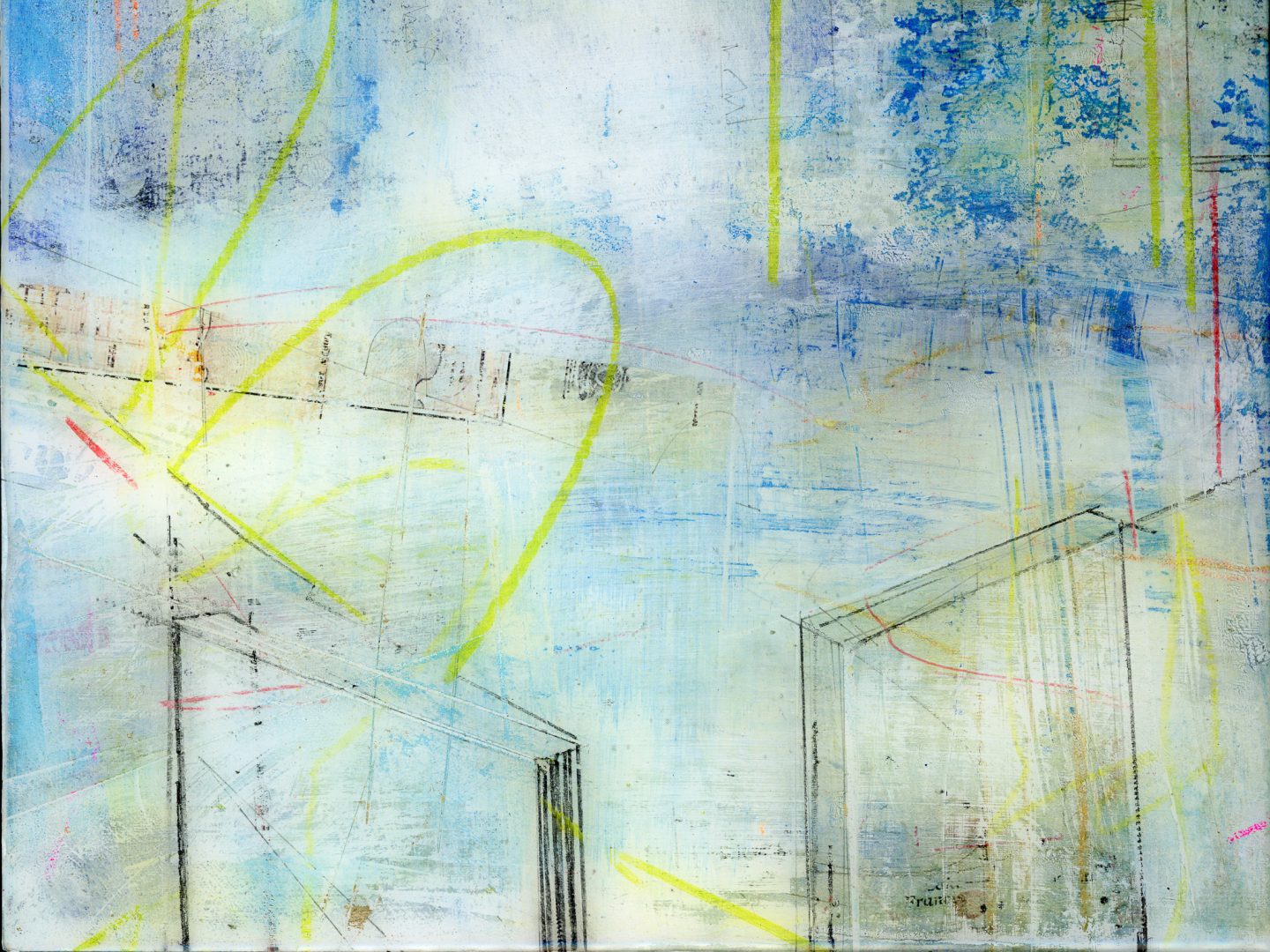
Join an engaging exploration of the synthesis between two distinct art forms: photography and painting. Students discover transfer techniques that integrate photographic images and text directly onto painted surfaces, resulting in intriguingly layered works. Participants explore traditional collage and photomontage, and master new methods that allow for opaque and translucent layers. Reductive methods, such as sanding and scraping, reveal the history of earlier photographic layers and suggest an archaeological approach to image development. The workshop emphasizes experimentation and exploratory approaches. Students produce a portfolio of physical examples of all techniques.
-
O
Open to All
Students of any skill and knowledge level.
Jun 8 - 12, 2026
9 AM - 5 PM
Alternative Processes Unleashed: Cyanotype and Gum Bichromate
Diana Bloomfield
Tuition $1,195
Code P0205-26
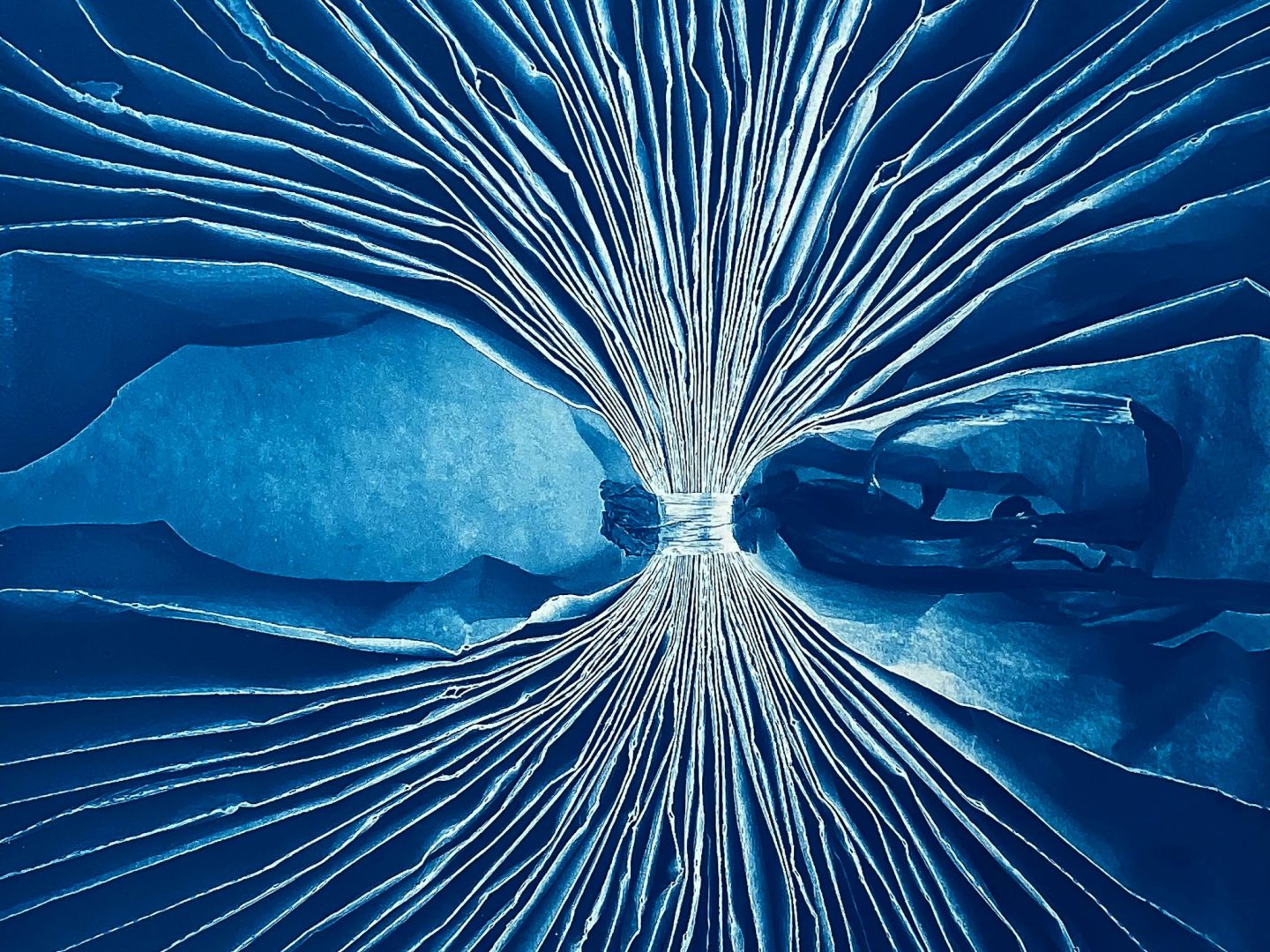
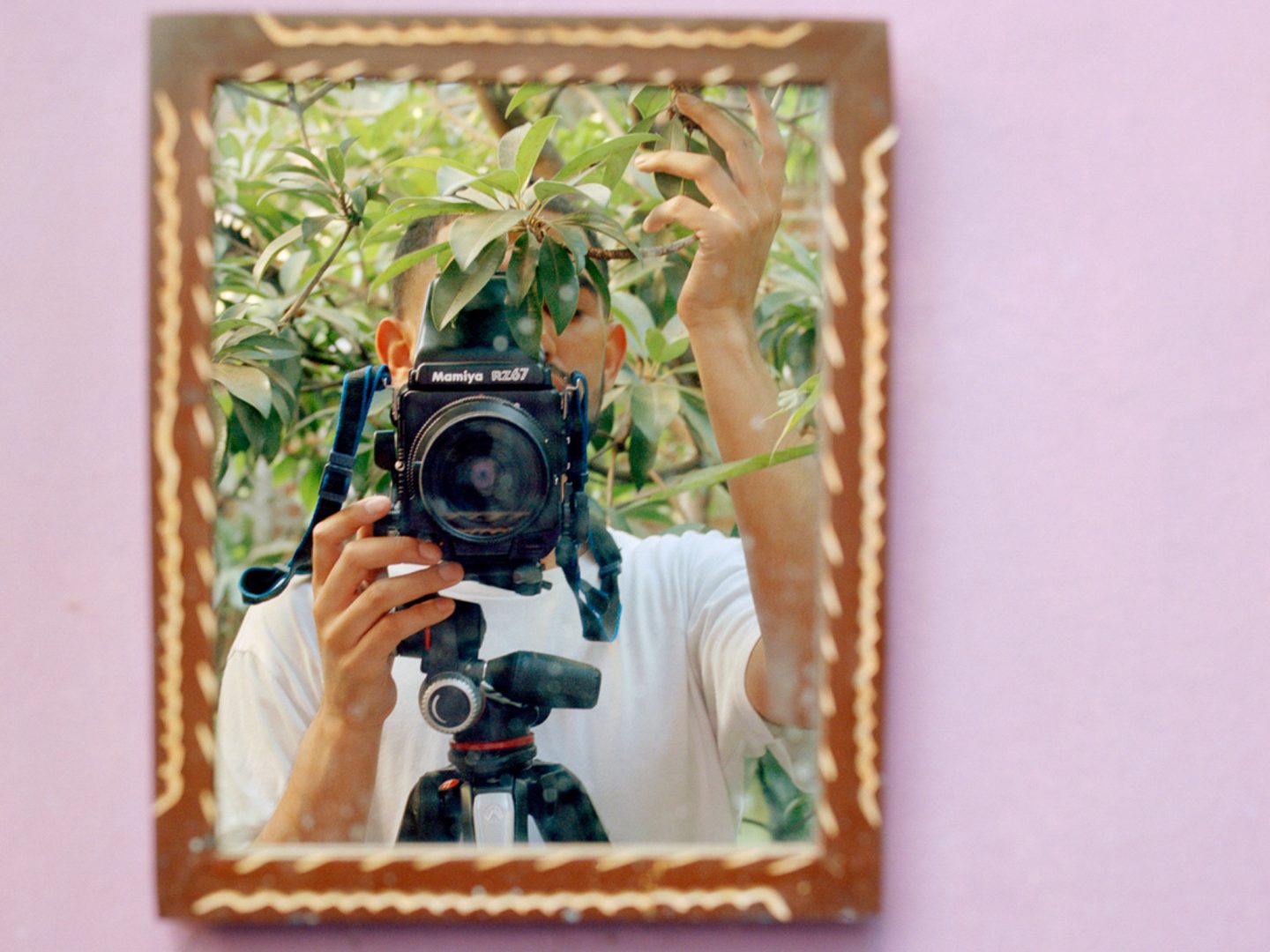
The deceptively simple cyanotype process—one of the oldest photographic printing methods—offers a stunning range of exquisite and mysterious blues. Students embark on an exploration of this timeless technique, experimenting on various papers to create both photograms and photographs while learning to produce digital negatives. While cyanotype stands alone as a beloved process for contemporary photographic artists, many practitioners push its boundaries by toning their prints with organic botanical toners, unlocking a remarkable spectrum of colors and hues. This versatile method also pairs beautifully with other alternative techniques, including gum bichromate. Participants delve into the vibrant possibilities of layering gum bichromate over their cyanotypes, engaging deeply with color and process while connecting to the medium’s rich artistic heritage.
-
II
Level II
Photography students have a basic understanding of photography principles and technology and are comfortable using an SLR camera in manual mode. New Media students have a basic understanding of video, multimedia or animation software. Students have basic computer skills and are comfortable using a Macintosh computer.
-
III
Level III
Photography students have some formal training and significant experience making, capturing and digitally processing images using Adobe Lightroom and/or Adobe Photoshop. New Media students have some formal training in conceptual and technological aspects of video, multimedia, coding or animation and are versed in the appropriate software applications. Students have a portfolio of their artwork.
Jun 8 - 12, 2026
9 AM - 5 PM
Photographic Poetry
Steven Molina Contreras
Tuition $1,095
Code P0204-26
Images and poetry have long shared a deep and resonant dialogue, each illuminating the other in unexpected ways. This workshop invites students to explore that intersection, using the visual language of photography to respond to and be inspired by the written word. In this workshop, students photograph, edit, print, and sequence a small body of work inspired by poetry. Each morning begins with group dialogues and critiques designed to help participants refine their narrative voice and strengthen their conceptual approach. Along the way, they are introduced to artists and writers who have merged image and text, expanding the possibilities of both. Working with a range of photographic techniques—including portraiture, landscape, appropriation, and alternative processes—students are guided in bringing a project from concept to final form, gaining confidence in experimentation and new ways of seeing. Field trips complement studio activities.