


Printmaking
Code: R0707-26
-
Ages 13-17
Screen Printing for Teens
Jul 13 - 17, 2026
9 AM - 3 PM
Tuition: $675.00
Course Fee: $220.00
Registration Fee: $25.00
Concept
Students learn to use the screen printing process to transform their own imagery into unique works of art. In this exciting workshop, designed specifically for teens, students design and print their own t-shirts, posters, and original works on paper. This course covers a variety of screen printing techniques including multiple-color registration and split fountain printing. Budding young screen printing experts learn to make their own screen prints at home, as well as create a series of prints for a developing portfolio.
View All Printmaking Workshops
Media & Techniques
Water-based screen printing,paper, fabric
Faculty

Lindsey Yeager
Studio Coordinator, Paint and Printmaking
Lindsey Yeager paints and illustrates connections between society and nature, between human and animal, translating and reframing human contexts into fearful, raw, and feral allegories. Yeager received BFAs in New Studio Practice and Illustration from Milwaukee Institute of Art & Design. Her work has been shown at Var Gallery, Mana Contemporary, Soft Times Gallery, Museum of Wisconsin Art, and Society of Illustrators, among others. Lindsey is represented by Var Gallery in Milwaukee, WI and works as the Studio Coordinator of Painting, Drawing, and Printmaking at Anderson Ranch.
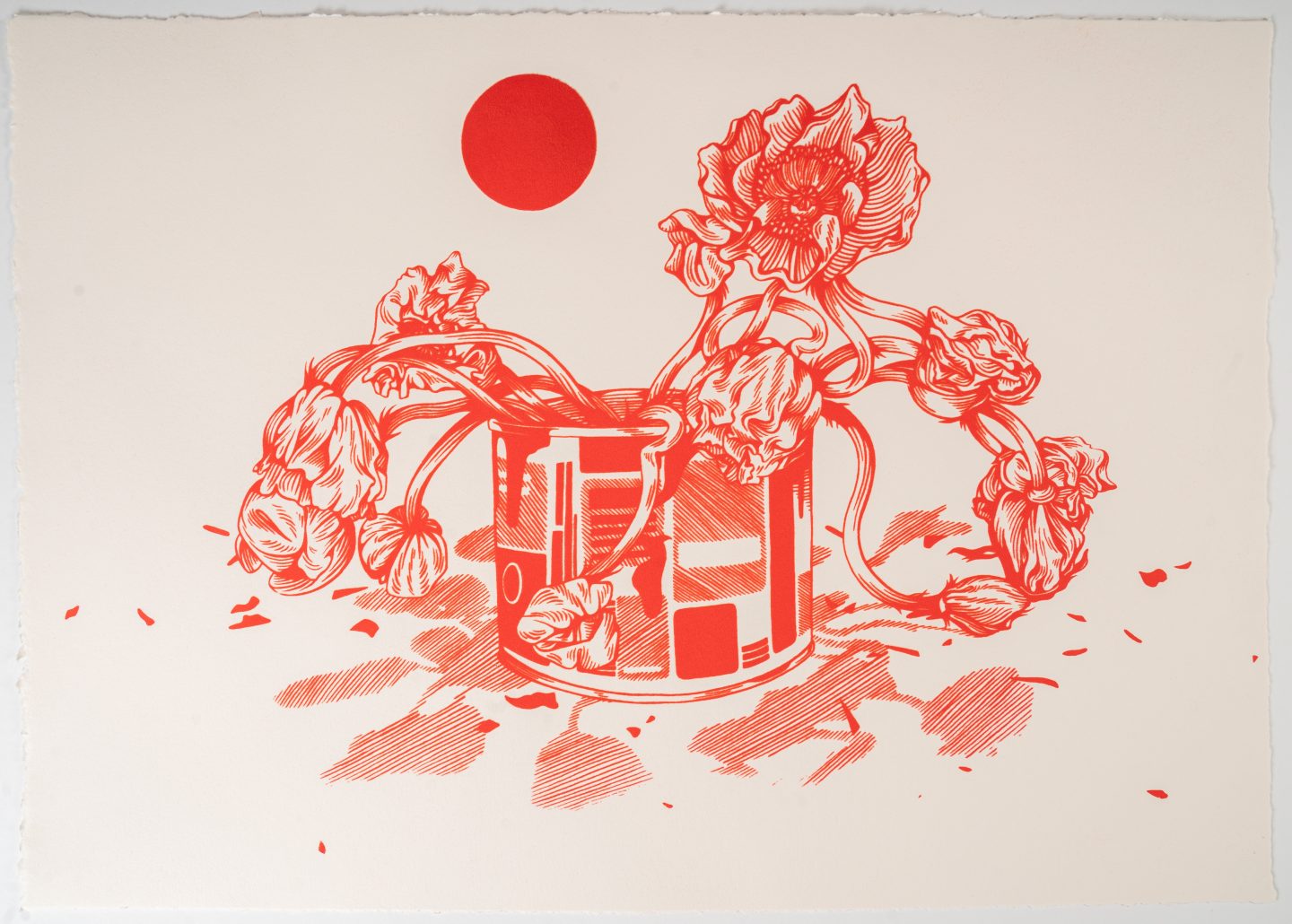
Lindsey Yeager, Poppies in Coffee Can 2025
Tuition: $675.00
Course Fee: $220.00
Registration Fee: $25.00
Workshop Details
Workshop Supplies
For general information about studio access, shipping, and more, please visit our info page.
If you have any questions regarding your supplies for your workshop, please contact Lindsey Yeager, [email protected].
Provided by Anderson Ranch
Equipment
- Brayers
- Computer
- Containers
- Cutting mats
- Drills
- Emulsion remover
- Gamsol
- Glass top surfaces
- Gloves
- Hot plates
- Ink knives
- Irons
- Large-format transparency printer
- Laser printer
- Newsprint
- Paper cutter
- Paper towels
- Push pins
- Rags
- Razor scrapers
- Rubbing alcohol
- Rulers
- Scissors
- Soaking trays
- Soysolv
- Sponges
- Squeegees
- Vegetable oil
- Work tables
Supplies
- Assorted screen ink and modifiers
- Watercolors
- Water-soluble markers
- Water-soluble crayons
- Suminagashi ink
- Cardstock, assorted sizes
- Heavyweight cotton rag paper, assorted sizes
- Blue tape
- Felt
- Mylar - matte and gloss
- Transparency markers
- Gouache
- Sketchbook
What you need to bring
Required Tools and Supplies
- Prohibited supplies: power tools, torches, spray paint, encaustic, turpentine, resin, plastisol, any solvent that isn’t low VOC
- Shirts/clothing and/or fabric with a tight weave (jersey knit, cotton, denim, etc) - for shirt printing project**
- Images you’re interested in converting into a screen print (ideally printed out)
- An apron or old oversized t-shirt**
Optional Tools and Supplies
- White (or light colored) t-shirt for screen printing**
* Available for purchase in the studio.
** Available to purchase at the Anderson Ranch ArtWorks Store for 10% off. The store aims to stock comparable items, though specific products from the supply list may vary based on inventory.
Learn more about shipping supplies and artwork to and from the Ranch in the Student Handbook.
Scholarships, College Credit & Discounts
Making Art Accessible
Applications for scholarship support are encouraged. Specific scholarships are funded by Ranch supporters, either through endowed funds or special gifts.
Many colleges and universities offer college credit for workshops taken at Anderson Ranch. Discounts are available for students and teachers.
You Might Also Be Interested In
-
O
Open to All
Students of any skill and knowledge level.
Jun 1 - 5, 2026
9 AM - 5 PM
Contemporary Mokuhanga: Experimental and Alternative Methods
Yoonmi Nam
Tuition $1,250
Code R0101-26
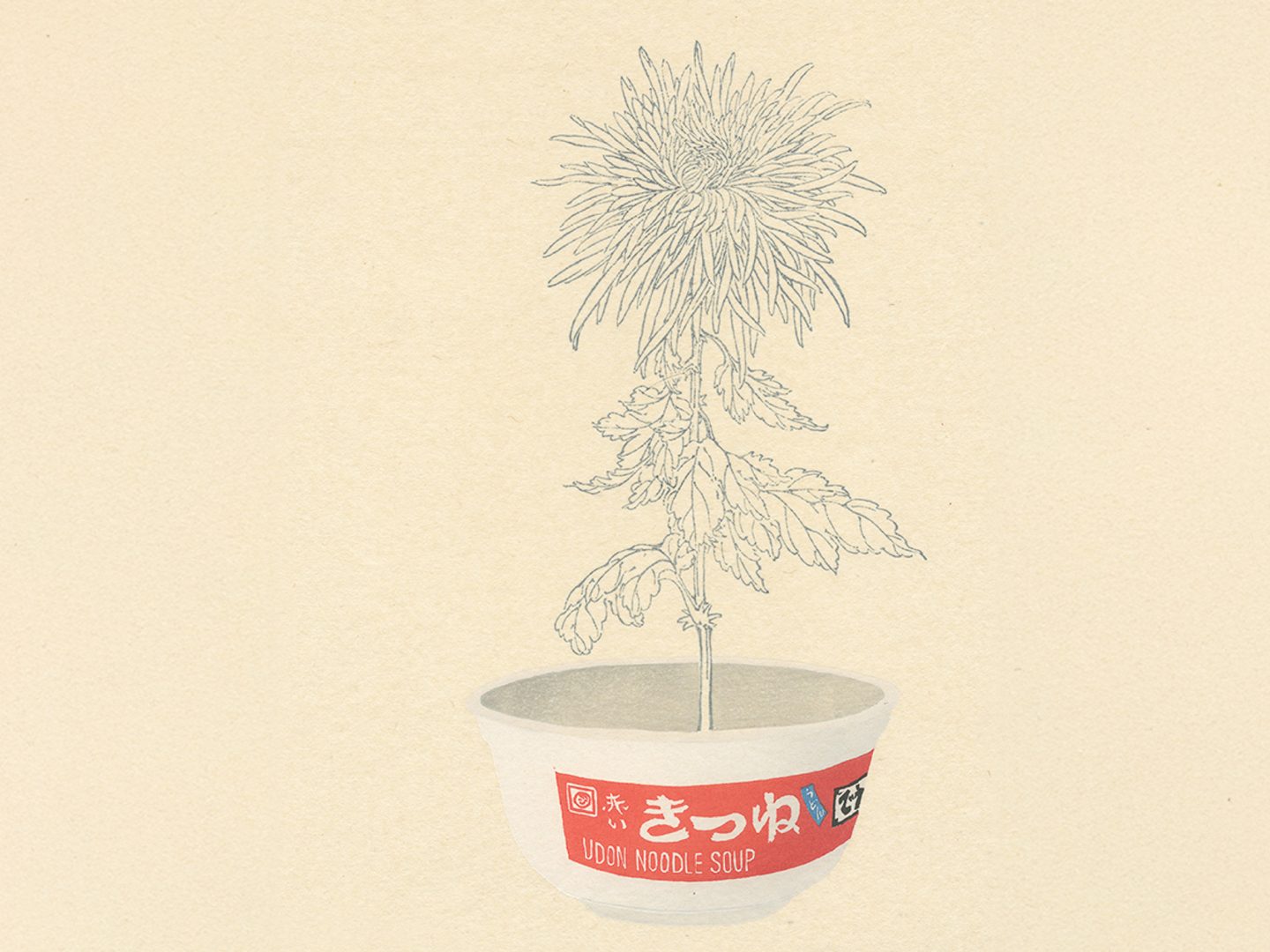
Expand the possibilities of contemporary mokuhanga through experimental approaches to Japanese-style water-based woodblock printing. This workshop introduces alternative methods such as no-cut woodblock printing, white-line woodcut, printing with natural pigments, and other inventive processes. Participants are encouraged to explore unconventional materials and experimental image-building processes that can complement traditional mokuhanga. Through demonstrations, discussions, and studio experimentation, students investigate how this non-toxic and press-free process continues to evolve as a dynamic form of creative expression, connecting tradition and innovation while offering endless possibilities for artists.
-
O
Open to All
Students of any skill and knowledge level.
Jun 8 - 12, 2026
9 AM - 5 PM
Drypoint with Mixed Media
Denise Karabinus
Tuition $1,250
Code R0202-26
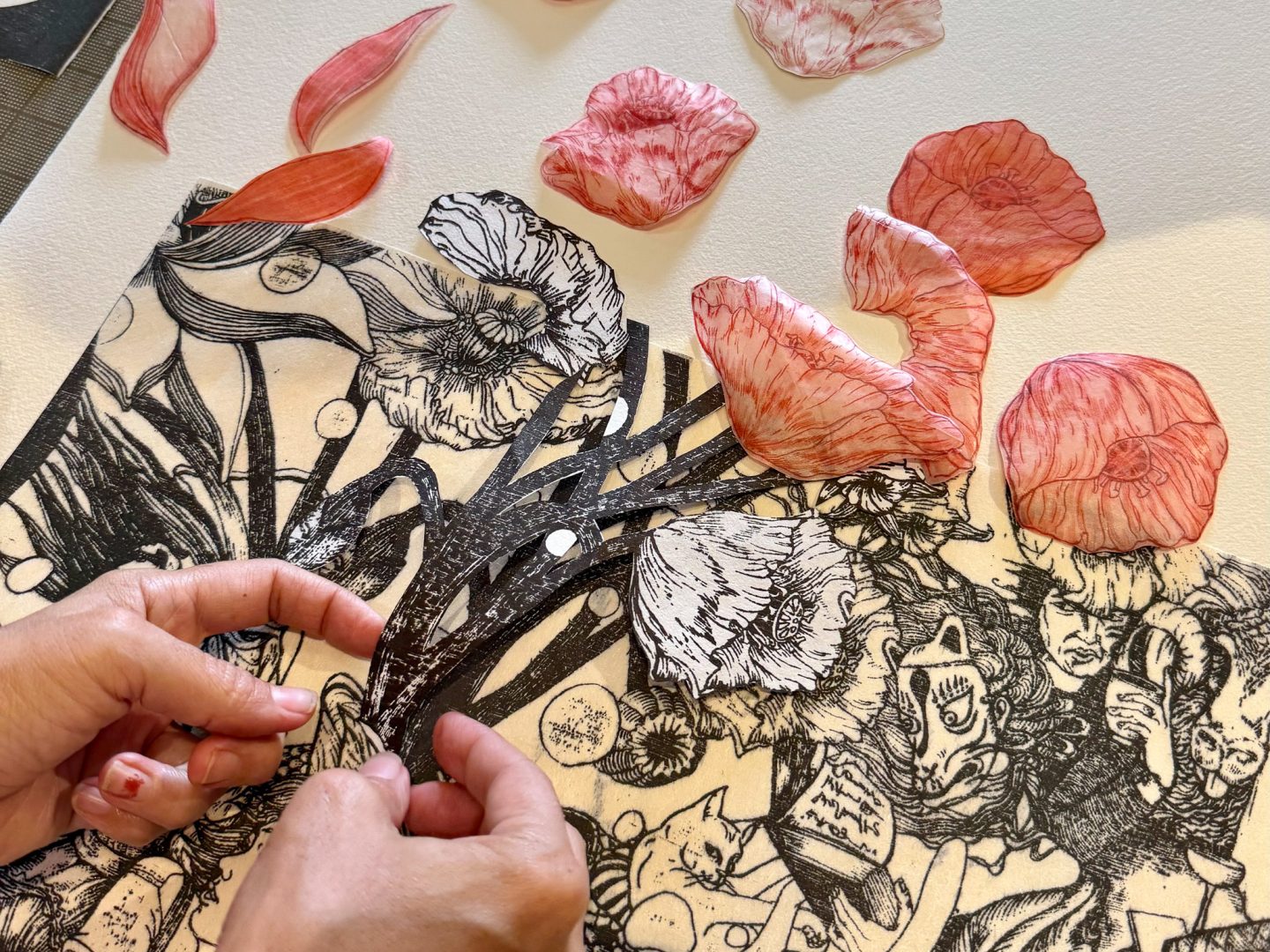
In this experimental and playful printmaking class, students explore exciting chine collé techniques — affectionately dubbed the “potato chip” method — learning to inlay one printed image inside another, and experiment with dynamic collage techniques in combination with drypoint. Beginning with drypoint techniques on plexiglass, printmakers explore new ways to breathe life into their work through innovative methods. Students are also invited to experiment with plates, papers, and prints from previous projects. All print media work well with these techniques and skills learned in this class can be applied to your practice in a multitude of ways.
-
O
Open to All
Students of any skill and knowledge level.
Jun 15 - 19, 2026
9 AM - 5 PM
Reduction Linocut: Blends, Layers & Registration
Israel Campos
Tuition $1,250
Code R0303-26
Dive into the compelling printmaking process of reduction linocut printed by hand on Japanese paper. The reduction method is a relief printmaking technique for making multi-color prints from one block of wood, or, in this class, linoleum. With each layer of carving and impression, students discover the transformation and complexity of their image, adding depth, color, and dynamism. The process results in a rich, textured print with layered detail specific to this unique medium. Students learn to prepare paper and blocks for printing using registration tabs and pins. Blend rolls and stencils are introduced as a means to add further detail and richness.