


Digital Fabrication
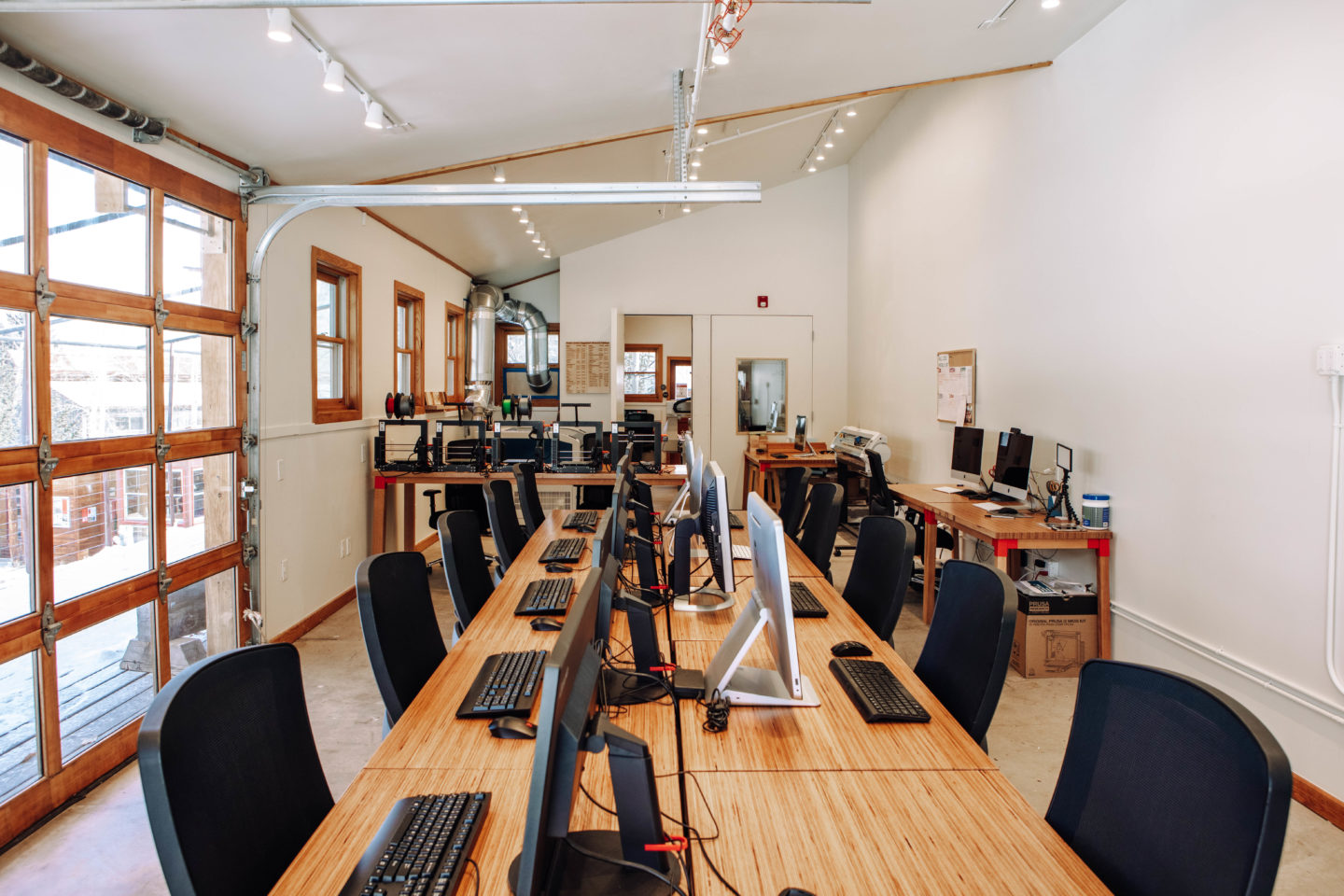
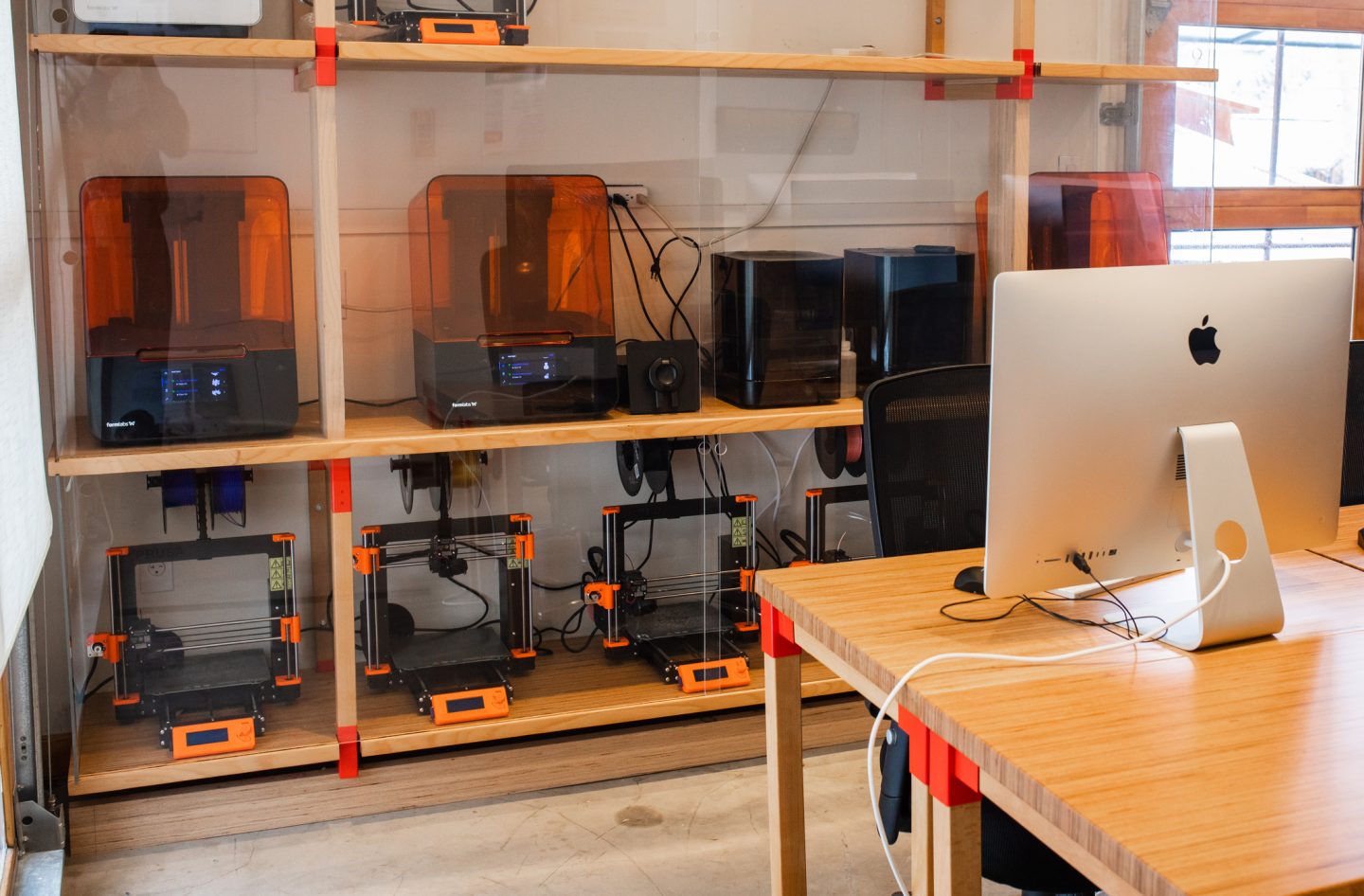
Discover the exciting, cutting-edge tools available in our FabLab — Anderson Ranch’s impressive digital fabrication lab. These workshops provide powerful tools for self-expression in the hands of creative faculty, and present dynamic opportunities to merge the newest visual arts technologies with traditional processes.
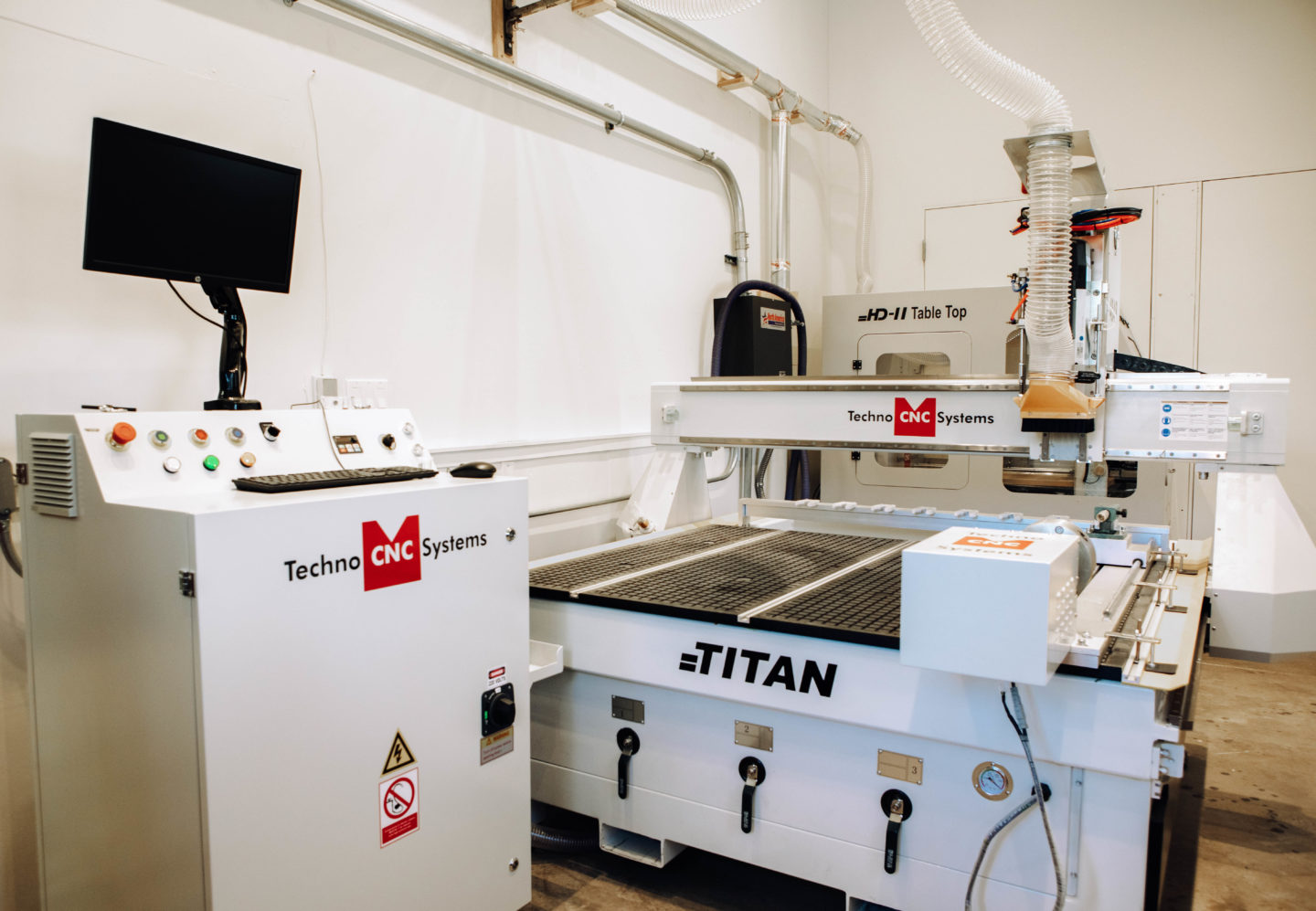
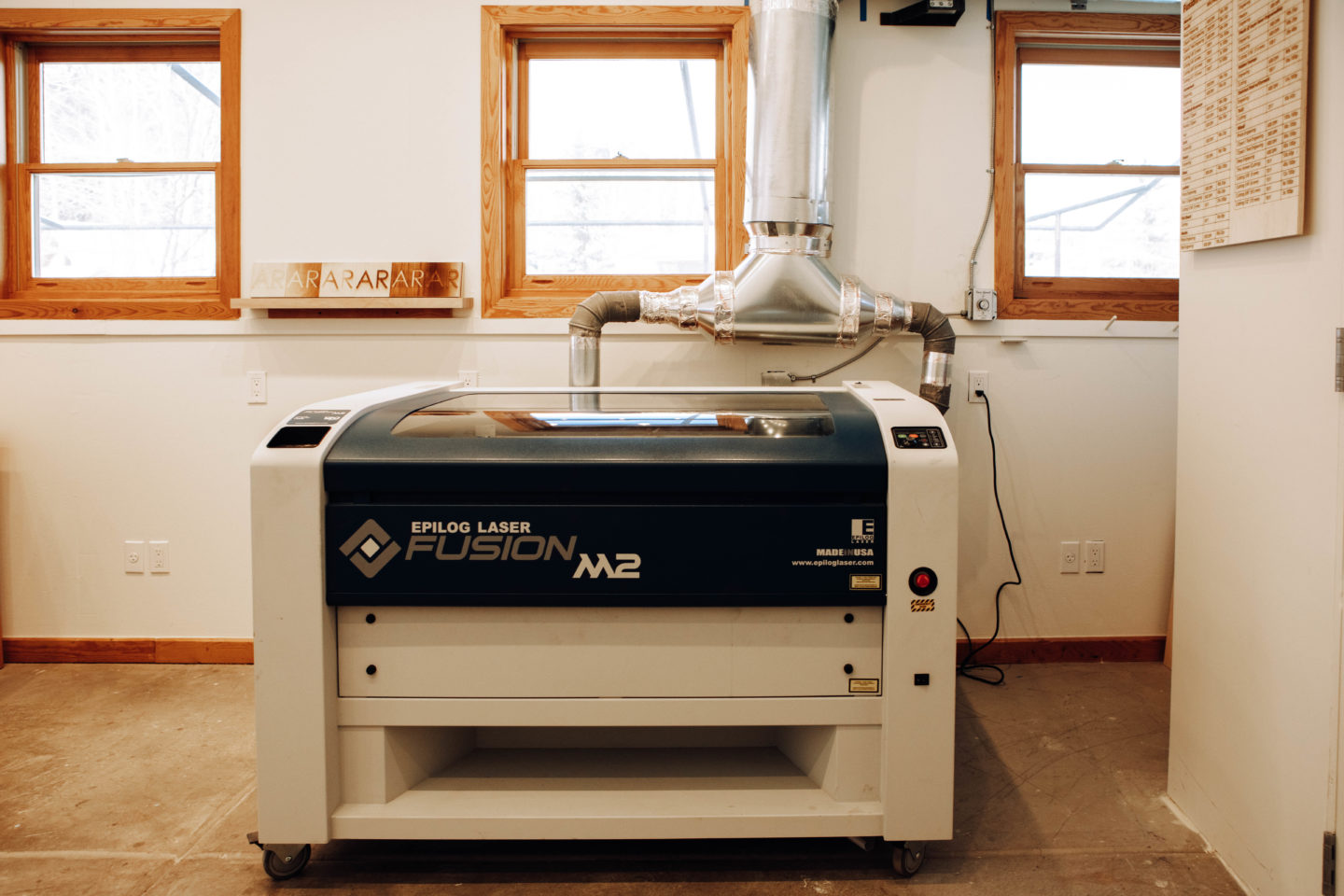
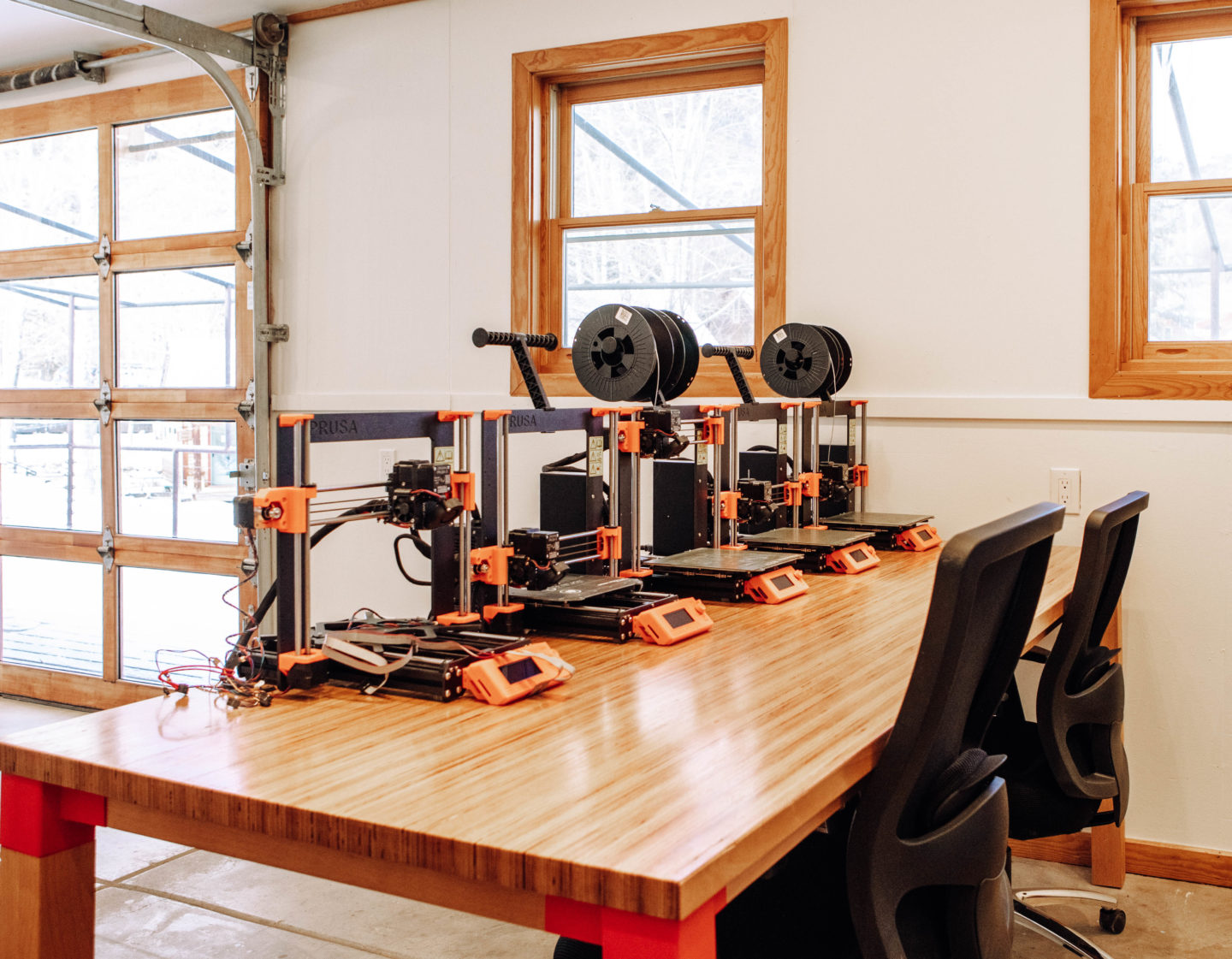
A variety of workshops use the digital fabrication technology in the FabLab and throughout multiple studios on the Ranch campus. Explore the possibilities with our state-of-the-art equipment, including 4-axis CNC (computer-numerically-controlled) routers, Formlabs SLA Resin 3-D Printers, Prusa MK3S FDM 3-D printers, a Bambu Lab X-1 Carbon FDM 3-D printer, Epilog laser cutters, 3-D scanners, a Roland UV printer and vinyl cutter, and vacuum formers. Digital fabrication equipment is powered by Rhinoceros 3D, Adobe Creative Cloud, Autodesk Fusion 360 and Meshmixer, a variety of 3-D printing slicing softwares, and more.
Our expert faculty and staff help you to master progressive new skill sets and exciting new ways of creating.
Don’t know where to start? View the skill levels for digital fabrication workshops.
Anderson Ranch Arts Center is a historic, rustic campus that features gravel pathways and uneven terrain that may pose challenges for individuals using wheelchairs or other mobility devices. We strive to provide accommodations to ensure all guests can access and enjoy our programs and facilities. With advance notice, our staff can offer personalized assistance and coordinate access to studios and campus spaces. For questions or to request an accommodation, please contact us at (970) 923-3181 or [email protected].

Betsy Alwin
Artistic Director of Ceramics and Expanded Media
Betsy Alwin is the Artistic Director of Ceramics and Expanded Media at Anderson Ranch. She is a sculptor working in ceramics and mixed media. She attended the Skowhegan School of Painting and Sculpture and holds an MFA from Illinois State University. Her work has been exhibited nationally and internationally, including the Berkshire Botanical Gardens (Mass MoCA), the National Botanic Gardens in Washington D.C., AIR Gallery, New York, The Phipps Center, Hudson WI, Gallerie Lucida in Red Brick, NJ, and The Ceramic Art Avenue Art Gallery, Jingdezhen, China. Public commissions include sculptures at the Onoden Elementary School in Tokyo, Japan, Franconia Sculpture Park in Shafer, MN, and Silverwood Park in St. Anthony, MN. She is the recipient of numerous awards including a 2022 Artist Individual Support Grant from the Minnesota State Arts Board and is a 2025 Aspen Museum Artist Fellow. Alwin is represented by Rubine Red Gallery in Palm Springs, CA.



Anderson Ranch Campus

Upcoming Workshops
-
II
Level II
Students have a basic understanding of press operation, tools common to printmaking, paper preparation and basic principles of registration.
-
III
Level III
Students have significant experience in the print medium that is the subject of the workshop.
Jun 29 - Jul 3, 2026
9 AM - 5 PM
Monotype and Woodcut: Hand and Laser Cut Matrices
Jean Gumpper
Tuition $1,275
Code R0505-26
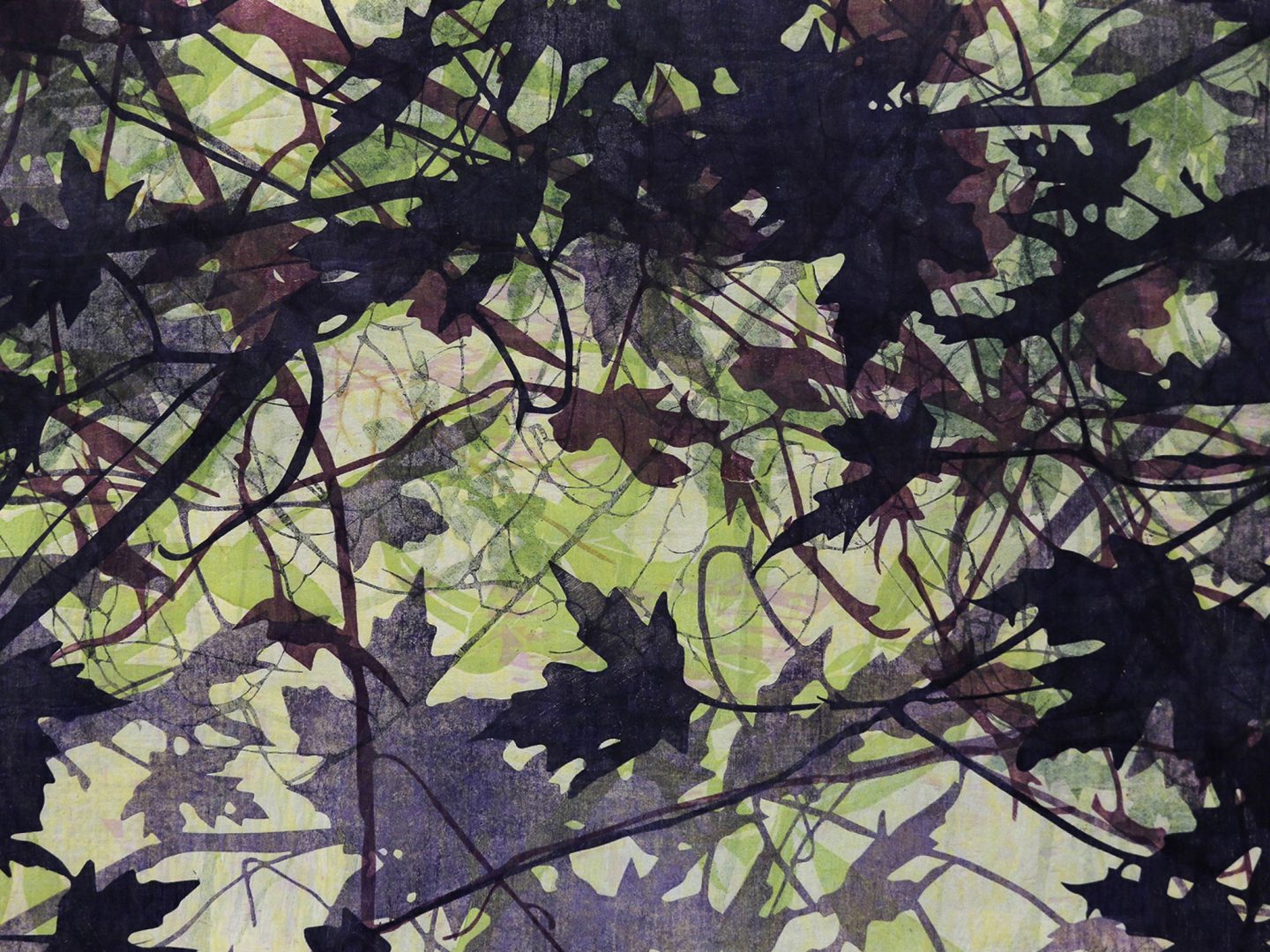
This rigorous, engaging, printmaking workshop explores color monoprint and woodcut processes using hand and laser-cut stencils and blocks to create one-of-a-kind and editioned prints. We begin with observational studies from the natural world and explore monotype with stencils and multiple plates. We then use the laser cutter to cut woodblocks and combine these puzzle block prints with hand carved marks, alternating between structure and improvisation. This back-and-forth serves as the format for the course as we combine multiple matrices in many ways.
-
III
Level III
Students have formal training in critical issues of 2-D art making, experience with public critiques and a solid portfolio of their artwork.
-
IV
Level IV
Students have advanced skill and knowledge of painting and drawing. Students are highly motivated and self-directed, have a minimum of five years experience in their field and have multiple portfolios of their artwork. Portfolio review is required for admittance to some Level IV classes.
Jul 13 - 17, 2026
July 13, 15, and 17, 9AM-12PM
Beyond Judgement: The Work of Critique
Paula Crown, Liz Ferrill
Tuition $150
Code D0734-26
In Against Interpretation, Susan Sontag writes, "What is important now is to recover our senses. We must learn to See more, to Hear more, to Feel more." This community focused, discussion and critique-based workshop encourages artists to investigate their artistic intentions within a supportive environment of critical thinking, looking, and responding. As a cohort of artists who are active participants in the act of observation and interpretation, the intention is to expand one's understanding of how to speak about the work of our peers without judgment or categorization. Though this is not a traditional critique class, we focus on building skills in how to guide a studio visit with questions, avoiding art world sound bytes but rather spotlighting authentic and unique feedback. This workshop is for serious artists who are searching for community, dialogue, and honesty within a cohort. Participants are encouraged to bring physical work as well as digital images to share and discuss, with emphasis on awareness and being present among the group.
-
II
Level II
Students have a basic understanding of forming techniques, such as throwing and hand building. Students have taken one or two ceramics classes or workshops.
-
III
Level III
Students have significant experience with clay forming techniques, such as throwing, hand building and modeling. Students are comfortable with ceramics equipment, such as wheels, extruders and slab rollers. Students are self-starting with some formal training and have taken a minimum of three classes or workshops.
-
IV
Level IV
Students have advanced skills and knowledge of the ceramics field. Students are highly motivated, have a minimum of five years experience in the field and have a portfolio of their artwork. Typical students are academics and professional artists.
Jul 20 - 31, 2026
9 AM - 5 PM
Parallel Play: Mixed Media and Clay
Matt Mitros
Tuition $1,795
Code C0809-26
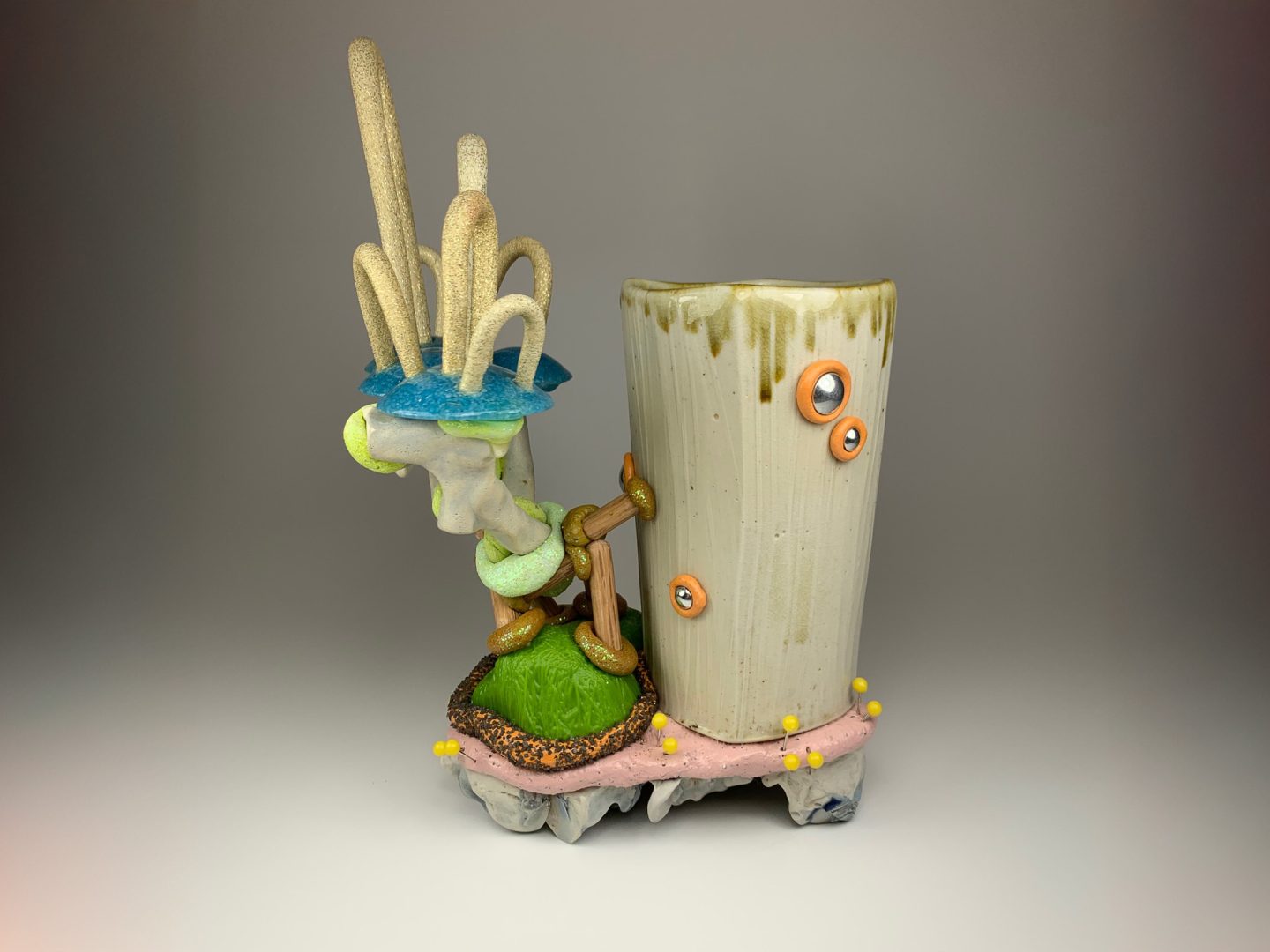
This hybrid, two-part class explores the handbuilding methods an artist can use to compose dynamic sculptural and installation compositions with clay and mixed-media resources. Week one is spent in the ceramic studio exploring ways to build small objects and components for larger work, with emphasis on conceptual ideas and non-traditional methods of fabrication. Week two shifts to the sculpture studio to explore additional form-building methods using urethane and epoxy resins, sculptural adhesive putties, paint, pigments, and found objects. Students will have access to plastic printers to generate objects for finished assembly or for plaster mold making at a later date.