


Painting & Drawing
Code: D0103-26
-
O
Open to All
Students of any skill and knowledge level.
Acrylic: Color, Geometry and Abstraction
Jun 1 - 5, 2026
9 AM - 5 PM
Tuition: $1,295.00
Course Fee: $270.00
Registration Fee: $45.00
Concept
Students learn to make imagery pop in this dynamic painting workshop open to all skill levels. Participants are challenged to dive into acrylic on panel while embarking on an abstract approach to image making. We explore color theory, patterning methods, and how to use masking tape to create clean, sharp lines and angles. We investigate abstraction and find personal ways to create shape, consider composition, and develop a sense of space. Emphasis is placed on hard/soft edge painting techniques and layering processes. Students are encouraged to let their creativity flow, while expanding their artistic techniques in this versatile and accessible painting medium.
Media & Techniques
Color theory, pattern, masking tape methods, hard/soft edge painting techniques, layering methods, wood panel, acrylic paint
Faculty
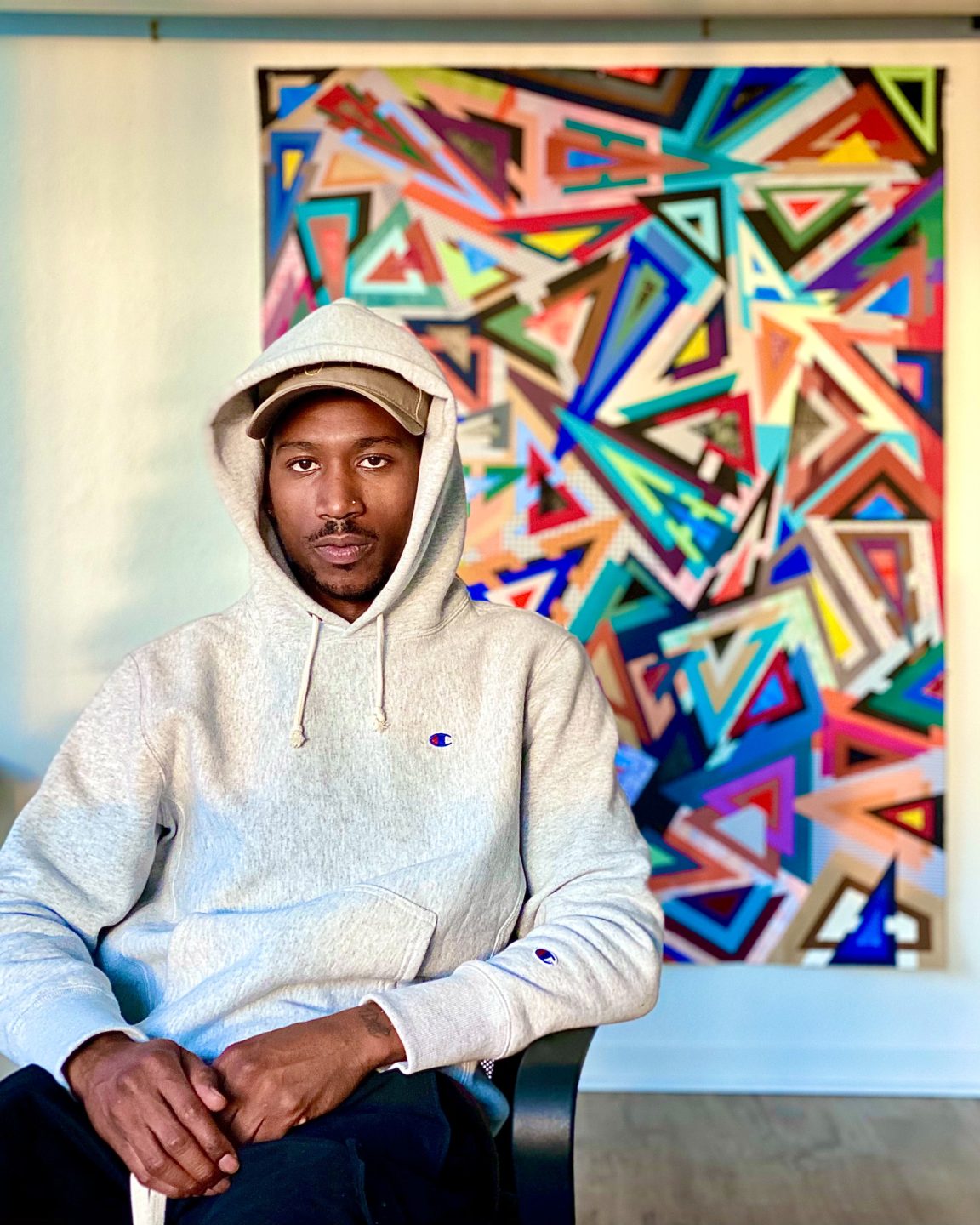
Rob Hill
Rob Hill is a geometric abstract painter from Los Angeles, CA. He holds an MFA from Pratt Institute. His work has been featured in Vogue, The New York Times, Art Basel, HBO, FOX, and HGTV. His admiration for geometric shapes is linked to Egyptian design and mid-century abstraction, resulting in a bold, structured aesthetic that feels both timeless and contemporary.
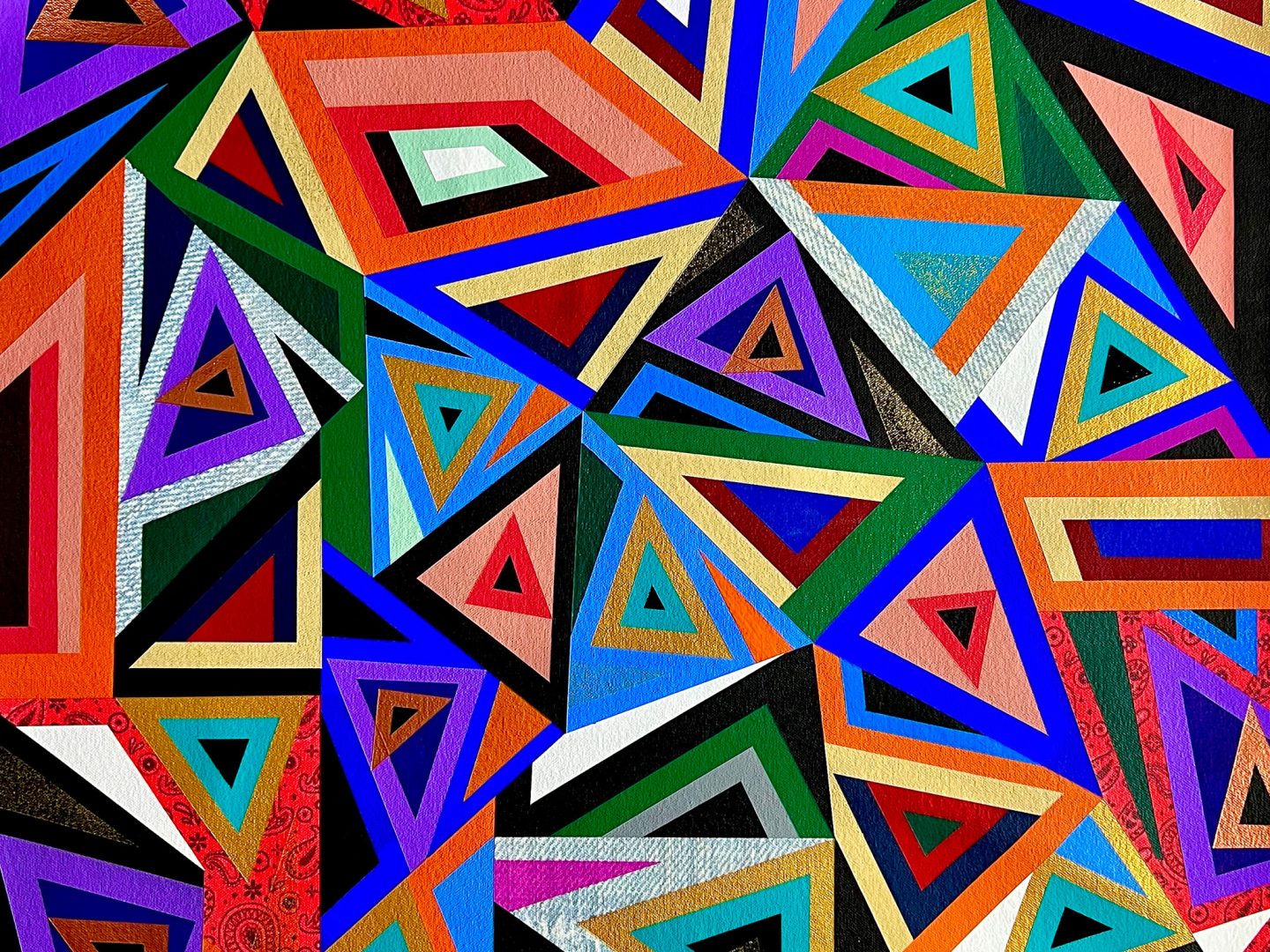
Rob Hill, There's Always an Angle
Tuition: $1,295.00
Course Fee: $270.00
Registration Fee: $45.00
Workshop Details
Workshop Supplies
For general information about studio access, shipping, and more, please visit our info page.
If you have any questions regarding your supplies for your workshop, please contact Lindsey Yeager, [email protected].
Provided by Anderson Ranch
Equipment
- Butcher paper
- Containers
- Cordless drills
- Cutting mats
- Drawing boards
- Easels
- Gamsol (OMS)
- Gloves
- Glues
- Hand tools: hammers, screwdrivers, pliers, clamps
- Laser printer
- Palette knives
- Palette-topped utility carts
- Presentation projector
- Push pins
- Rags
- Rulers
- Scanner
- Scissors
- Spray bottles
- Staple guns
- Stools
- Tape
- Work tables
Supplies
- Frog tape
- Small wood panels
- Matte medium
- Assorted containers
- Sandpaper
- Rulers
- Paper towels
- Assorted glitter
- Sea sponges
What you need to bring
Required Tools and Supplies
- Prohibited supplies: power tools, torches, spray paint, encaustic, turpentine, resin, plastisol, any solvent that isn’t low VOC
- Pencil**
- Acrylic paint of your choice**
- Assorted brushes of your choice**
Optional Tools and Supplies
- White (or light colored) t-shirt for screen printing**
- Additional small wood panels**
* Available for purchase in the studio.
** Available to purchase at the Anderson Ranch ArtWorks Store for 10% off. The store aims to stock comparable items, though specific products from the supply list may vary based on inventory.
Learn more about shipping supplies and artwork to and from the Ranch in the Student Handbook.
Lodging & Meals
Housing is limited and includes shared and private lodging options. Reservations will be managed on a first-come, first-served basis. The earlier you reserve housing, the better your chance of receiving your preferred option. Please note: Workshop costs do not include accommodations.
NEW: Course fees includes a welcome dinner and lunches. In our effort to foster a stronger sense of community and accessibility at Anderson Ranch, we include the welcome dinner and all lunches as part of course fees for summer workshop students. Our hope is that this adjustment will encourage all students to come together to share meals and engage in meaningful conversations. The Ranch Café Meal Plan, which is included with Room and Board fees, strives to provide healthy, creative meals that will nourish your artistic creativity. Learn more.
We have established a Business Safety Plan with added layers of precaution that prioritize the health and safety of our staff, students, faculty and guests while continuing to provide you with the Anderson Ranch experience that you know and enjoy.
Painting & Drawing
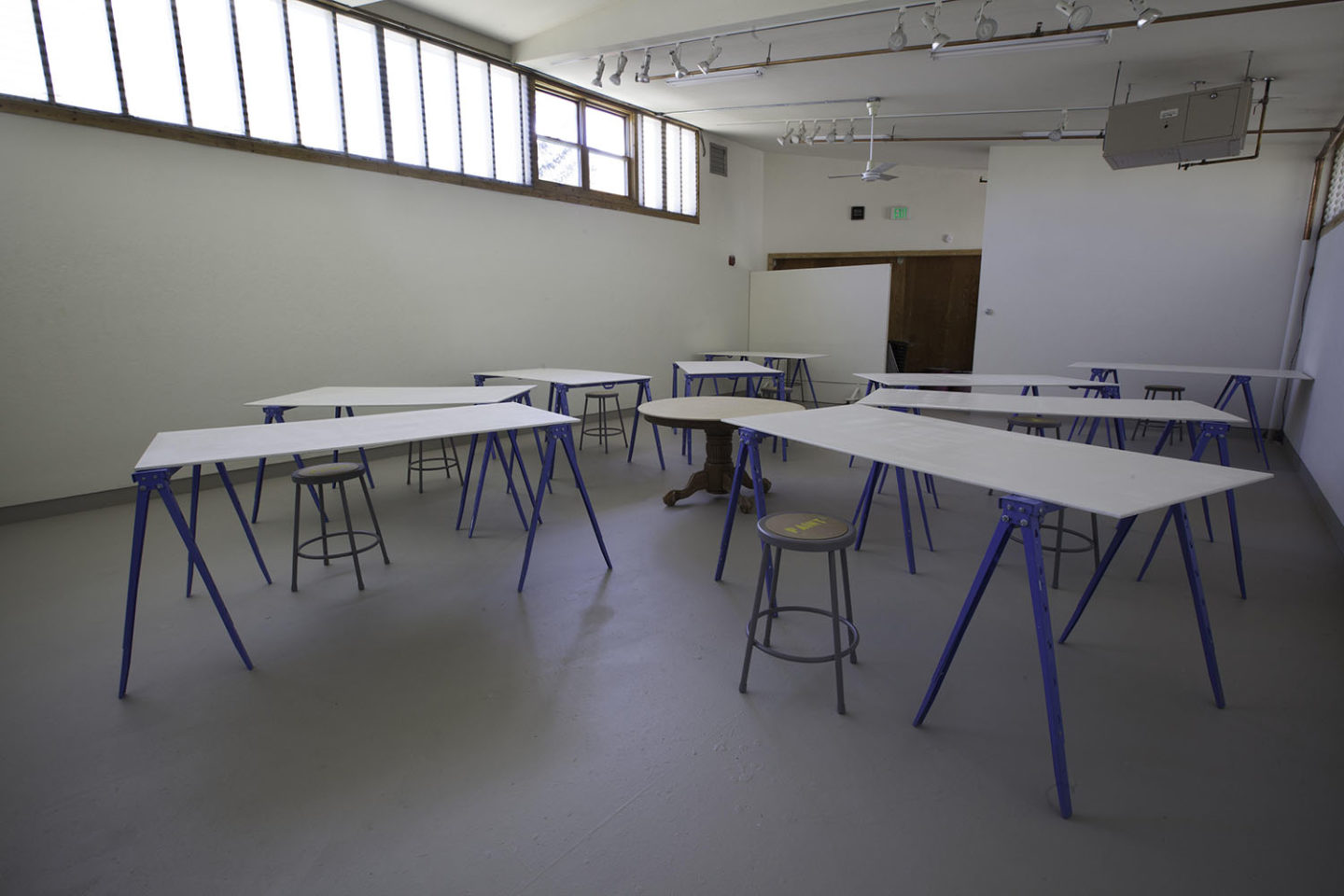


Make, reflect, consider, engage—these are all critical elements of the Painting and Drawing workshops at Anderson Ranch. Our exceptional workshops combine focused, hands-on art making with critical feedback for artists of all levels. Painting and Drawing guest faculty are phenomenal artists and educators with experience supporting students by offering technical knowledge and encouragement.
The bright, natural light of the Wyly Painting and Drawing Building provides an inspiring environment where students can explore and expand their artistic practice. Our facilities are equipped with individual worktables, wall space, easels, rolling palettes, odorless solvents, a wide range of hand tools, computer access with Adobe software, wifi, printing, scanning, and projection capabilities. Spend a week here— or several—and engage in a variety of activities that will fuel your practice throughout the year.
Don’t know where to start? View the skill levels for Painting and Drawing workshops.
Anderson Ranch Arts Center is a historic, rustic campus that features gravel pathways and uneven terrain that may pose challenges for individuals using wheelchairs or other mobility devices. We strive to provide accommodations to ensure all guests can access and enjoy our programs and facilities. With advance notice, our staff can offer personalized assistance and coordinate access to studios and campus spaces. For questions or to request an accommodation, please contact us at (970) 923-3181 or [email protected].
Scholarships, College Credit & Discounts
Making Art Accessible
Applications for scholarship support are encouraged. Specific scholarships are funded by Ranch supporters, either through endowed funds or special gifts.
Many colleges and universities offer college credit for workshops taken at Anderson Ranch. Discounts are available for students and teachers.
You Might Also Be Interested In
-
II
Level II
Students have basic knowledge of 2-D art making including form, negative space, value and line.
Jun 1 - 5, 2026
9 AM - 5 PM
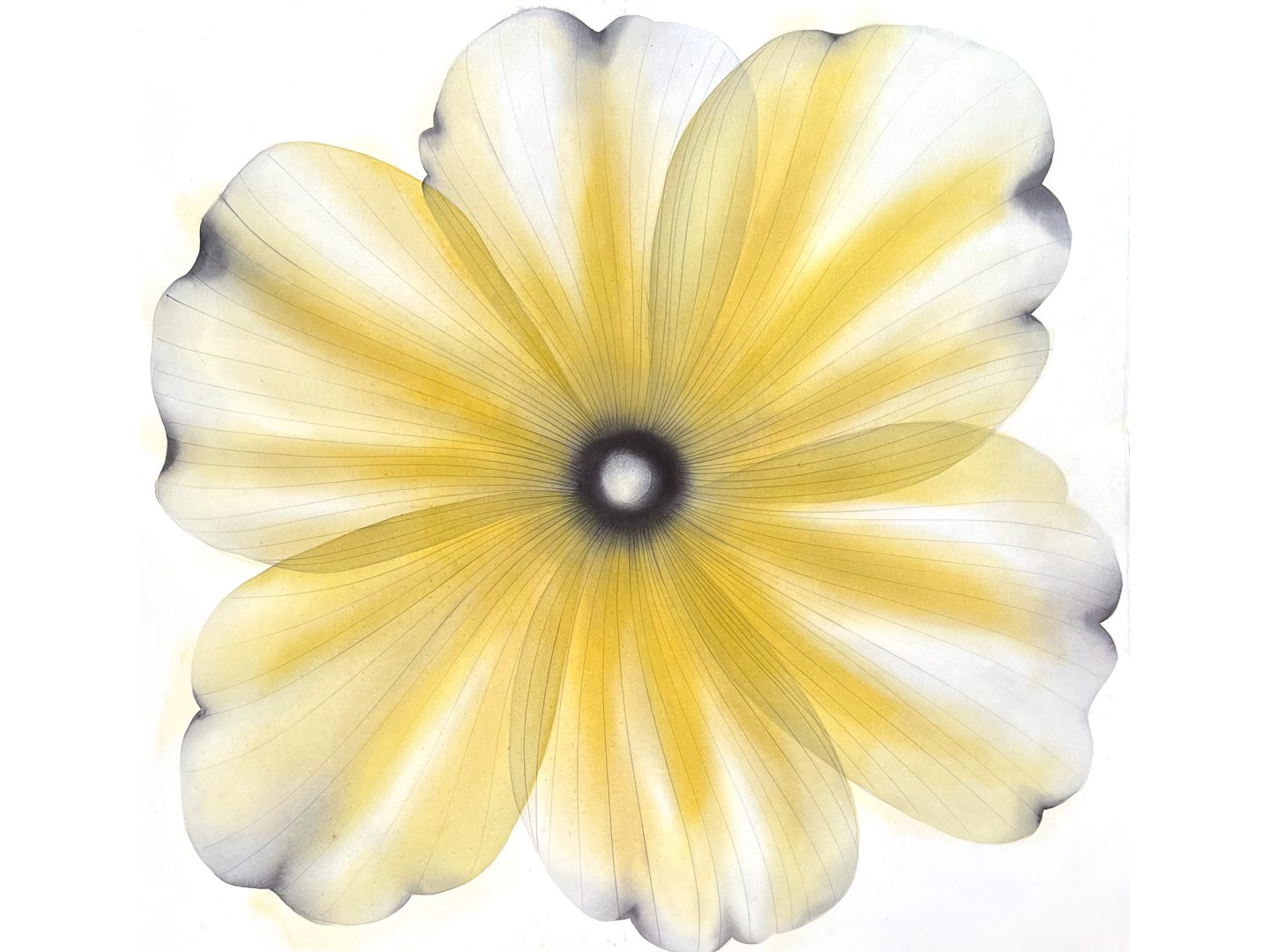
Watercolor: Abstract Flora
Jan Heaton
Tuition $1,350
Code D0101-26
Observe flowers with an exciting new perspective using abstraction interpreted in watercolor. In this class, participants capture not only what they see using watercolor, but also personal responses as they paint form, line, shape, and work in color. One day of the workshop is spent on color theory and mixing. Daily demonstrations, one-on-one instruction, and sharing painted work provide the foundation for a dynamic exploration of this nuanced medium.
-
O
Open to All
Students of any skill and knowledge level.
Jun 1 - 5, 2026
9 AM - 5 PM
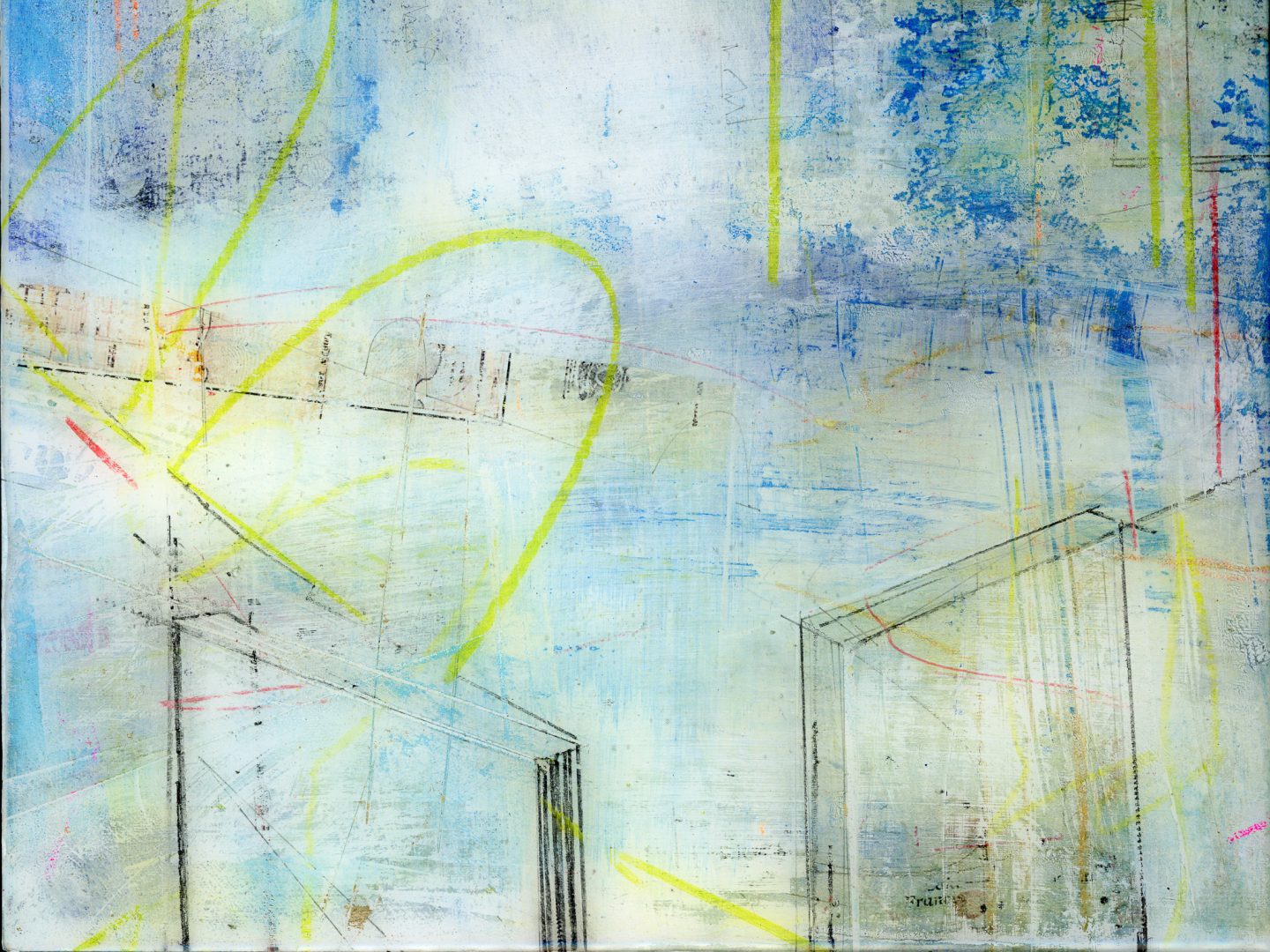
Photographic Collage: An Exploration of Photography and Painting
Kate Leonard
Tuition $1,200
Code P0103-26
Join an engaging exploration of the synthesis between two distinct art forms: photography and painting. Students discover transfer techniques that integrate photographic images and text directly onto painted surfaces, resulting in intriguingly layered works. Participants explore traditional collage and photomontage, and master new methods that allow for opaque and translucent layers. Reductive methods, such as sanding and scraping, reveal the history of earlier photographic layers and suggest an archaeological approach to image development. The workshop emphasizes experimentation and exploratory approaches. Students produce a portfolio of physical examples of all techniques.
-
I
Level I
Students have very limited experience or none at all. Classes usually start with a full day of basic instruction.
Jun 1 - 5, 2026
9 AM - 5 PM
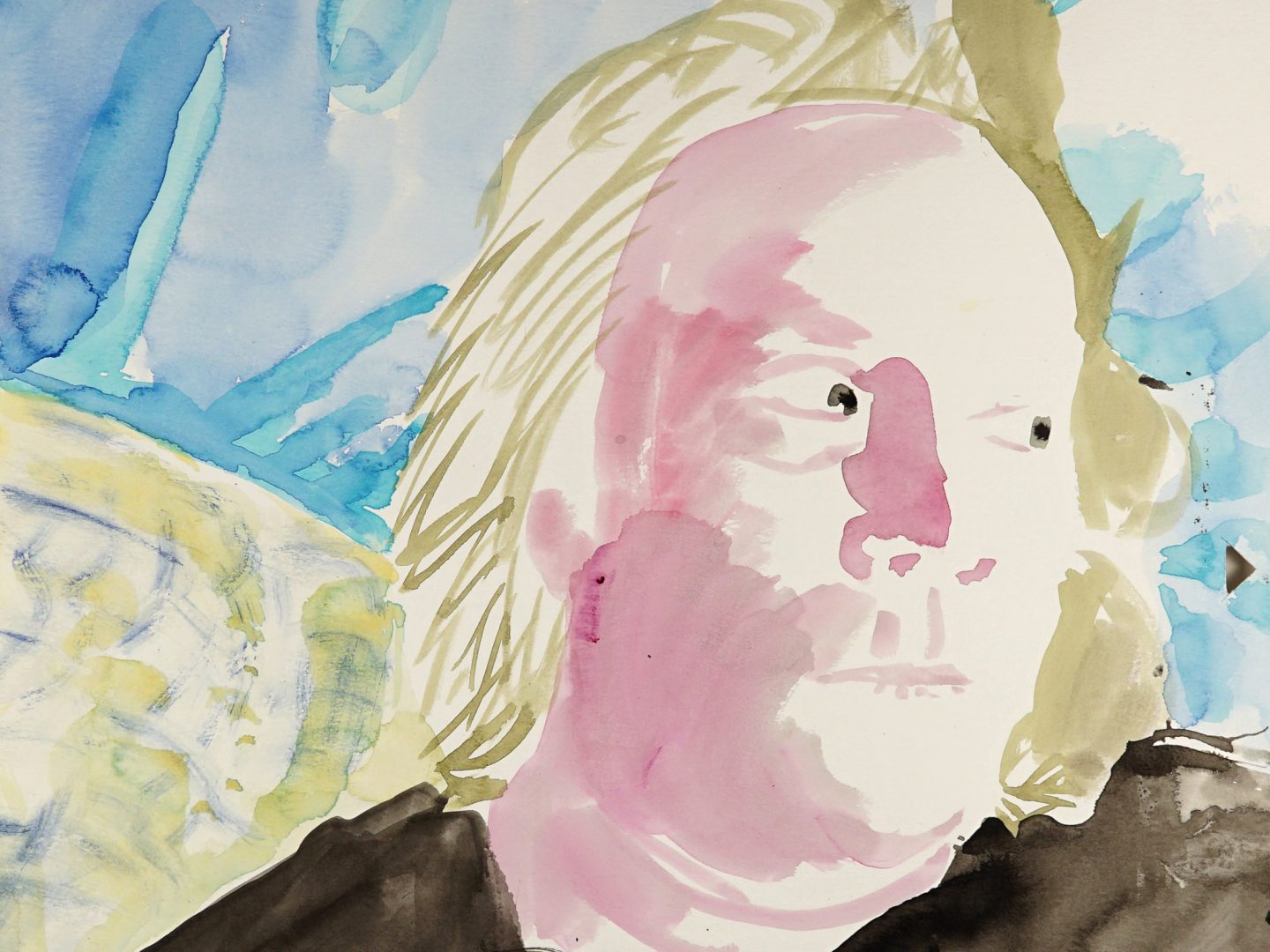
Painting for Beginners: Observation, Color and Vision
Paul Collins
Tuition $1,295
Code D0102-26
In this acrylic painting workshop for beginners, students use observation to develop skills in color mixing, composition, and brushwork by embarking on a new painting each day, culminating in a significant independent work. Beginning with studies in black and white, this course utilizes individual instruction, group discussion, and extensive demonstrations to give students confidence in color mixing to create chromatic strength, tackle complex color relationships, and reveal individual voice. Students work from still life and landscape with an emphasis on tonal structure and color theory, and progress quickly to create fully realized independent works.