


Sculpture
Code: S0304-23
-
I
Level I
Students are new to sculpture and have no formal training.
-
II
Level II
Students have a basic knowledge of 3-D art making and sculpture concepts and are comfortable using a variety of hand and power tools. Students have taken one or two sculpture classes or workshops.
Building with Clay and Steel
Jun 19 - 30, 2023
9AM-5PM
Concept
Students investigate new materials and approaches to building sculpture in this two-week exploratory workshop, discovering innovative ways to combine different materials to create dynamic mixed-media sculptures. We experiment with adding materials such as clay, steel, and found objects to work with, exploring their potential to add layers of formal information and intensified content. This rigorous studio environment gives students access to a variety of new materials and fresh ways of approaching studio practice. The workshop is open to students working in any media who wish to learn new skills and approaches. The first week takes place in the ceramics studio and week two is in the sculpture studio.
Media & Techniques
Cutting, forming, and welding steel, coil, slab, solid construction, hand building, surface treatments
Supply ListFaculty

Trey Hill
Trey Hill is a professional sculptor and associate professor at the University of Montana where he teaches both ceramics and sculpture. He received his BFA from Bowling Green State University and his MFA from San Jose State University. His work has been shown in galleries and museums nationally and internationally. Trey has gained extensive travel and creative experiences through his many artist residencies.
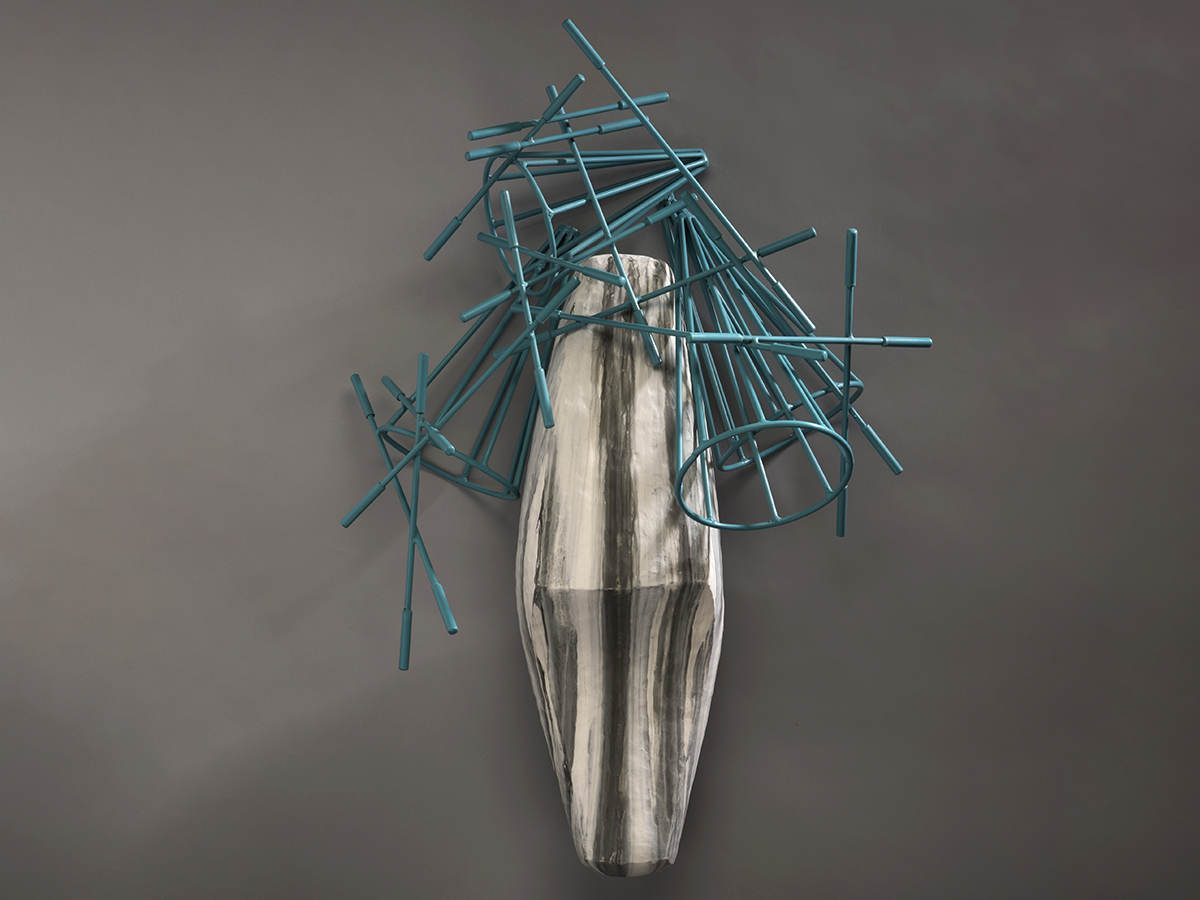
Trey Hill, Nomad
Workshop Details
Workshop Supplies
For general information about studio access, shipping, and more, please visit our info page.
If you have any questions regarding your supplies for your workshop, please contact William Lanzillo, [email protected].
Lodging & Meals
Housing is limited and includes shared and private lodging options. Reservations will be managed on a first-come, first-served basis. The earlier you reserve housing, the better your chance of receiving your preferred option. Please note: Workshop costs do not include accommodations.
NEW: Course fees includes a welcome dinner and lunches. In our effort to foster a stronger sense of community and accessibility at Anderson Ranch, we include the welcome dinner and all lunches as part of course fees for summer workshop students. Our hope is that this adjustment will encourage all students to come together to share meals and engage in meaningful conversations. The Ranch Café Meal Plan, which is included with Room and Board fees, strives to provide healthy, creative meals that will nourish your artistic creativity. Learn more.
We have established a Business Safety Plan with added layers of precaution that prioritize the health and safety of our staff, students, faculty and guests while continuing to provide you with the Anderson Ranch experience that you know and enjoy.
Sculpture


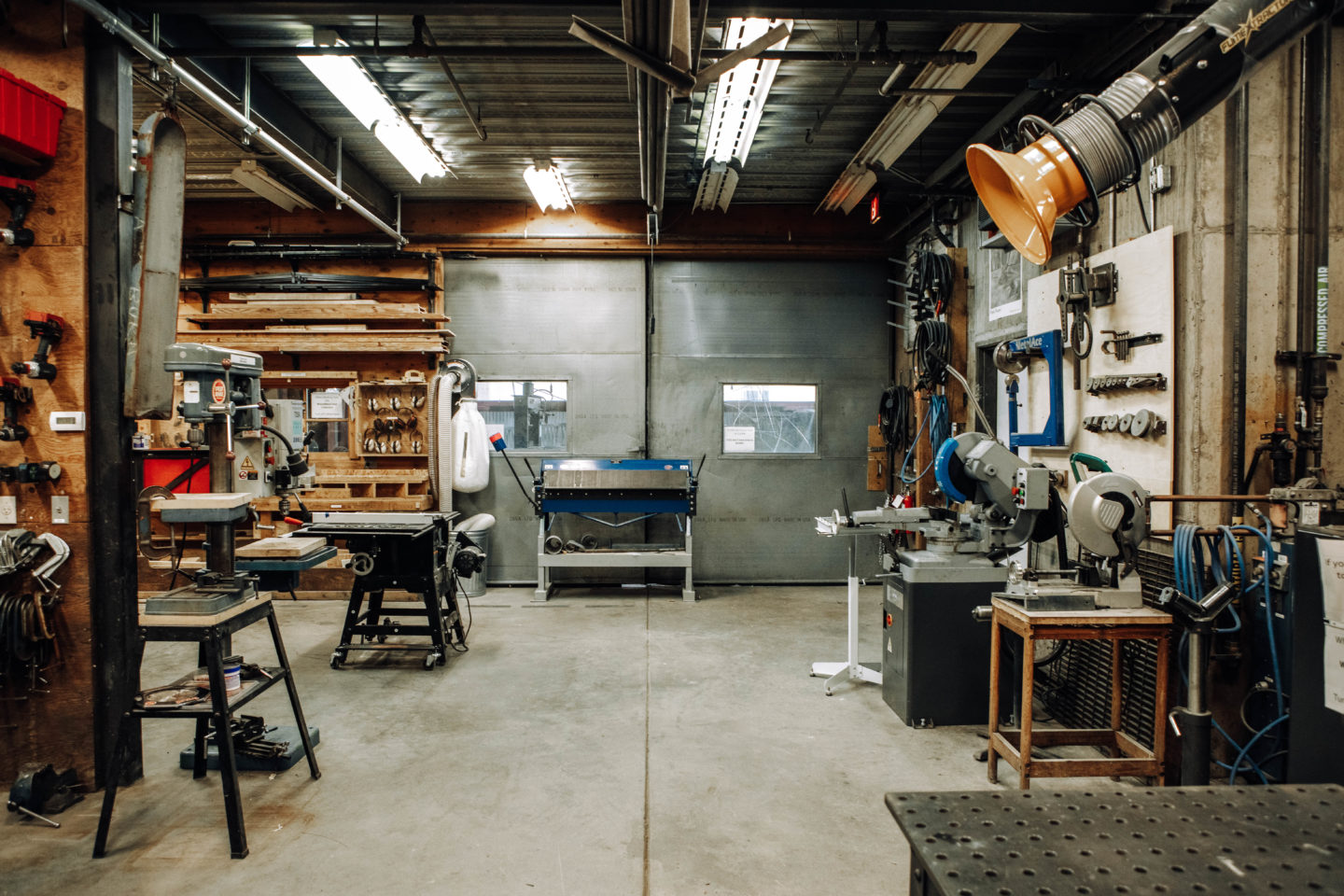
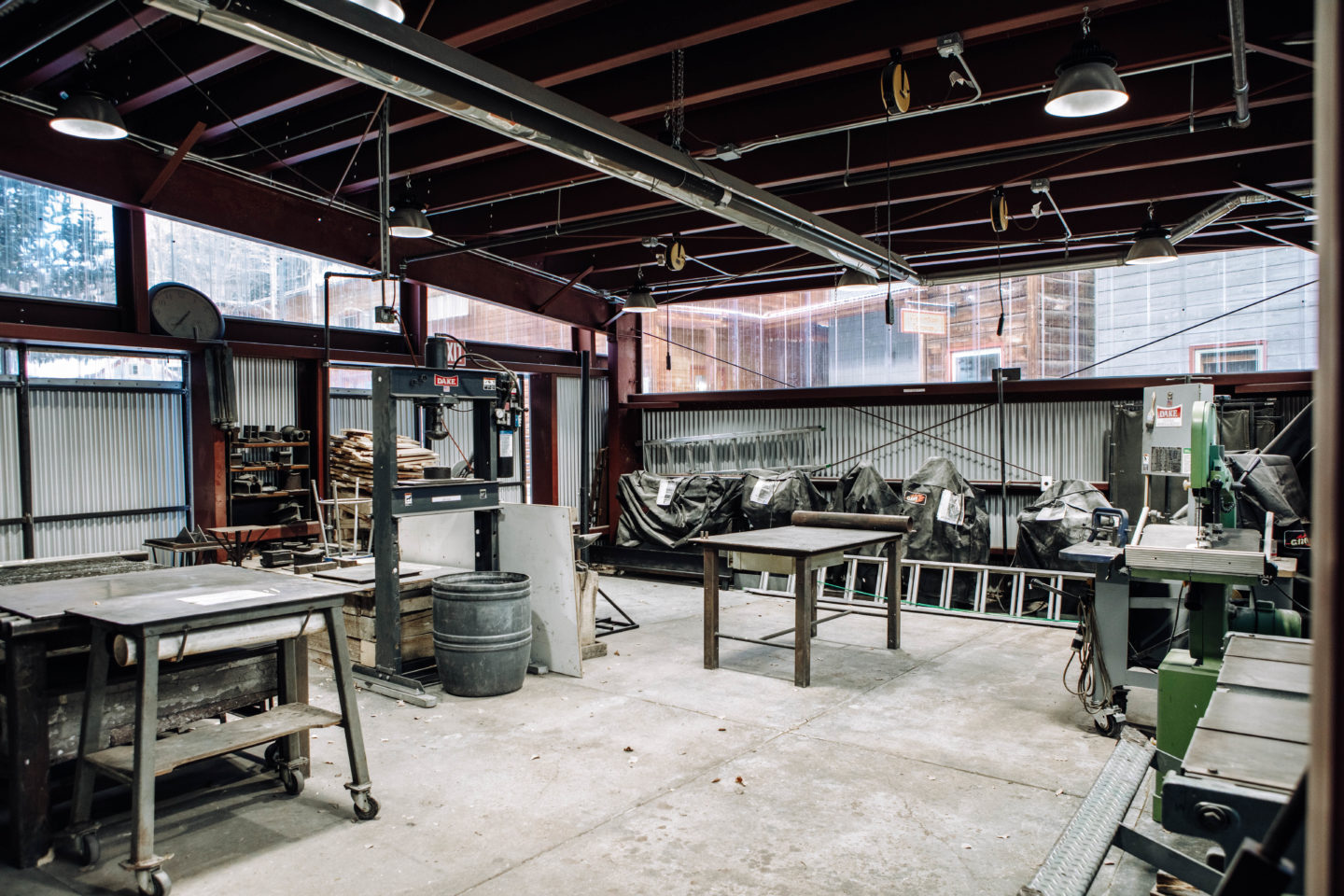
Sculpture Studio in Aspen / Snowmass
The Sculpture Studio at Anderson Ranch Arts Center, located in Snowmass Village near Aspen, Colorado, is a purpose-built professional sculpture facility designed to support large-scale fabrication, material experimentation, and immersive studio practice. The space accommodates a wide range of processes, including carving, welding, casting, kinetic systems, and mixed-media construction.
With indoor and outdoor work areas, specialized tools, and technical infrastructure for both traditional and contemporary approaches, the Sculpture Studio provides artists the freedom to work across scale and material with structural support and professional-grade equipment.
Interested in enrolling? Explore the full schedule of Sculpture workshops at Anderson Ranch.
Express your creativity and vision by exploring the limitless art of sculpture. At Anderson Ranch, our sculpture program offers a vibrant spectrum of workshops that reflect a variety of studio practices. At the confluence of tradition and technology, these programs are material and technique-rich, ranging from classical metal fabrication to experimental digital production.
Students work in communal and interactive studios designed for all levels of experience, supporting traditional and nontraditional methods. The sculpture studios are fully equipped with advanced machinery and offer additional outdoor covered workspace.
Our renowned sculpture faculty work closely with students through critical discussions, material demonstrations and individual assistance. Instructors encourage exploration and experimentation, emphasizing process and idea development. We complement this with a focus on process and sound construction. You leave with far more than finished pieces—you walk away with the tools and inspiration required to elevate your studio practice.
Don’t know where to start? View the skill levels for sculpture workshops.
Anderson Ranch Arts Center is a historic, rustic campus that features gravel pathways and uneven terrain that may pose challenges for individuals using wheelchairs or other mobility devices. We strive to provide accommodations to ensure all guests can access and enjoy our programs and facilities. With advance notice, our staff can offer personalized assistance and coordinate access to studios and campus spaces. For questions or to request an accommodation, please contact us at (970) 923-3181 or [email protected].
Scholarships, College Credit & Discounts
Making Art Accessible
Applications for scholarship support are encouraged. Specific scholarships are funded by Ranch supporters, either through endowed funds or special gifts.
Many colleges and universities offer college credit for workshops taken at Anderson Ranch. Discounts are available for students and teachers.
You Might Also Be Interested In
-
III
Level III
Students have experience with a variety of materials and fabrication techniques and know how to use hand and power tools competently and safely. Students are self-starting with some formal training in critical aspects of sculpture and have a portfolio of artwork. Students have taken a minimum of three classes or workshops.
-
IV
Level IV
Students have advanced skills and knowledge of sculpture. Students are highly motivated, have a minimum of five years experience in the field and have multiple portfolios of their artwork. Typical students are academics and professional artists.
Jun 1 - 12, 2026
9 AM - 5 PM
Building with Clay and Steel
Trey Hill
Tuition $2,250
Code S0102-26
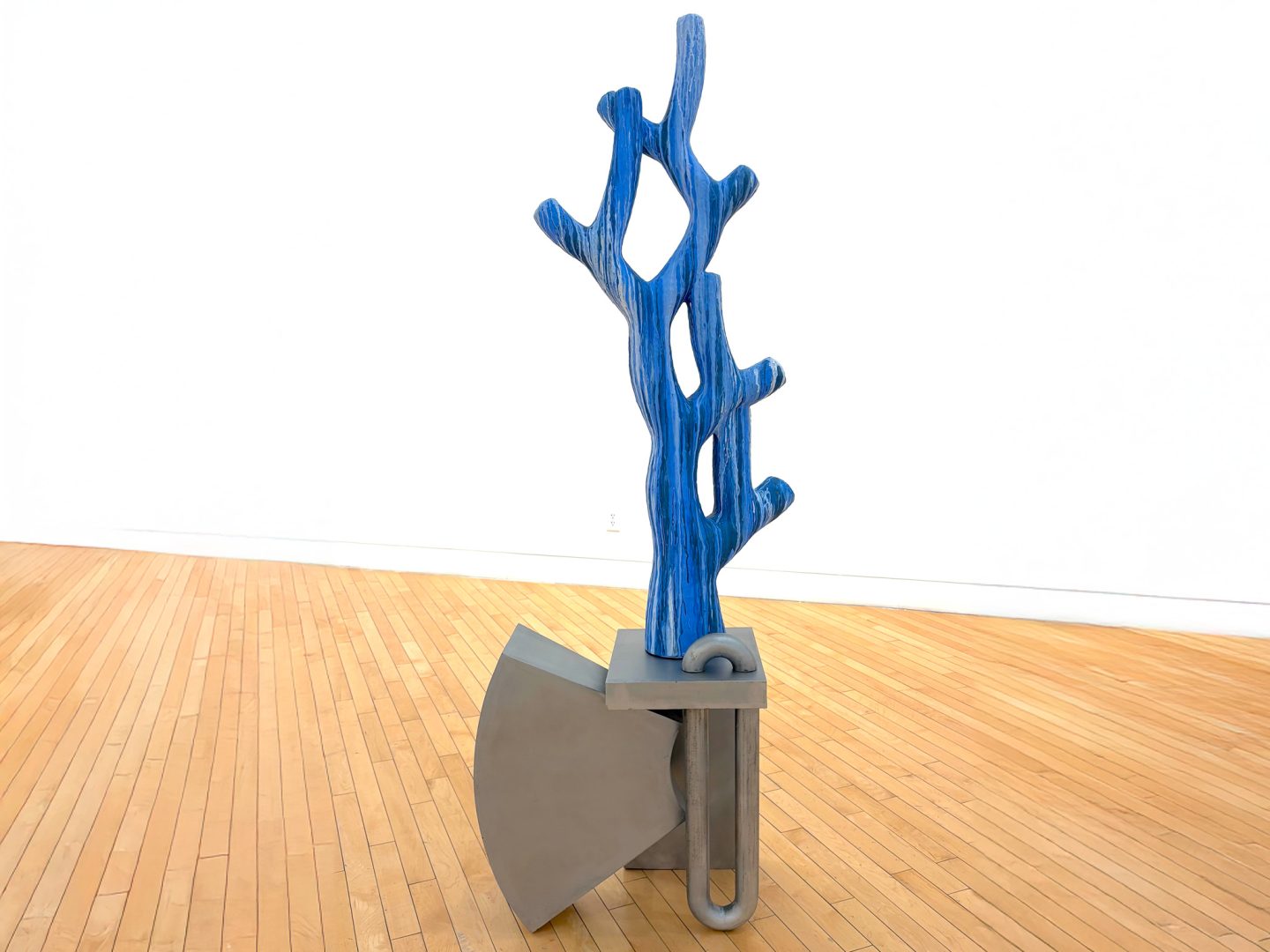
Investigate new materials and approaches to building sculpture in this two-week exploratory workshop. Students discover innovative ways to combine different materials, creating dynamic mixed-media sculptures. This workshop experiments with adding different materials to students’ work — such as clay, steel, and found objects — while considering how each adds formal information and intensified content. A rigorous studio environment gives access to a variety of new materials and fresh ways of approaching students’ studio practice. The workshop is open to students working in any media who are looking to try something different and add new skills to their toolbox.
-
I
Level I
Students are new to sculpture and have no formal training.
-
II
Level II
Students have a basic knowledge of 3-D art making and sculpture concepts and are comfortable using a variety of hand and power tools. Students have taken one or two sculpture classes or workshops.
Jun 1 - 5, 2026
9 AM - 5 PM
Opposites Attract: Combining Steel and Soft Materials
Carl Reed
Tuition $1,300
Code S0101-26
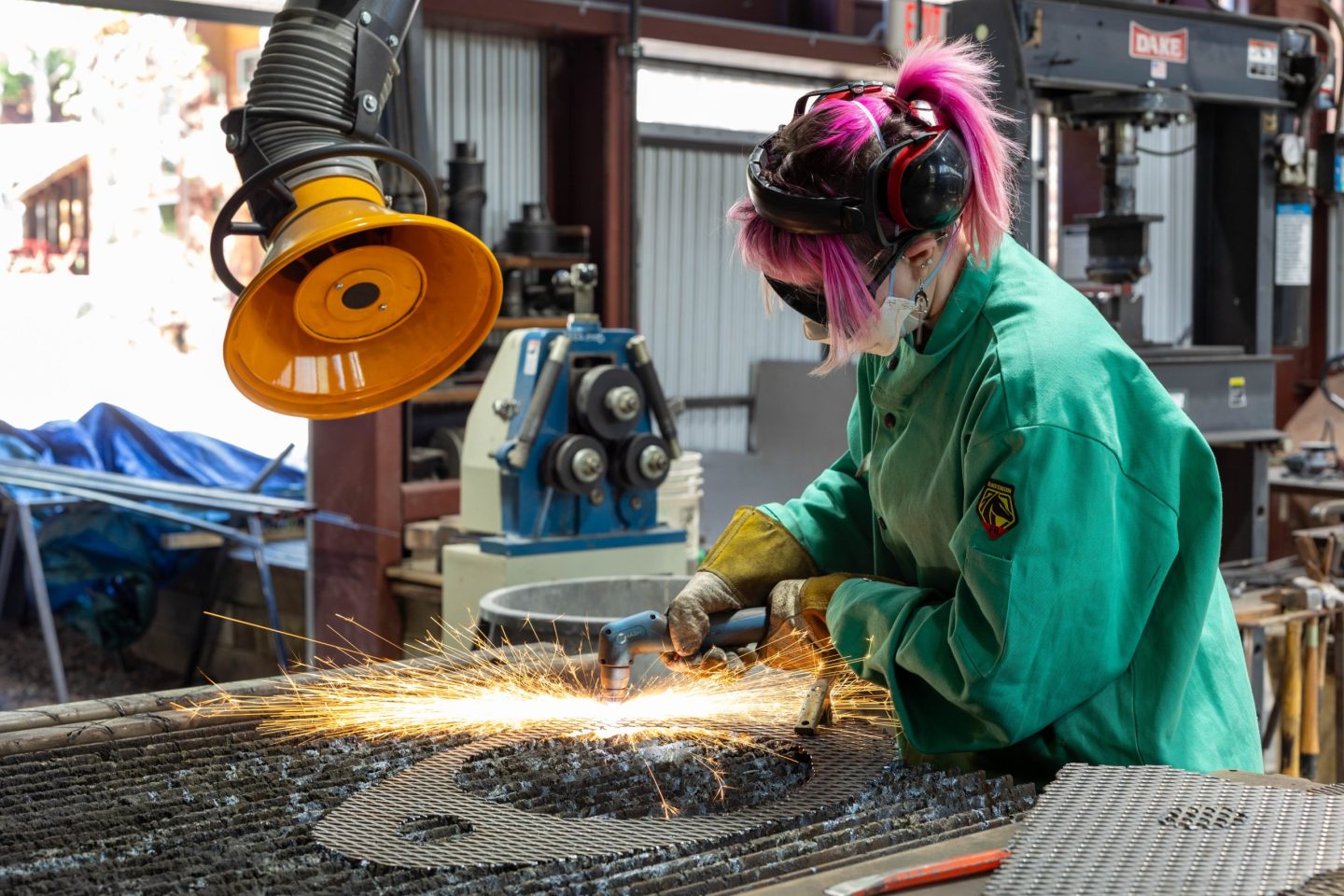
Throughout art history, steel has been associated with industry, strength, and even violence. This workshop challenges those associations by exploring ways to make steel appear visually delicate, and by creating new meanings through its combination with materials of contrasting characteristics. Participants engage in exercises that address both technical and creative questions, including how steel is cut, shaped, and joined, as well as how to rethink its role in a composition—treating steel as a secondary, supporting element rather than the primary focus. Through experimentation, students learn to challenge material assumptions and expand the expressive potential of steel in contemporary sculpture. We explore the aesthetic and technical consequences of combining steel with soft, vulnerable, contradictory, and unexpected materials.
-
O
Open to All
Students of any skill and knowledge level.
Jun 15 - 19, 2026
9 AM - 5 PM
Sculptural Paper Casting and Forming
Leah Aegerter
Tuition $1,250
Code S0303-26
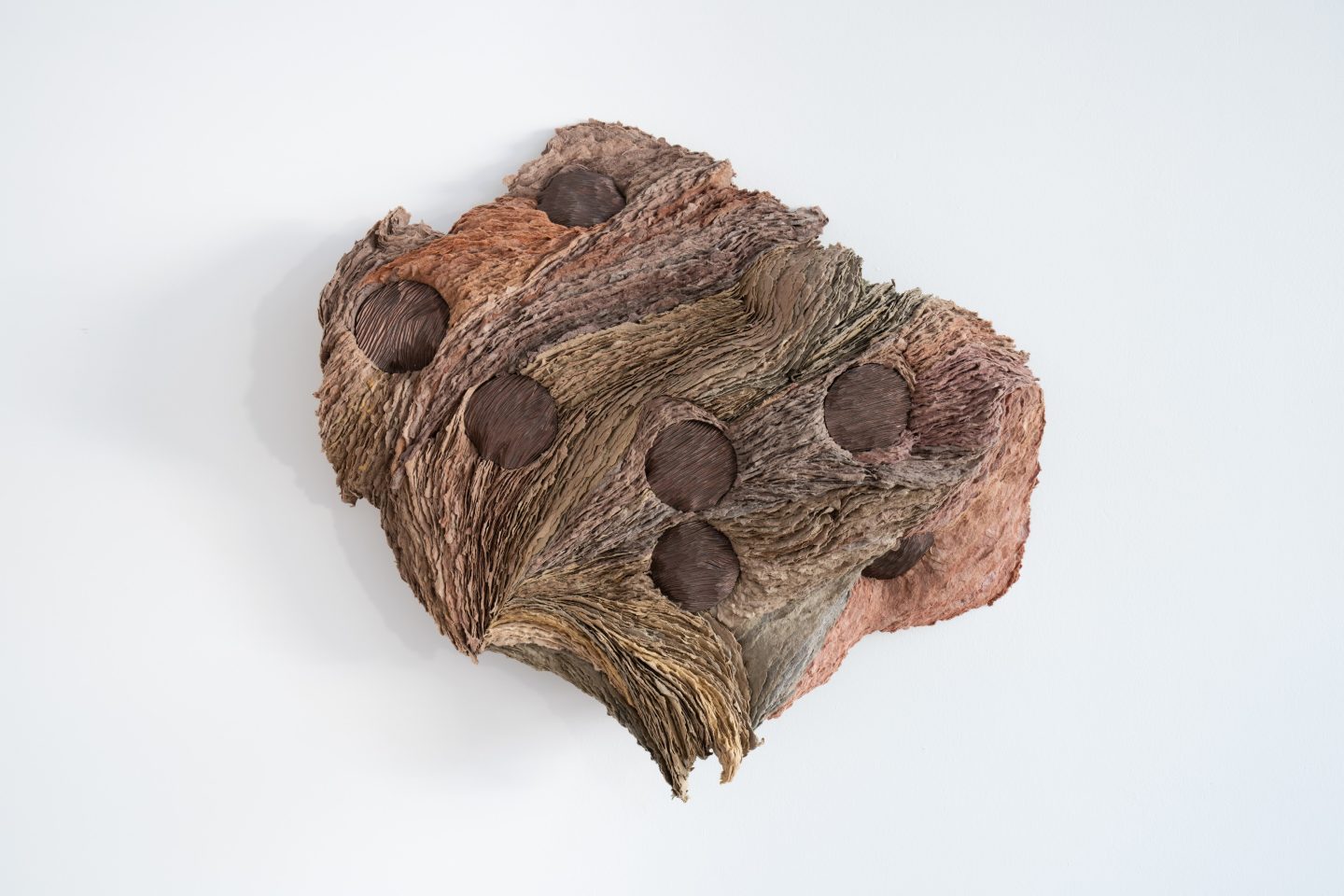
In this foundational paper-making workshop, students transform pulp into one-of-a-kind cast-paper sculptures. Beginning with dry abaca pulp, participants learn to reconstitute, beat, dye, and cast sheets using a traditional mold and deckle. Abaca paper, with its long fibers and impressive wet strength, is ideal for sculptural manipulation. Students mold wet sheets onto objects brought from home, found in the studio, or discovered in the environment. Sewing and gluing techniques are used to combine dried paper forms into cohesive sculptural creations. By the end of the week, students gain a versatile set of paper-making and sculptural skills that can be adapted to any studio environment.