


Ceramics
Code: C1111-21
-
O
Open to All
Students of any skill and knowledge level, but have some computer skills.
Composing Clay and Mixed Media Sculptures with Digital Tools
Aug 16 - 20, 2021
9AM-5PM
Concept
This course is aimed at those who are familiar with the various workings inside a fabrication lab, but need help figuring out how to turn the digital into the physical. This workshop explores the many ways an artist can compose dynamic sculptural and installation compositions using advanced digital clay fabrication techniques and mixed-media resources. Emphasis is placed on conceptual ideas and non-traditional methods of fabrication. Students are encouraged to bring as many digital files and pre-fired pieces/parts as possible so that considerable time can be dedicated to new ways of composing objects in class. Students will use both clay and plastic printers to generate objects for finished assembly or for mold-making.
Media & Techniques
Rhinoceros 3D, PotterDraw, terra cotta, porcelain, 3D ceramic printer, bisqueware, mold making, FDM 3D printer, epoxy pigmented adhesives, mixed media
Supply ListFaculty

Matthew Mitros
Matthew has been an Artist In Residence at Arrowmont, the Archie Bray Foundation and Red Lodge Clay Center, and holds an MFA from the University of Washington. Matthew’s work has been featured in Art in America, Art LTD, Clay Times, Ceramics Monthly and Maake Magazine. In 2013 he was selected as an Emerging Artist by Ceramics Monthly.

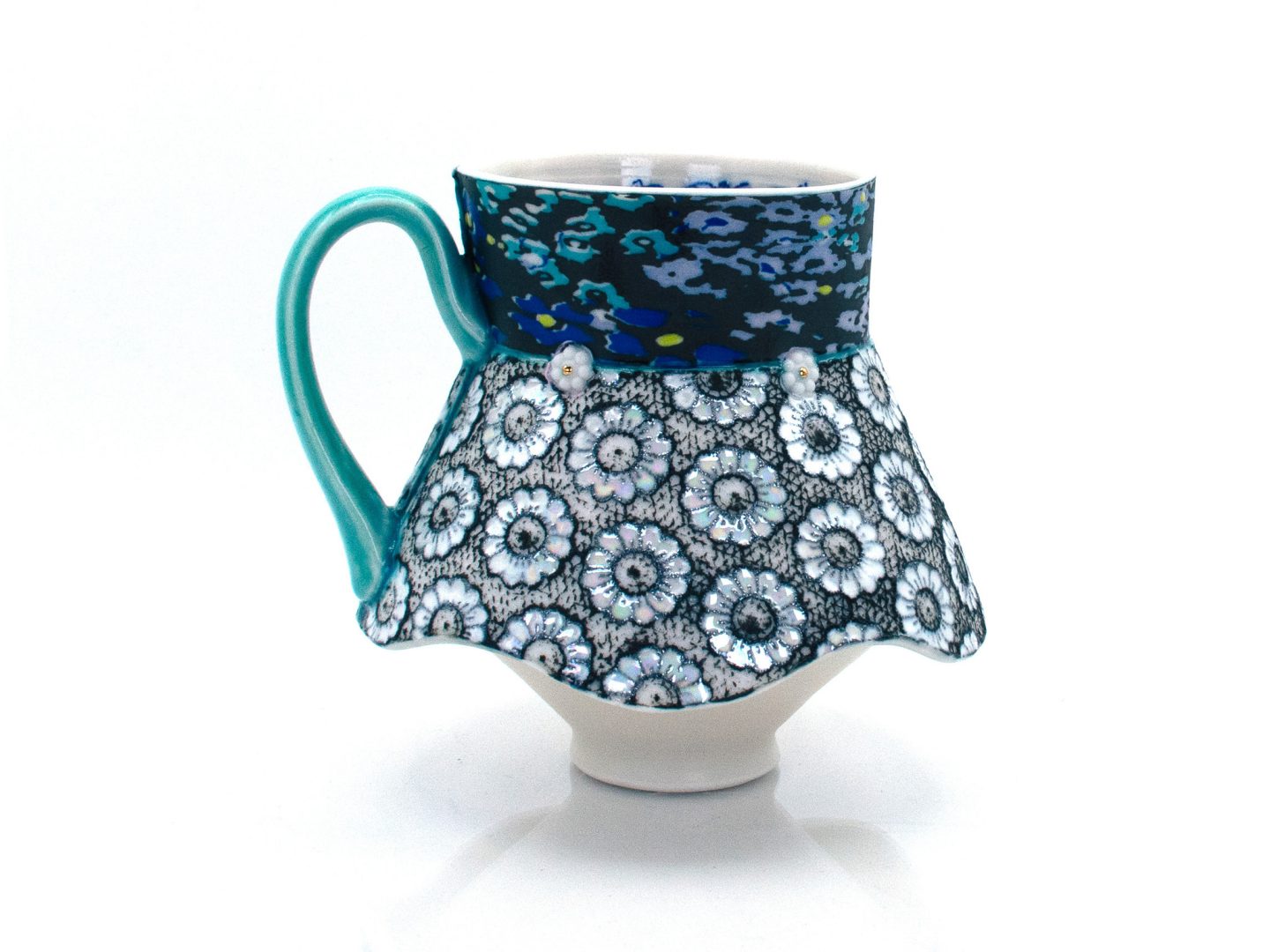
Matt Mitros, Mug Composition no.80
Workshop Details
Workshop Supplies
For general information about studio access, shipping, and more, please visit our info page.
If you have any questions regarding your supplies for your workshop, please contact Joanne Seongweon Lee, [email protected].
Lodging & Meals
Housing is limited and includes shared and private lodging options. Reservations will be managed on a first-come, first-served basis. The earlier you reserve housing, the better your chance of receiving your preferred option. Please note: Workshop costs do not include accommodations.
NEW: Course fees includes a welcome dinner and lunches. In our effort to foster a stronger sense of community and accessibility at Anderson Ranch, we include the welcome dinner and all lunches as part of course fees for summer workshop students. Our hope is that this adjustment will encourage all students to come together to share meals and engage in meaningful conversations. The Ranch Café Meal Plan, which is included with Room and Board fees, strives to provide healthy, creative meals that will nourish your artistic creativity. Learn more.
We have established a Business Safety Plan with added layers of precaution that prioritize the health and safety of our staff, students, faculty and guests while continuing to provide you with the Anderson Ranch experience that you know and enjoy.
Ceramics
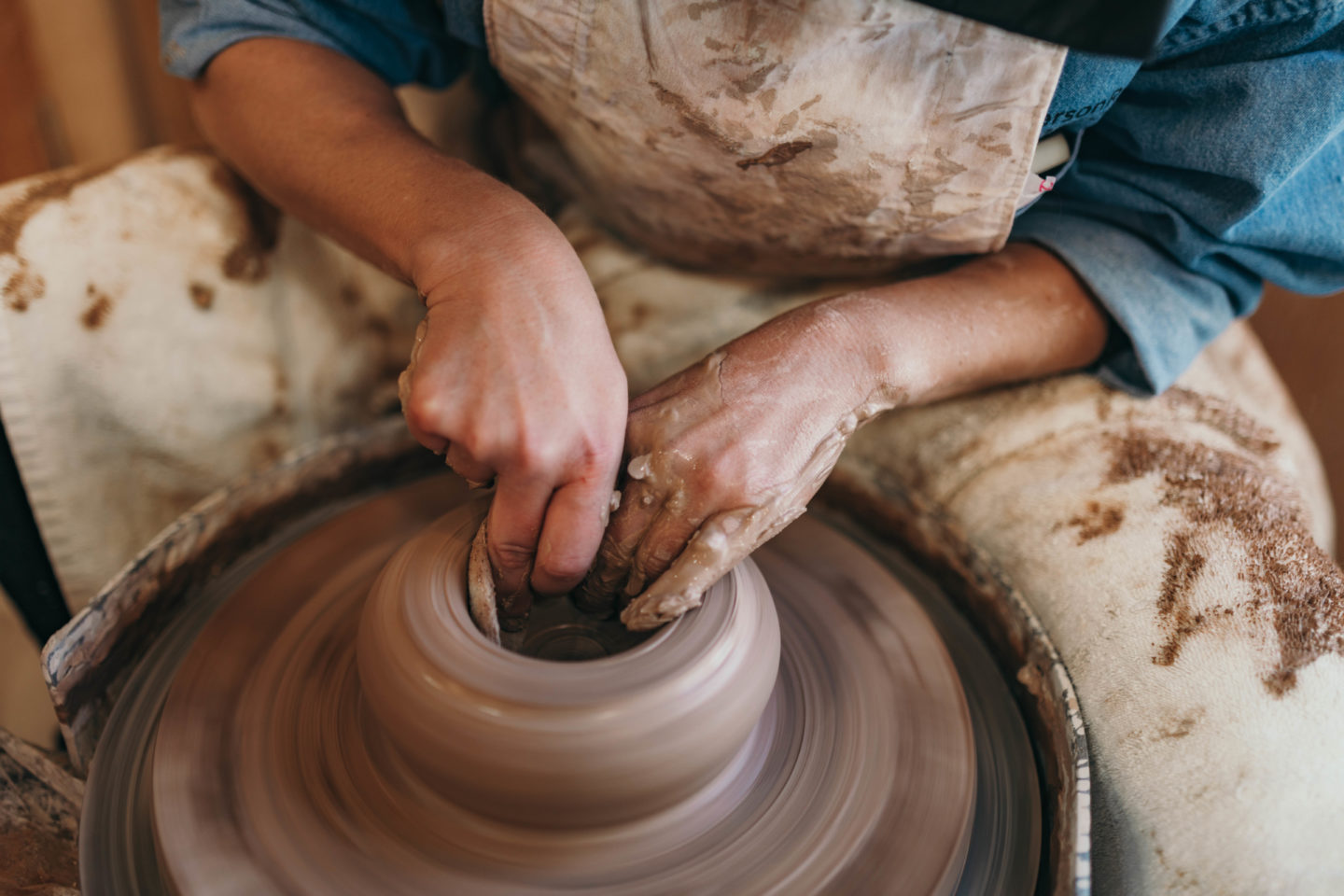
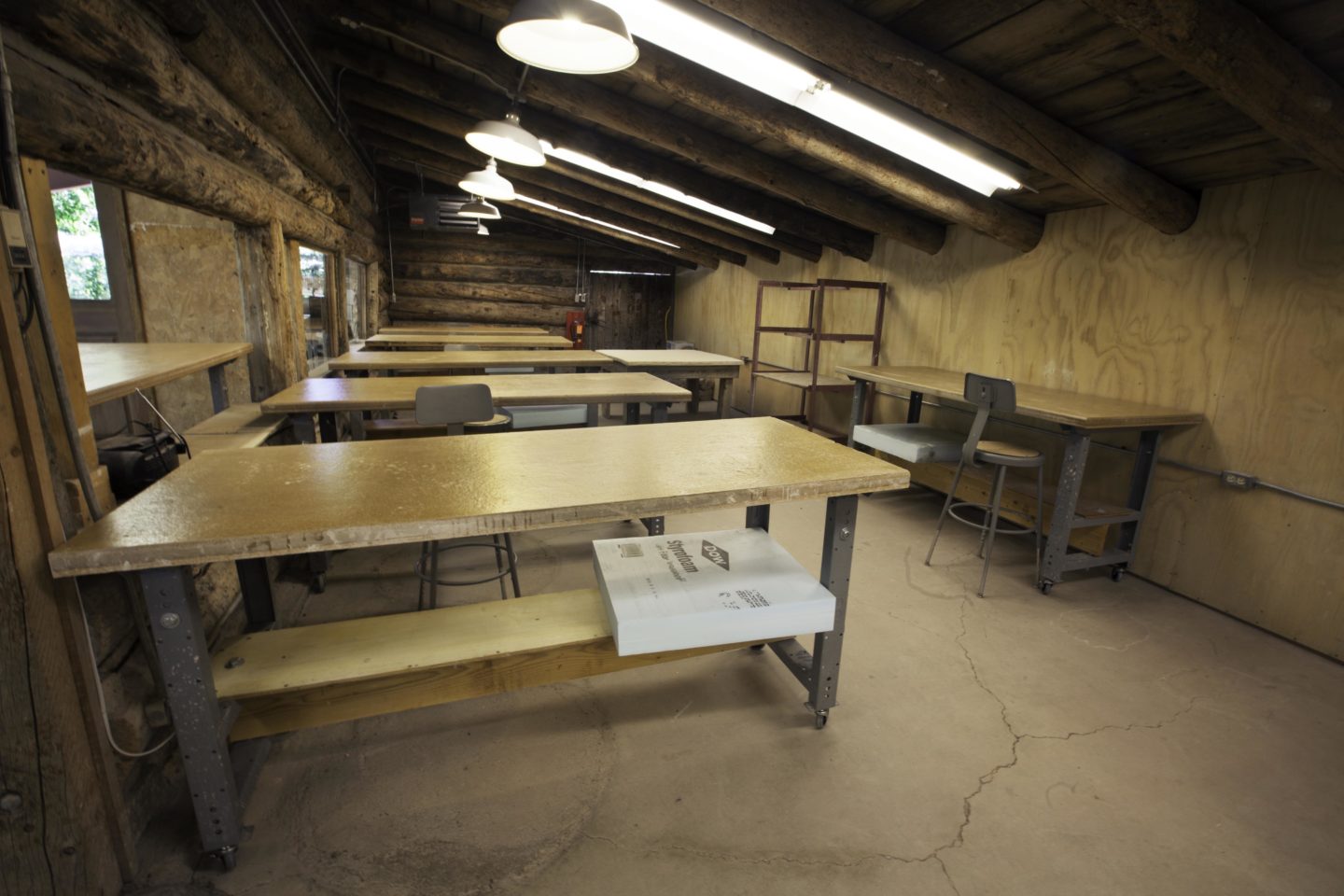
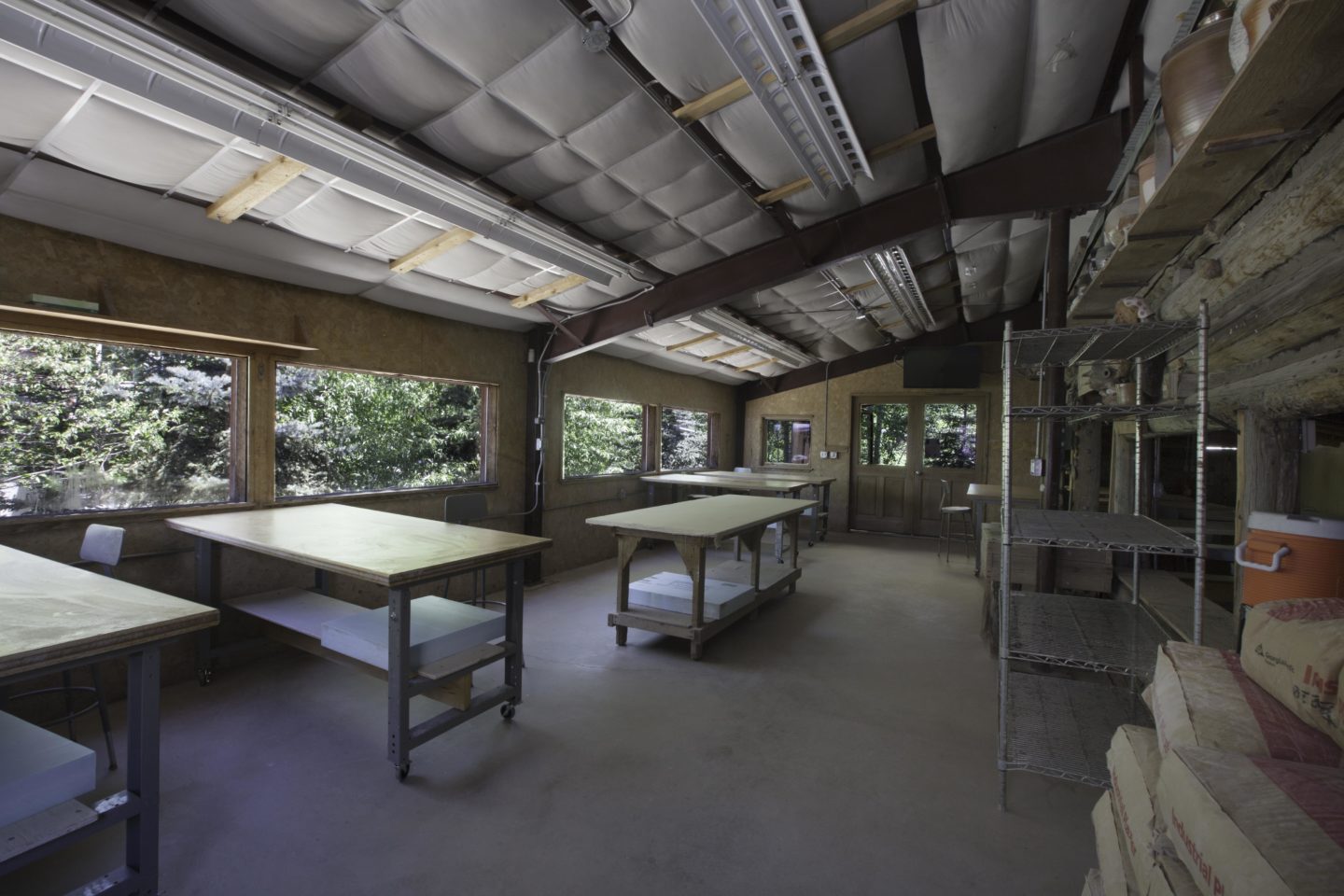

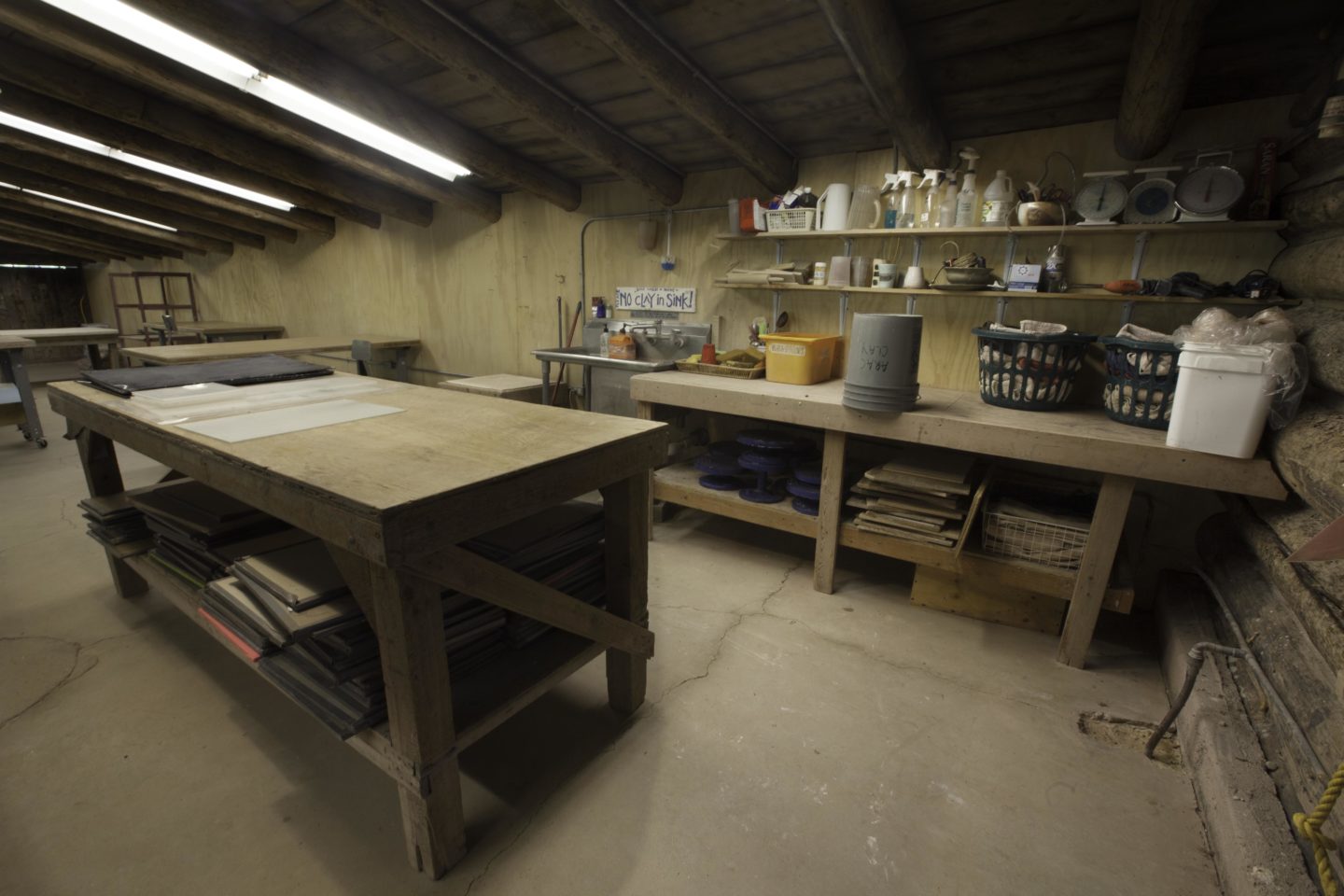

Ceramics Studio at Anderson Ranch, Aspen / Snowmass
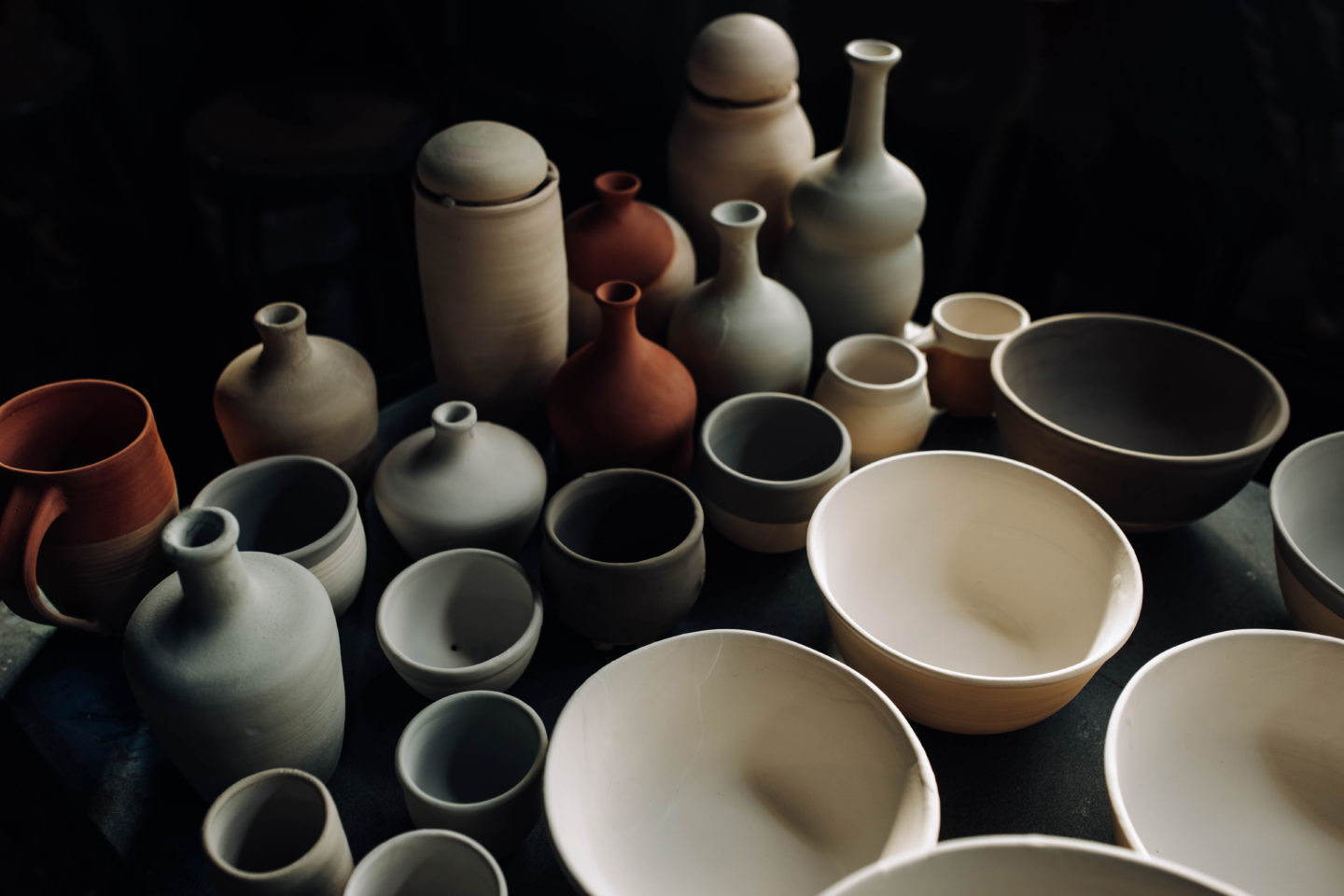
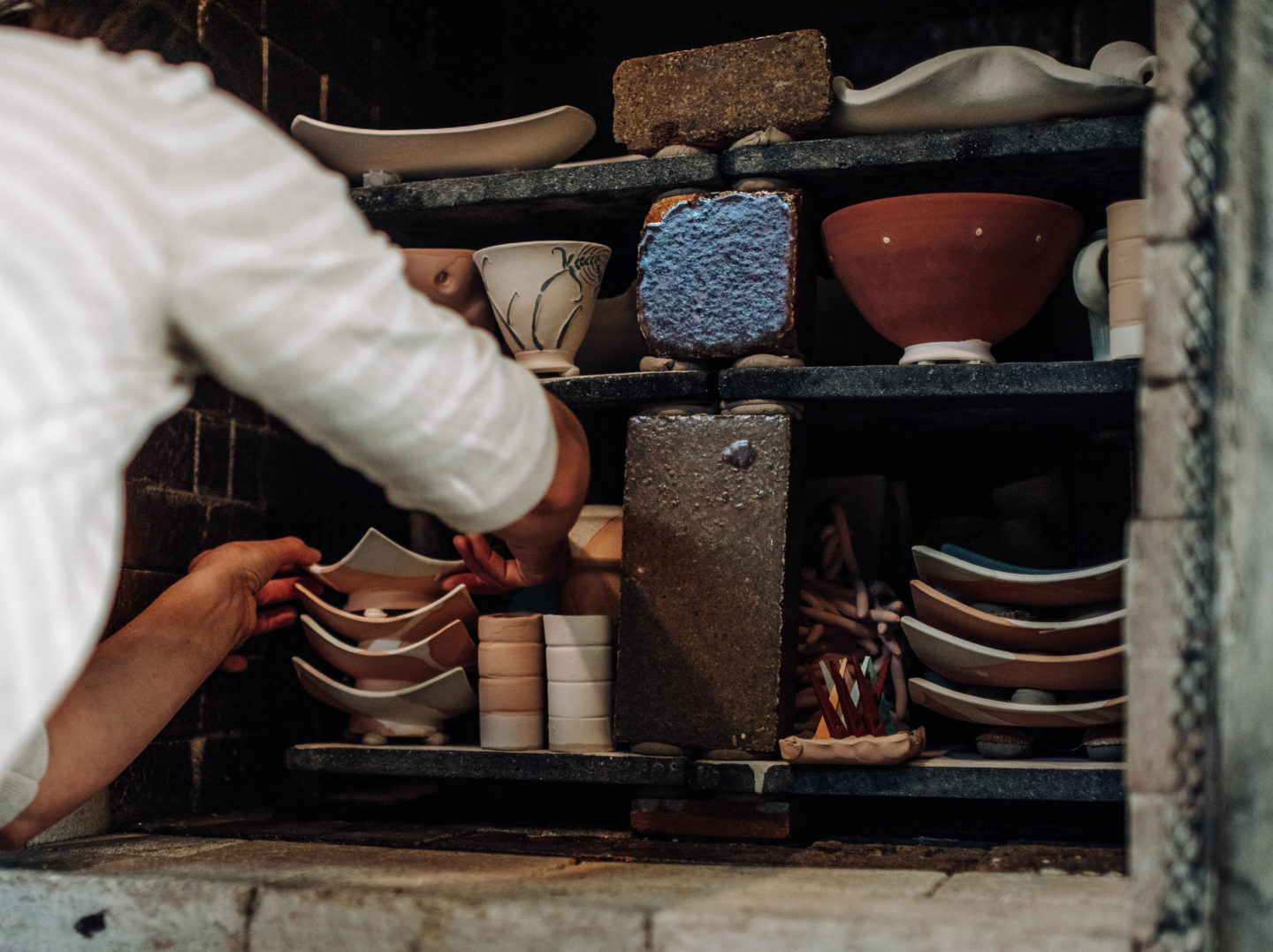
The ceramics studio at Anderson Ranch Arts Center, located in Snowmass Village near Aspen, Colorado, is a fully equipped professional ceramics studio designed to support immersive workshops and advanced studio practice. The facility offers dedicated workspaces, high-quality kilns, glazing areas, and technical infrastructure for artists working in clay across a range of processes and firing methods.
Interested in enrolling? Explore the full schedule of Ceramics Workshops at Anderson Ranch.
In 1966, American ceramicist Paul Soldner selected the site for what is now Anderson Ranch Arts Center, forming the foundation for a thriving ceramics program. Then and now, Anderson Ranch is a place where students exchange ideas and examine ceramic art and pottery techniques. It has always been a place where seminal moments of growth happen in an artist’s creative and critical thinking. Here, both beginning and emerging artists gain strong fundamental support, while established artists achieve new perspectives and advance their techniques.
The Ranch Ceramics team provides support, feedback and technical problem-solving, giving each artist the freedom to experiment and grow. Our primary focus is on personal advancement through a process of creative discovery.
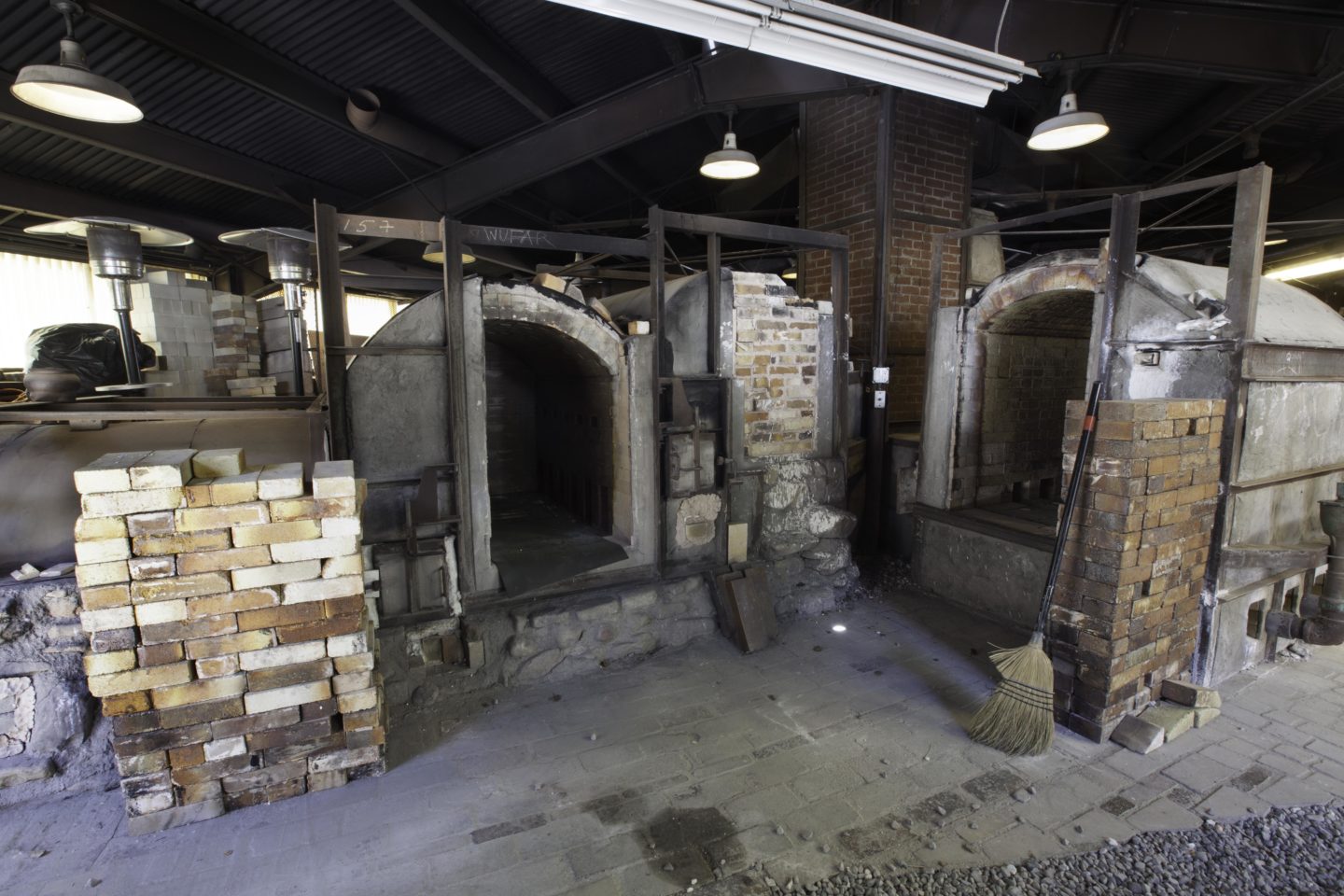
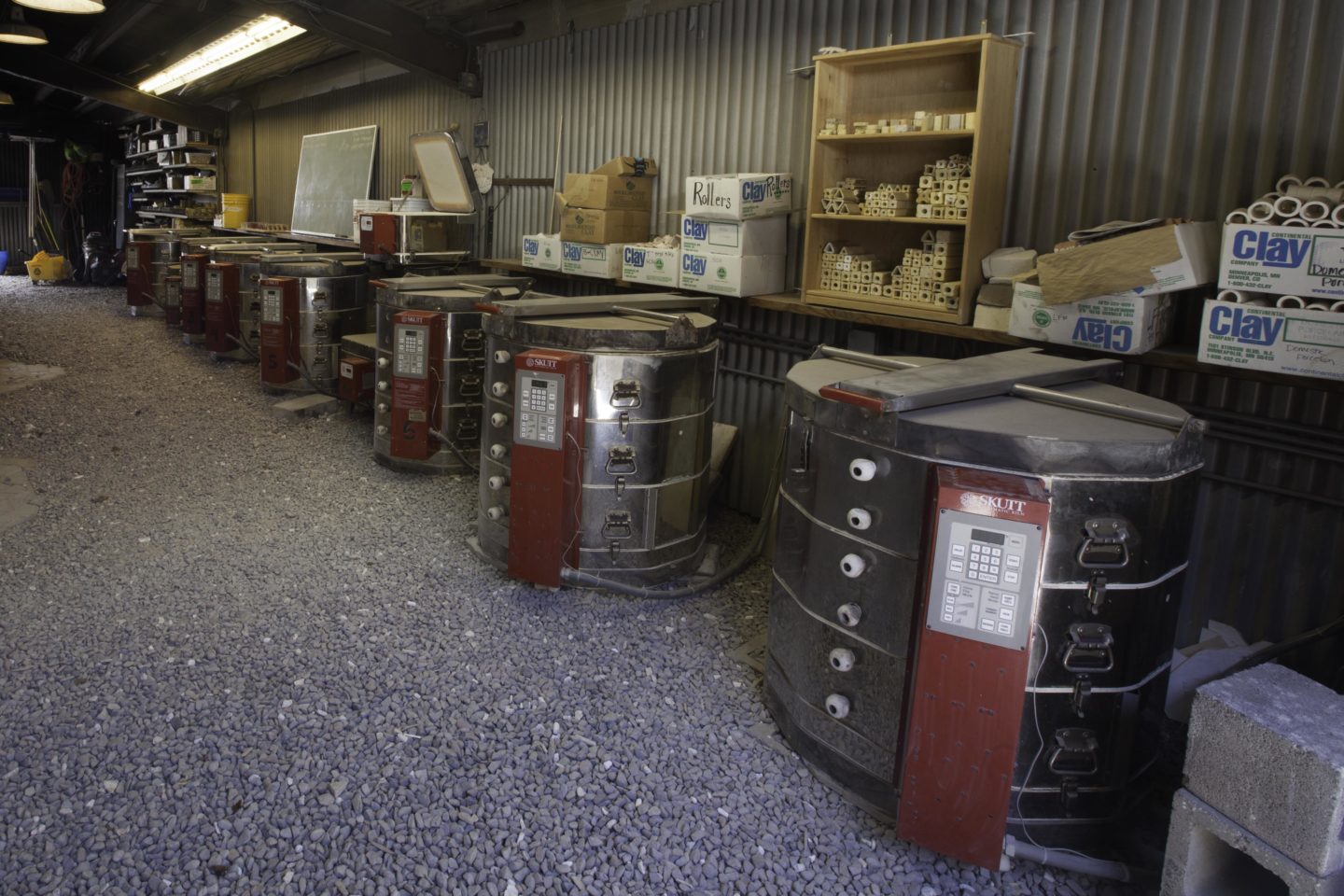
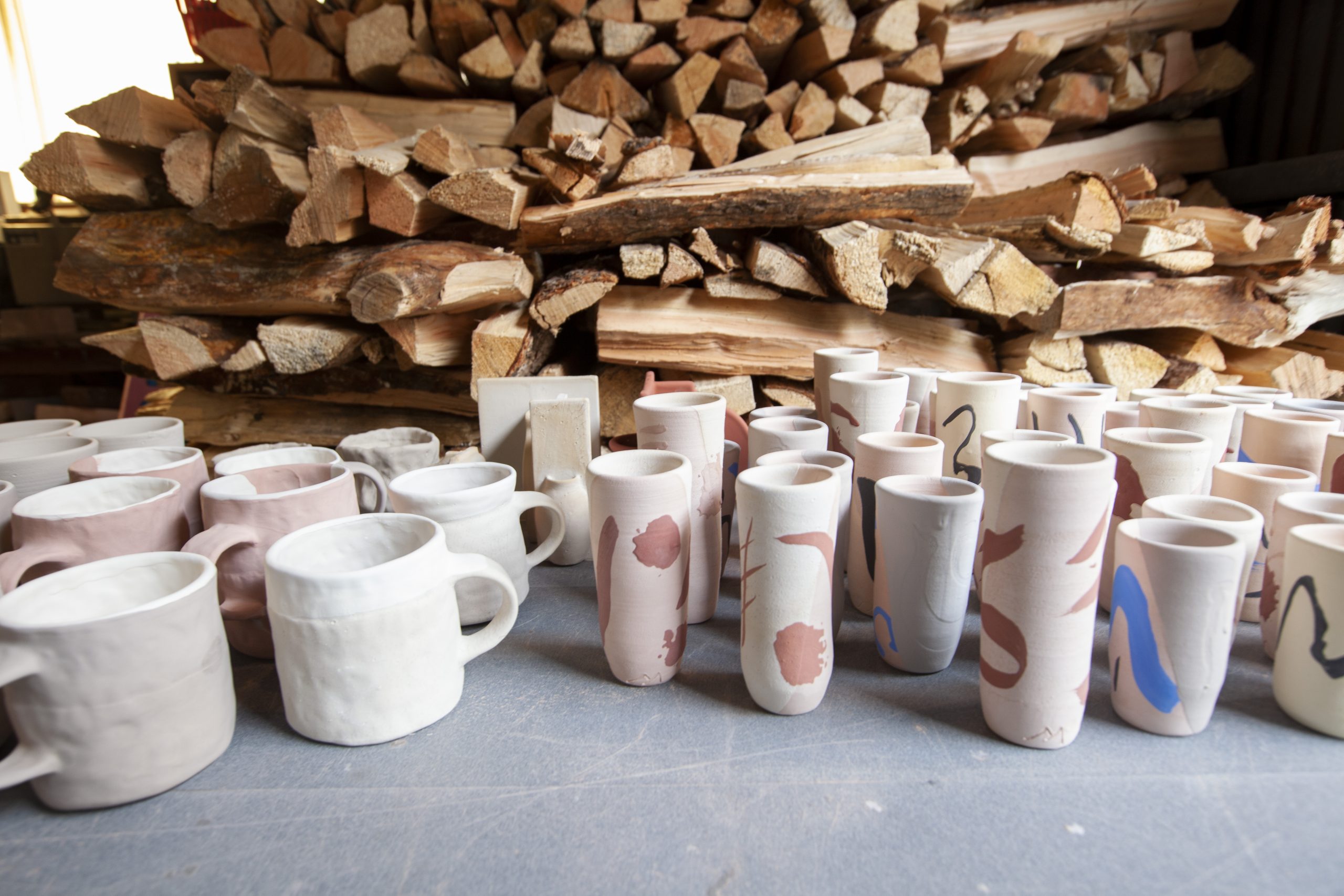
The Soldner Ceramics Center makes up more than 10,000 square feet in three buildings with 3 studio spaces and 1 kiln yard; Soldner Studio, Long Studio, Sorenson Studio and Lyeth/Lyon Kiln Building. Soldner and Long studios are used for wheel-throwing, hand-building, or general ceramics creativity. Sorenson studio is equipped with five PotterBot 3d clay printers. The Lyeth/Lyon kiln building is equipped with gas, electric, soda and wood kilns for both oxidation and reduction firing at all temperature ranges. The Ranch offers three wood kilns including a gas/wood hybrid kiln, three gas reduction kilns, one soda kiln and eleven high-temperature electric kilns.
Don’t know where to start? View the skill levels for ceramics workshops.
Anderson Ranch Arts Center is a historic, rustic campus that features gravel pathways and uneven terrain that may pose challenges for individuals using wheelchairs or other mobility devices. We strive to provide accommodations to ensure all guests can access and enjoy our programs and facilities. With advance notice, our staff can offer personalized assistance and coordinate access to studios and campus spaces. For questions or to request an accommodation, please contact us at (970) 923-3181 or [email protected].
Anderson Ranch is happy to extend a 20% tuition discount for summer one- or two-week adult ceramics workshops for NCECA members at the student membership level or above. Please email [email protected] with your NCECA membership information prior to registering and we will send you a promo code to complete registration with your discount applied. You are also welcome to call 970-924-5089 to register after verifying your membership with us. **Please note, this discount must be approved prior to registering and cannot be applied retroactively. NCECA discount does not apply to Advanced Mentored Studies programs or Destination Workshops, nor can it be combined with any other discount, scholarship or special offer.
Scholarships, College Credit & Discounts
Making Art Accessible
Applications for scholarship support are encouraged. Specific scholarships are funded by Ranch supporters, either through endowed funds or special gifts.
Many colleges and universities offer college credit for workshops taken at Anderson Ranch. Discounts are available for students and teachers.
You Might Also Be Interested In
-
III
Level III
Students have significant experience with clay forming techniques, such as throwing, hand building and modeling. Students are comfortable with ceramics equipment, such as wheels, extruders and slab rollers. Students are self-starting with some formal training and have taken a minimum of three classes or workshops.
-
IV
Level IV
Students have advanced skills and knowledge of the ceramics field. Students are highly motivated, have a minimum of five years experience in the field and have a portfolio of their artwork. Typical students are academics and professional artists.
Jul 27 - Aug 7, 2026
9 AM - 5 PM
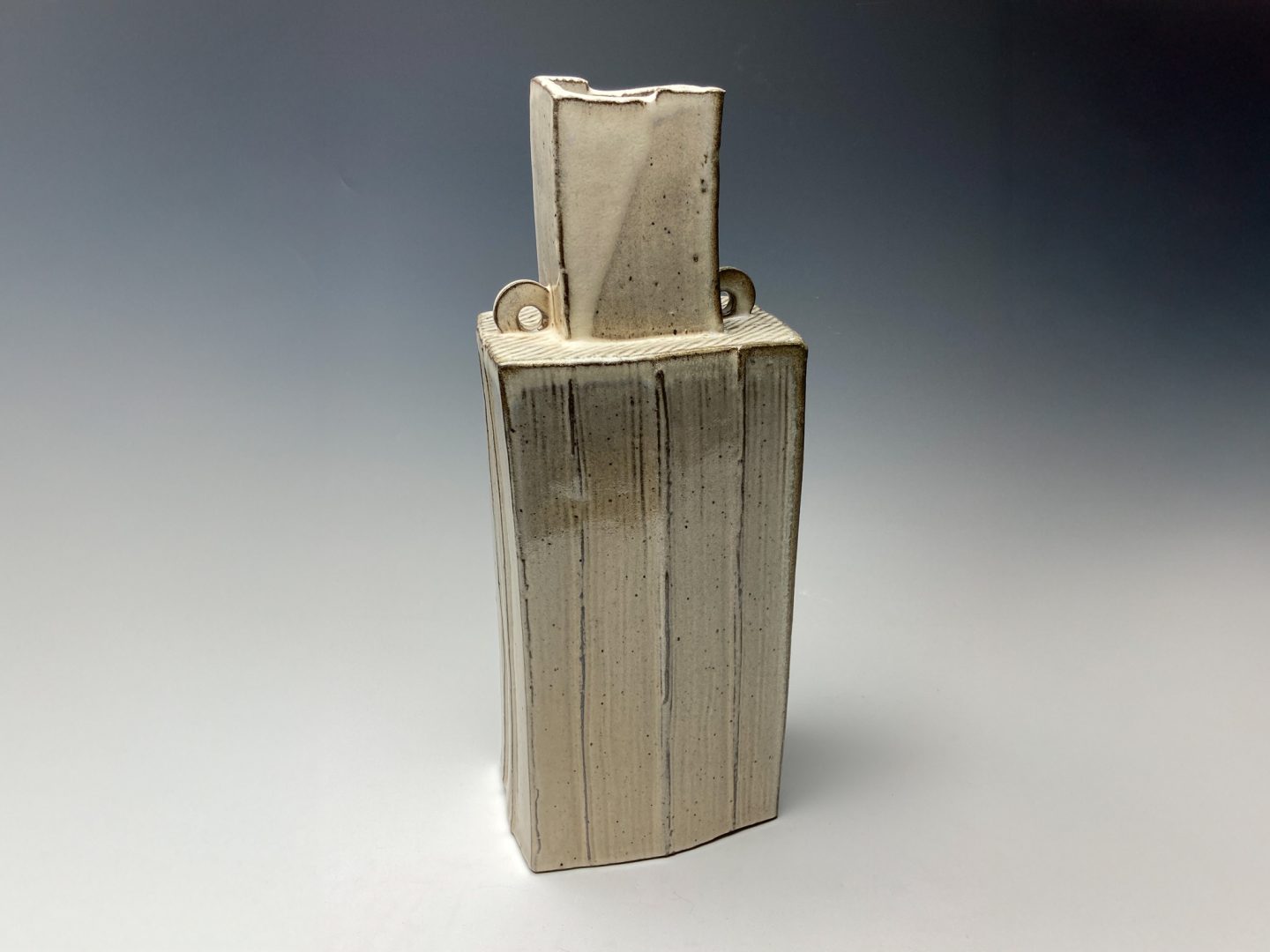
The Language of Pottery: Ideas and Techniques
Doug Casebeer
Tuition $2,100
Code C0910-26
Students focus on developing ideas that resonate with personal meaning and content through exercises and projects that bring forward shapes and forms with thoughtful resolutions. Students are challenged to create pottery and vessels that explore individual life experiences and add new techniques that further develop skills. Participants engage in making objects for the home and kitchen, bringing pleasure into everyday routines.
-
II
Level II
Students have a basic understanding of forming techniques, such as throwing and hand building. Students have taken one or two ceramics classes or workshops.
-
III
Level III
Students have significant experience with clay forming techniques, such as throwing, hand building and modeling. Students are comfortable with ceramics equipment, such as wheels, extruders and slab rollers. Students are self-starting with some formal training and have taken a minimum of three classes or workshops.
Jul 27 - Aug 7, 2026
9 AM - 5 PM
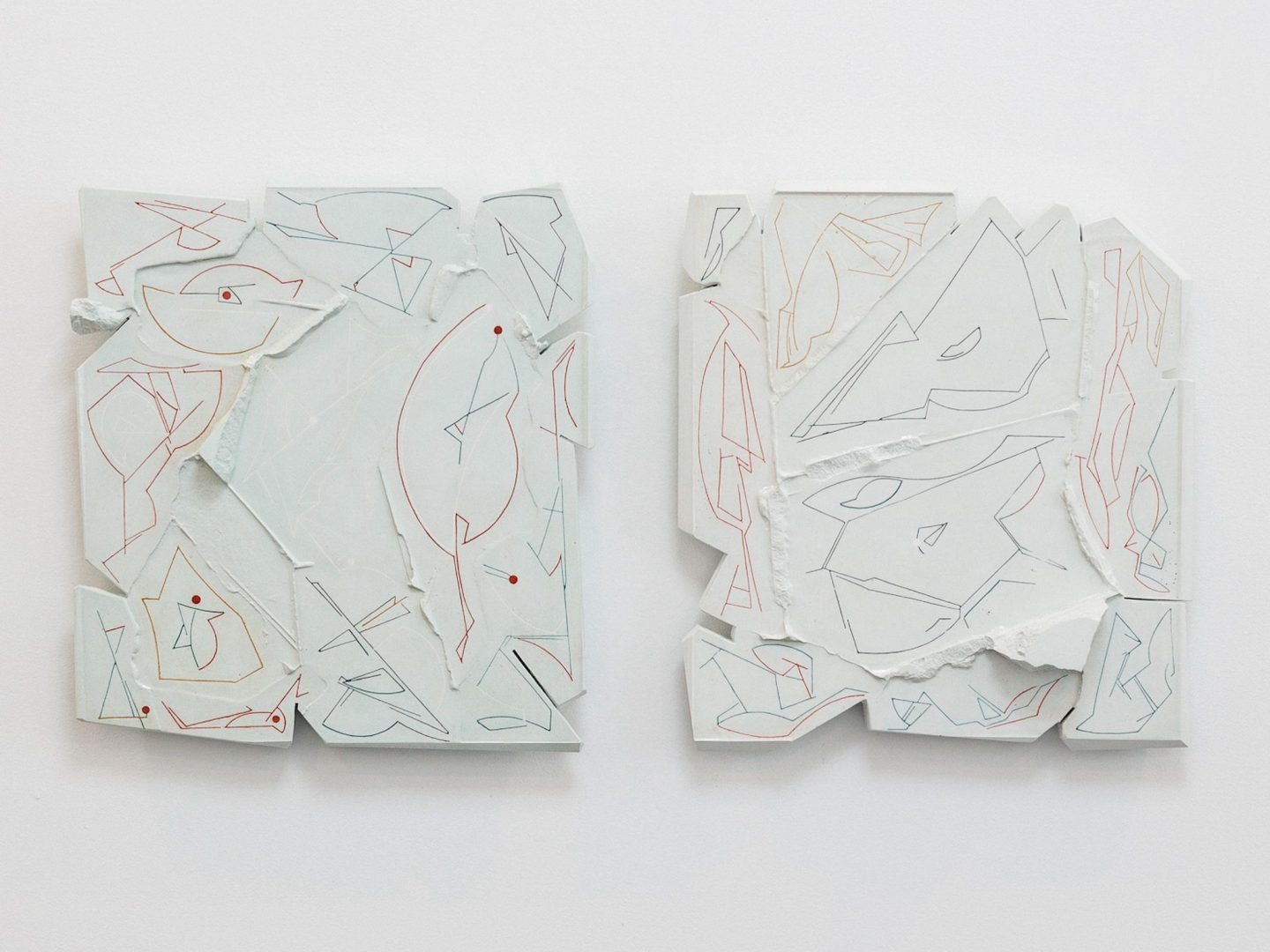
Casting Possibilities: Generative Mold and Form Making
Hae Won Sohn
Tuition $1,795
Code C0911-26
This workshop explores reverse thinking between mold and cast, treating the mold as an evolving work of art itself. Beginning with plaster prototyping, mold-making, and slip-casting, students discover plaster's versatility as both medium and tool. Not a traditional mold-making workshop, the course encourages students to move beyond convention, treating mold-making not only as a method for producing identical multiples but also as a generative process. By engaging the interplay between form and its inverse, the workshop expands the scope of slip-casting, revealing mold-making's potential for invention and new formal possibilities.
-
III
Level III
Students have significant experience with clay forming techniques, such as throwing, hand building and modeling. Students are comfortable with ceramics equipment, such as wheels, extruders and slab rollers. Students are self-starting with some formal training and have taken a minimum of three classes or workshops.
-
IV
Level IV
Students have advanced skills and knowledge of the ceramics field. Students are highly motivated, have a minimum of five years experience in the field and have a portfolio of their artwork. Typical students are academics and professional artists.
Aug 10 - 21, 2026
9 AM - 5 PM
Piecing it Together: Slab Building with Clay Fabric
Samantha Briegel
Tuition $1,795
Code C1113-26
Learn innovative slab surface treatment techniques in this dynamic workshop that combines hand-building, textured decoration, underglaze screen-printing, and particularly the process of building textured slab-molds using fabric and plaster. Students design and create their own cast textured clay slabs, transforming them into sculptures or functional wares, and explore a technique for applying underglaze color patterns with EZ screens—a technique that can be done easily in a home studio. We learn the art of creating templates and stencils for printing onto clay slab surfaces, and come away from the workshop with plaster texture molds, screenprinted stencils, and several finished works. The workshop is ideal for students who are skilled in slab building functional pottery and want to invigorate their practices with new surface techniques.