


Sculpture
Code: S0202-23
-
O
Open to All
Students of any skill and knowledge level.
Materials Lab: Raw and Cooked
Jun 12 - 16, 2023Past
9AM-5PM
Upcoming Workshops in Sculpture
-
 Steel and Mixed Media Explorations
Jan 4 - 8, 2027
Steel and Mixed Media Explorations
Jan 4 - 8, 2027
-
 January Studio Sessions: Sculpture
Jan 11 - 15, 2027
January Studio Sessions: Sculpture
Jan 11 - 15, 2027
-
 January Studio Sessions: Sculpture
Jan 18 - 22, 2027
January Studio Sessions: Sculpture
Jan 18 - 22, 2027
-
 January Studio Sessions: Sculpture
Jan 25 - 29, 2027
January Studio Sessions: Sculpture
Jan 25 - 29, 2027
Concept
Raw and Cooked is a materials lab exploring five techniques of material invention: densify, reconfigure, transform, design, and cultivate. This class encourages experimentation with traditional techniques of production including casting, papermaking, and weaving. Accompanying lectures on garbology, vernacular architecture, secondary-use design, and current industrial models of material manufacture help us to understand both physical properties and their interconnected social, political, and ethical meanings. Dispensing with the notion of nature as a standing supply of raw materials, this course exercises art in a circular economy by sourcing surplus, waste, and by-products as the resources for making which contain inherent potential for meaning.
Media & Techniques
Cooking, casting, blending, papermaking, weaving, surplus materials
Supply ListFaculty

Lan Tuazon
Lan Tuazon is an associate professor of Sculpture at School of the Art Institute of Chicago. She is currently working on Future Fossils, a durational and documentary sculpture about the scale of the human footprint of consumption. Her solo exhibitions include the Brooklyn Museum and Storefront of Art and Architecture in New York, Visual Arts Center at the University of Texas in Austin, and Hyde Park Art Center in Chicago.
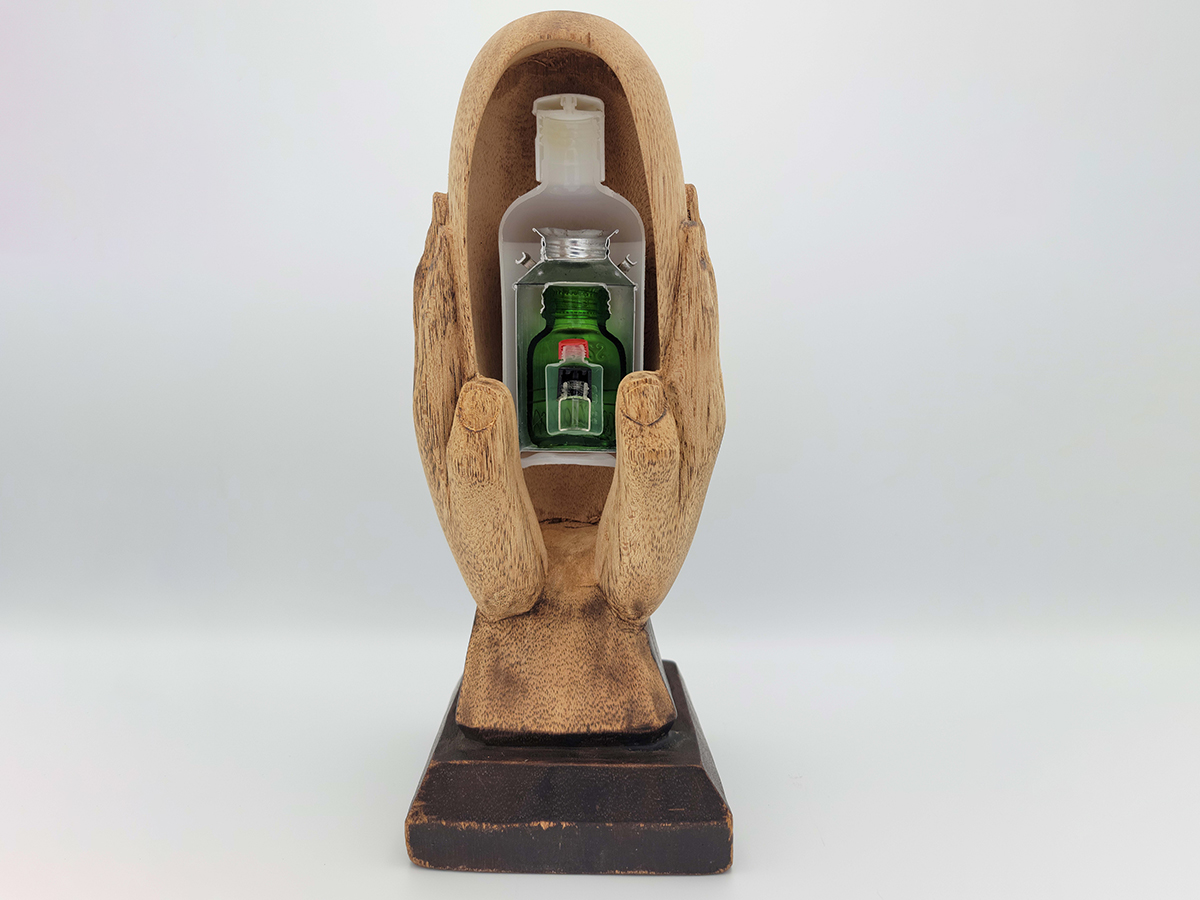
Lan Tuazon, Bird in Hand
Upcoming Workshops in Sculpture
-
Steel and Mixed Media Explorations
Jan 4 - 8, 2027
-
January Studio Sessions: Sculpture
Jan 11 - 15, 2027
-
January Studio Sessions: Sculpture
Jan 18 - 22, 2027
-
January Studio Sessions: Sculpture
Jan 25 - 29, 2027
Workshop Details
Workshop Supplies
For general information about studio access, shipping, and more, please visit our info page.
If you have any questions regarding your supplies for your workshop, please contact William Lanzillo, [email protected].
Lodging & Meals
Housing is limited and includes shared and private lodging options. Reservations will be managed on a first-come, first-served basis. The earlier you reserve housing, the better your chance of receiving your preferred option. Please note: Workshop costs do not include accommodations.
NEW: Course fees includes a welcome dinner and lunches. In our effort to foster a stronger sense of community and accessibility at Anderson Ranch, we include the welcome dinner and all lunches as part of course fees for summer workshop students. Our hope is that this adjustment will encourage all students to come together to share meals and engage in meaningful conversations. The Ranch Café Meal Plan, which is included with Room and Board fees, strives to provide healthy, creative meals that will nourish your artistic creativity. Learn more.
We have established a Business Safety Plan with added layers of precaution that prioritize the health and safety of our staff, students, faculty and guests while continuing to provide you with the Anderson Ranch experience that you know and enjoy.
Sculpture


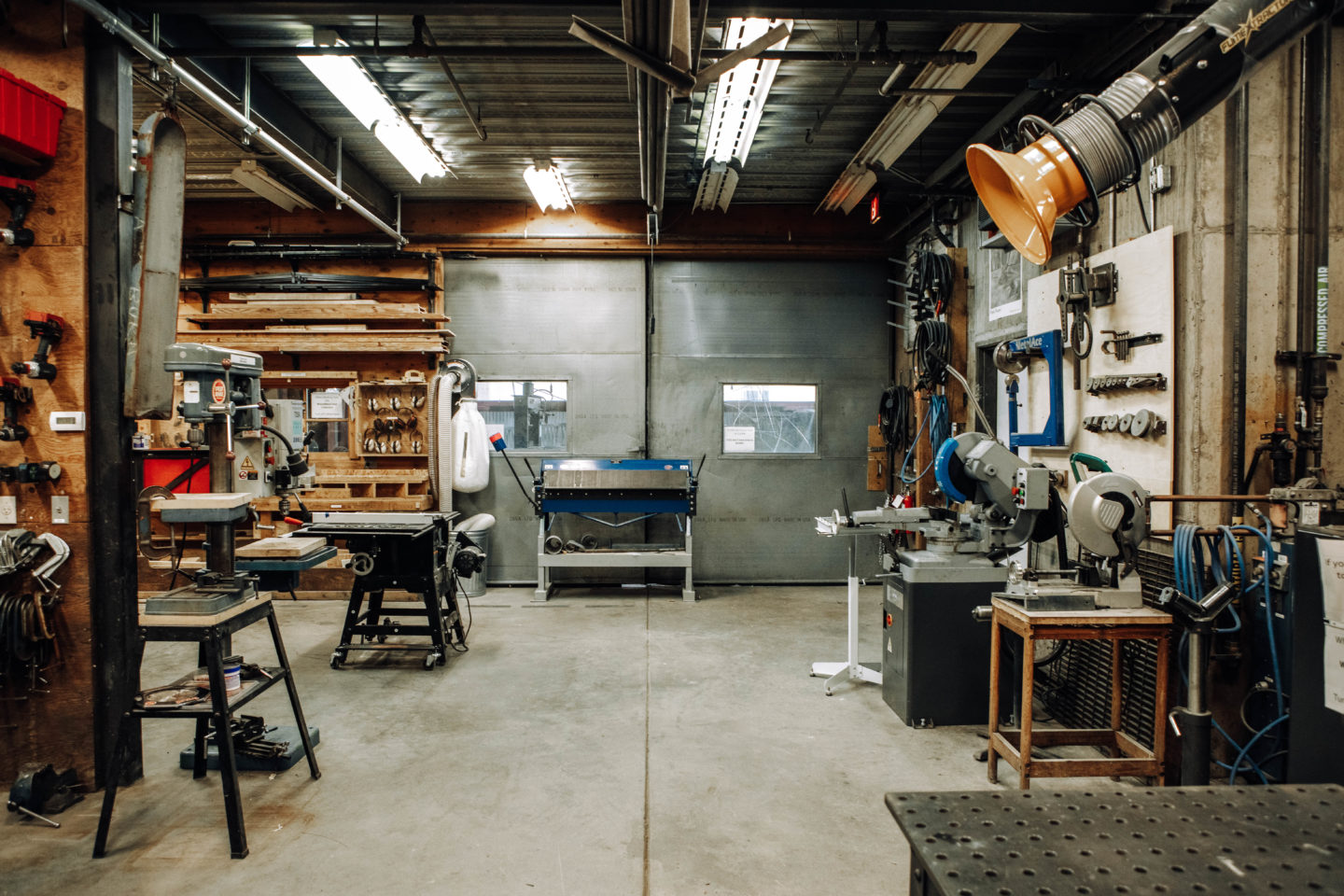
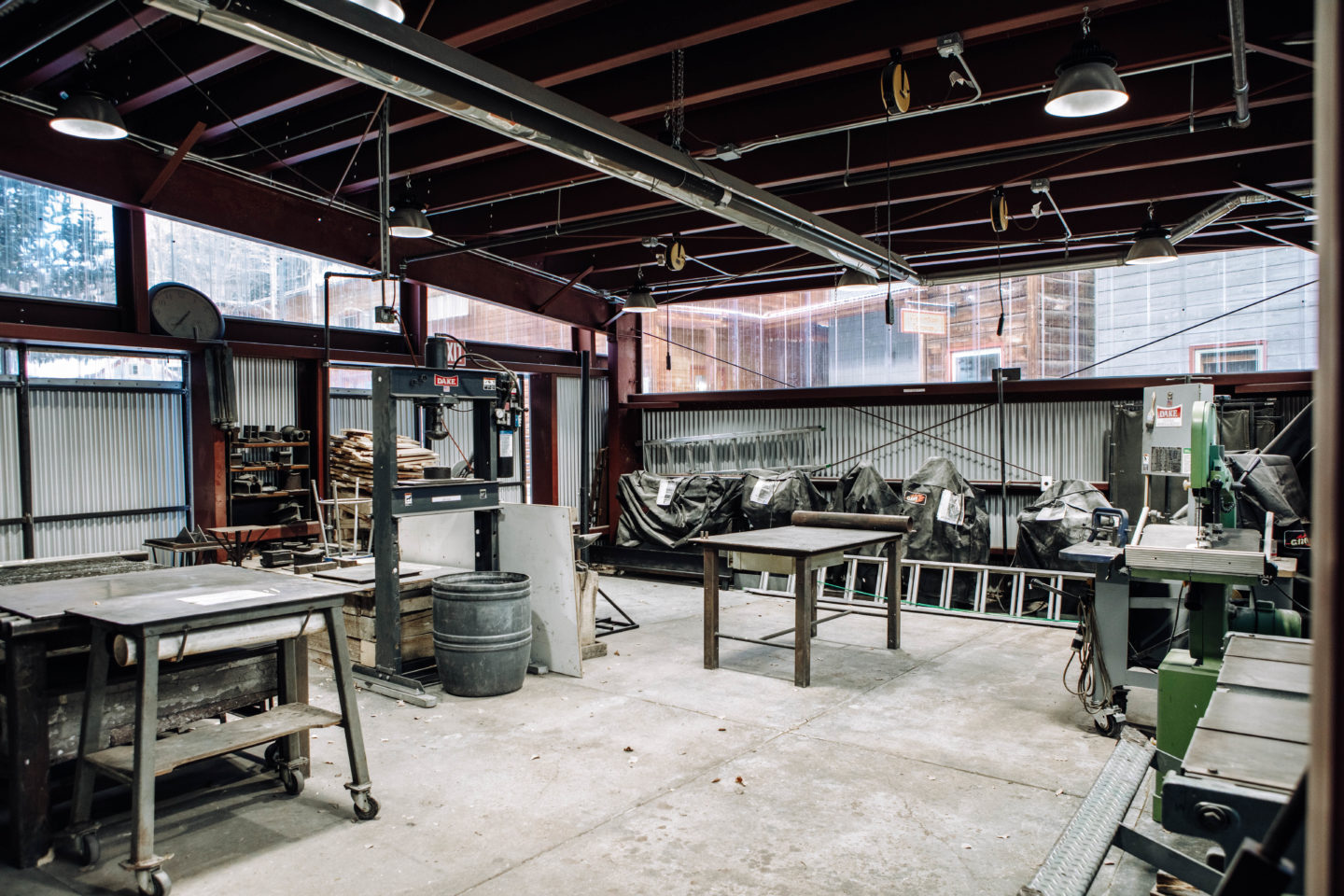
Sculpture Studio in Aspen / Snowmass
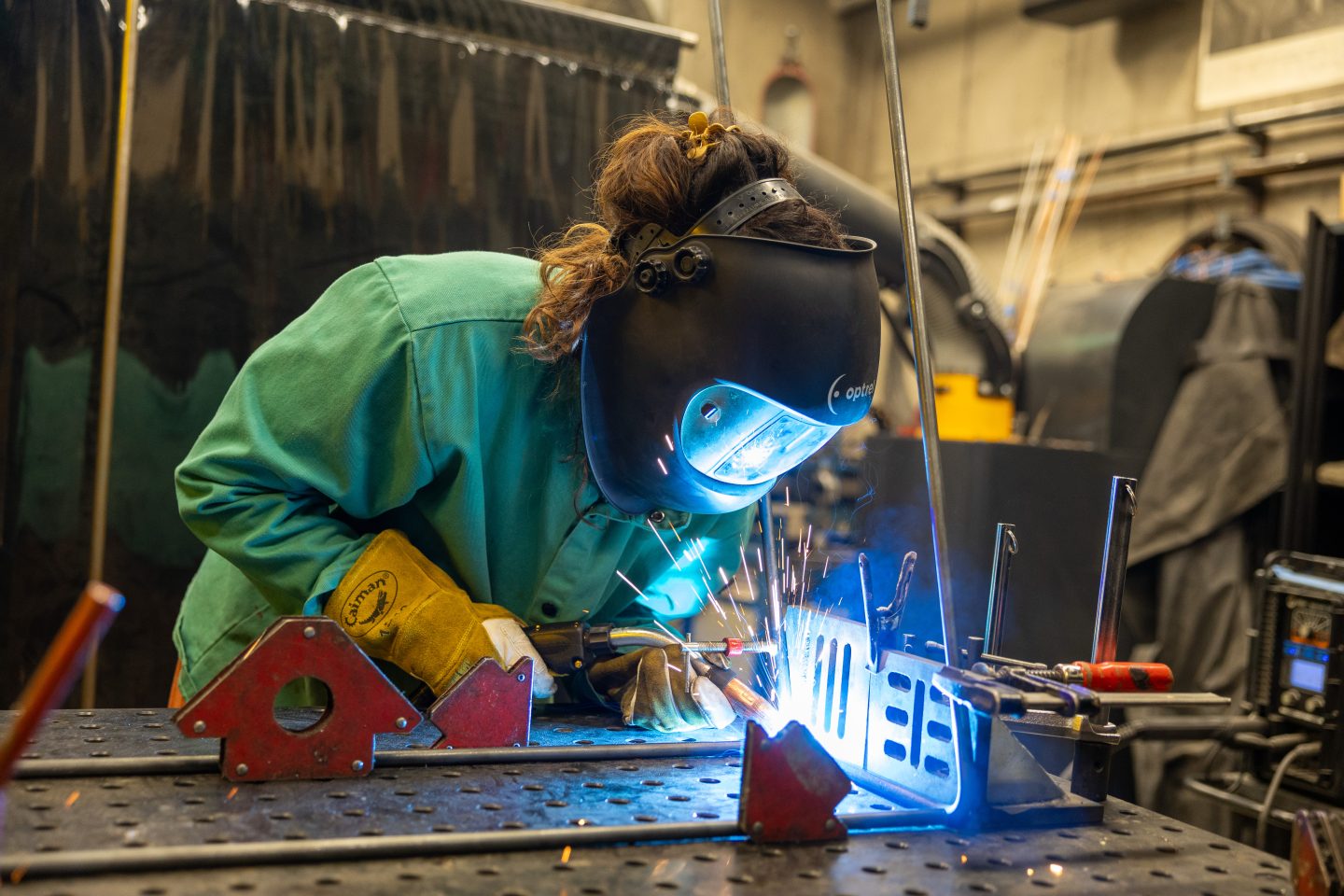
The Sculpture Studio at Anderson Ranch Arts Center, located in Snowmass Village near Aspen, Colorado, is a purpose-built professional sculpture facility designed to support large-scale fabrication, material experimentation, and immersive studio practice. The space accommodates a wide range of processes, including carving, welding, casting, kinetic systems, and mixed-media construction.
With indoor and outdoor work areas, specialized tools, and technical infrastructure for both traditional and contemporary approaches, the Sculpture Studio provides artists the freedom to work across scale and material with structural support and professional-grade equipment.
Interested in enrolling? Explore the full schedule of Sculpture workshops at Anderson Ranch.
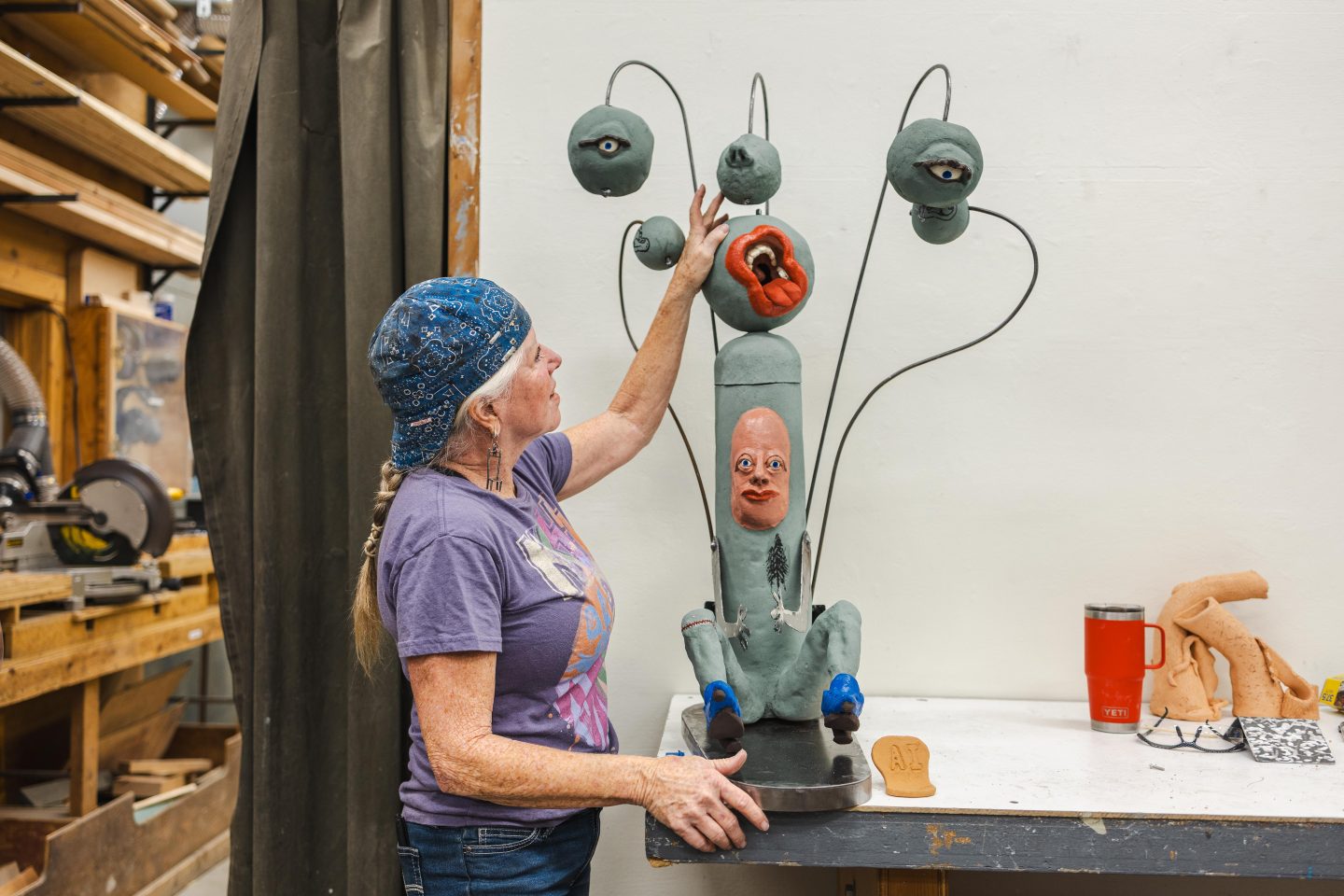
Express your creativity and vision by exploring the limitless art of sculpture. At Anderson Ranch, our sculpture program offers a vibrant spectrum of workshops that reflect a variety of studio practices. At the confluence of tradition and technology, these programs are material and technique-rich, ranging from classical metal fabrication to experimental digital production.
Students work in communal and interactive studios designed for all levels of experience, supporting traditional and nontraditional methods. The sculpture studios are fully equipped with advanced machinery and offer additional outdoor covered workspace.
Our renowned sculpture faculty work closely with students through critical discussions, material demonstrations and individual assistance. Instructors encourage exploration and experimentation, emphasizing process and idea development. We complement this with a focus on process and sound construction. You leave with far more than finished pieces—you walk away with the tools and inspiration required to elevate your studio practice.
Don’t know where to start? View the skill levels for sculpture workshops.
Anderson Ranch Arts Center is a historic, rustic campus that features gravel pathways and uneven terrain that may pose challenges for individuals using wheelchairs or other mobility devices. We strive to provide accommodations to ensure all guests can access and enjoy our programs and facilities. With advance notice, our staff can offer personalized assistance and coordinate access to studios and campus spaces. For questions or to request an accommodation, please contact us at (970) 923-3181 or [email protected].
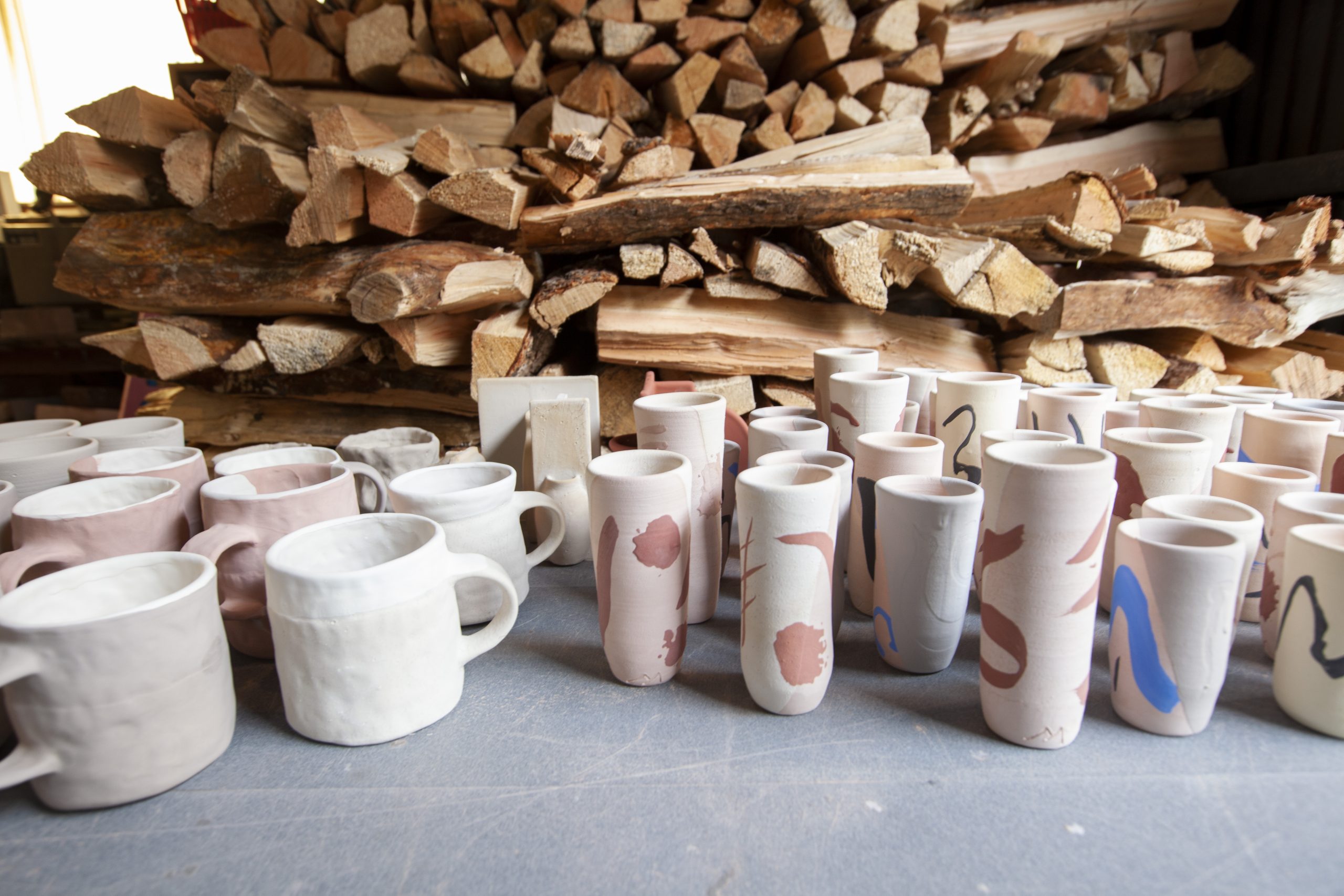
Scholarships, College Credit & Discounts
Making Art Accessible
Applications for scholarship support are encouraged. Specific scholarships are funded by Ranch supporters, either through endowed funds or special gifts.
Many colleges and universities offer college credit for workshops taken at Anderson Ranch. Discounts are available for students and teachers.
You Might Also Be Interested In
-
O
Open to All
Students of any skill and knowledge level.
Jan 4 - 8, 20279 AM - 5 PM
Steel and Mixed Media Explorations
Carl Reed
Tuition $1,300
Code JANSTU2027S
Discover the versatility of steel in this mixed-media workshop exploring contemporary sculpture. Open to all experience levels, this course demonstrates how mastering a new process can unlock unimagined aesthetic possibilities. Beginners will learn fundamental techniques to cut, shape, and join steel, discovering the metal's ability to appear everything from aggressive and durable to delicate and organic. Experienced Artists new to sculpture will learn to translate their ideas into 3D compositions, practicing how to “draw in space” and ensure structural coherence from every angle. Seasoned Sculptors can push their boundaries by integrating steel with contrasting materials like wood, leather, cloth, or paper. Instruction is tailored through individual critiques, technical demonstrations, and group visual analysis. Whether you stick to traditional metalwork or experiment with mixed media, you are encouraged to work at the pace and style that best suits your interests.
-
II
Level II
Students have a basic knowledge of 3-D art making and sculpture concepts and are comfortable using a variety of hand and power tools. Students have taken one or two sculpture classes or workshops.
-
III
Level III
Students have experience with a variety of materials and fabrication techniques and know how to use hand and power tools competently and safely. Students are self-starting with some formal training in critical aspects of sculpture and have a portfolio of artwork. Students have taken a minimum of three classes or workshops.
-
IV
Level IV
Students have advanced skills and knowledge of sculpture. Students are highly motivated, have a minimum of five years experience in the field and have multiple portfolios of their artwork. Typical students are academics and professional artists.
-
P
Portfolio Review Required
Students have advanced skill and knowledge of sculpture and know how to use machine and hand tools competently and safely. Students are highly motivated and have multiple portfolios of their artwork and are professionals in the field.
-
S
Studio Session
Jan 11 - 15, 20279 AM - 5 PM
January Studio Sessions: Sculpture
William Lanzillo
Tuition $1,000
Code ZSS0101b-27
Anderson Ranch’s January Studio Sessions provide artists the opportunity to work on independent projects while receiving mentoring and critique sessions with Anderson Ranch artistic staff. Each participant receives an assigned studio space, orientation, and access to equipment, as well as some morning group demonstrations and / or critiques. This program affords artists the experience enjoyed by national and international artists who access our state-of-the-art studios. Participants may expand their practices, take artistic risks, try new media or complete works for exhibition. *Studios are open 24 hours a day and on weekends for students enrolled in multiple weeks, with limited use of equipment due to safety requirements. The machine rooms are only available when monitored – weekdays 9 AM-5 PM. Evening monitoring hours are two nights a week, 7 – 9 PM. IMPORTANT DETAILS: Students will be responsible for all material costs associated with their projects. Private dorm rooms are available at Anderson Ranch for an additional fee; click here to view January 2027 lodging options. Breakfasts and dinners are included in the dorm fee. Lunches are included in the studio fees. TO APPLY: Applicants must submit project proposals or portfolios for approval. Contact Betsy Alwin, Artistic Director of Ceramics and Expanded Media, to apply:[email protected]

-
II
Level II
Students have a basic knowledge of 3-D art making and sculpture concepts and are comfortable using a variety of hand and power tools. Students have taken one or two sculpture classes or workshops.
-
III
Level III
Students have experience with a variety of materials and fabrication techniques and know how to use hand and power tools competently and safely. Students are self-starting with some formal training in critical aspects of sculpture and have a portfolio of artwork. Students have taken a minimum of three classes or workshops.
-
IV
Level IV
Students have advanced skills and knowledge of sculpture. Students are highly motivated, have a minimum of five years experience in the field and have multiple portfolios of their artwork. Typical students are academics and professional artists.
-
P
Portfolio Review Required
Students have advanced skill and knowledge of sculpture and know how to use machine and hand tools competently and safely. Students are highly motivated and have multiple portfolios of their artwork and are professionals in the field.
-
S
Studio Session
Jan 18 - 22, 20279 AM - 5 PM
January Studio Sessions: Sculpture
William Lanzillo
Tuition $1,000
Code ZSS0101c-27
Anderson Ranch’s January Studio Sessions provide artists the opportunity to work on independent projects while receiving mentoring and critique sessions with Anderson Ranch artistic staff. Each participant receives an assigned studio space, orientation, and access to equipment, as well as some morning group demonstrations and / or critiques. This program affords artists the experience enjoyed by national and international artists who access our state-of-the-art studios. Participants may expand their practices, take artistic risks, try new media or complete works for exhibition. *Studios are open 24 hours a day and on weekends for students enrolled in multiple weeks, with limited use of equipment due to safety requirements. The machine rooms are only available when monitored – weekdays 9 AM-5 PM. Evening monitoring hours are two nights a week, 7 – 9 PM. IMPORTANT DETAILS: Students will be responsible for all material costs associated with their projects. Private dorm rooms are available at Anderson Ranch for an additional fee; click here to view January 2027 lodging options. Breakfasts and dinners are included in the dorm fee. Lunches are included in the studio fees. TO APPLY: Applicants must submit project proposals or portfolios for approval. Contact Betsy Alwin, Artistic Director of Ceramics and Expanded Media, to apply.