


Ceramics
Code: C0707-26
-
Ages 13-17
Clay Camp: Hand Building for Teens
Jul 13 - 17, 2026Past
9 AM - 3 PM
Upcoming Workshops by Joanne Seongweon Lee
-
 January Studio Sessions: Ceramics
Jan 4 - 29, 2027
January Studio Sessions: Ceramics
Jan 4 - 29, 2027
Upcoming Workshops in Ceramics
-
January Studio Sessions: Ceramics
Jan 4 - 29, 2027
Concept
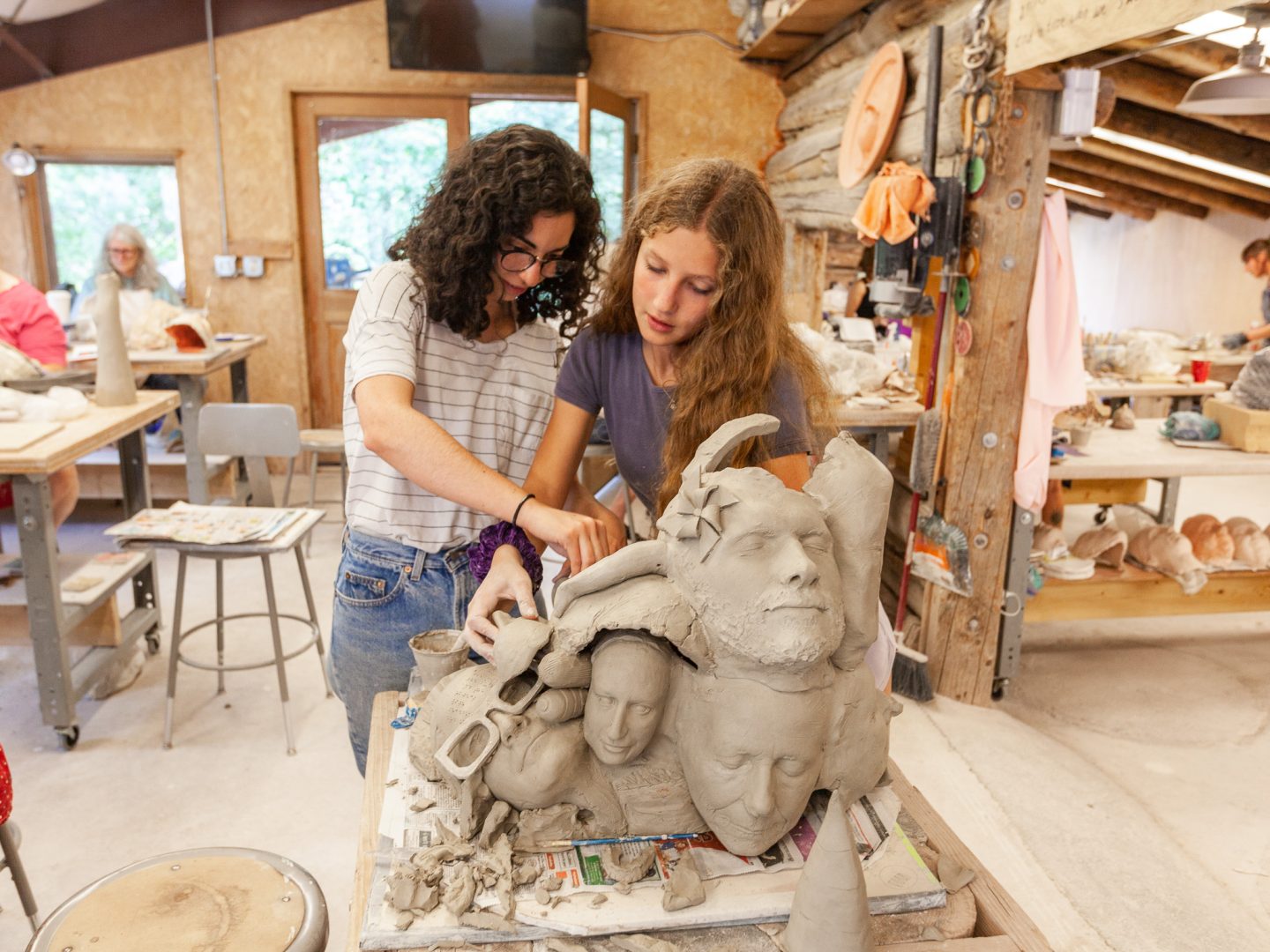
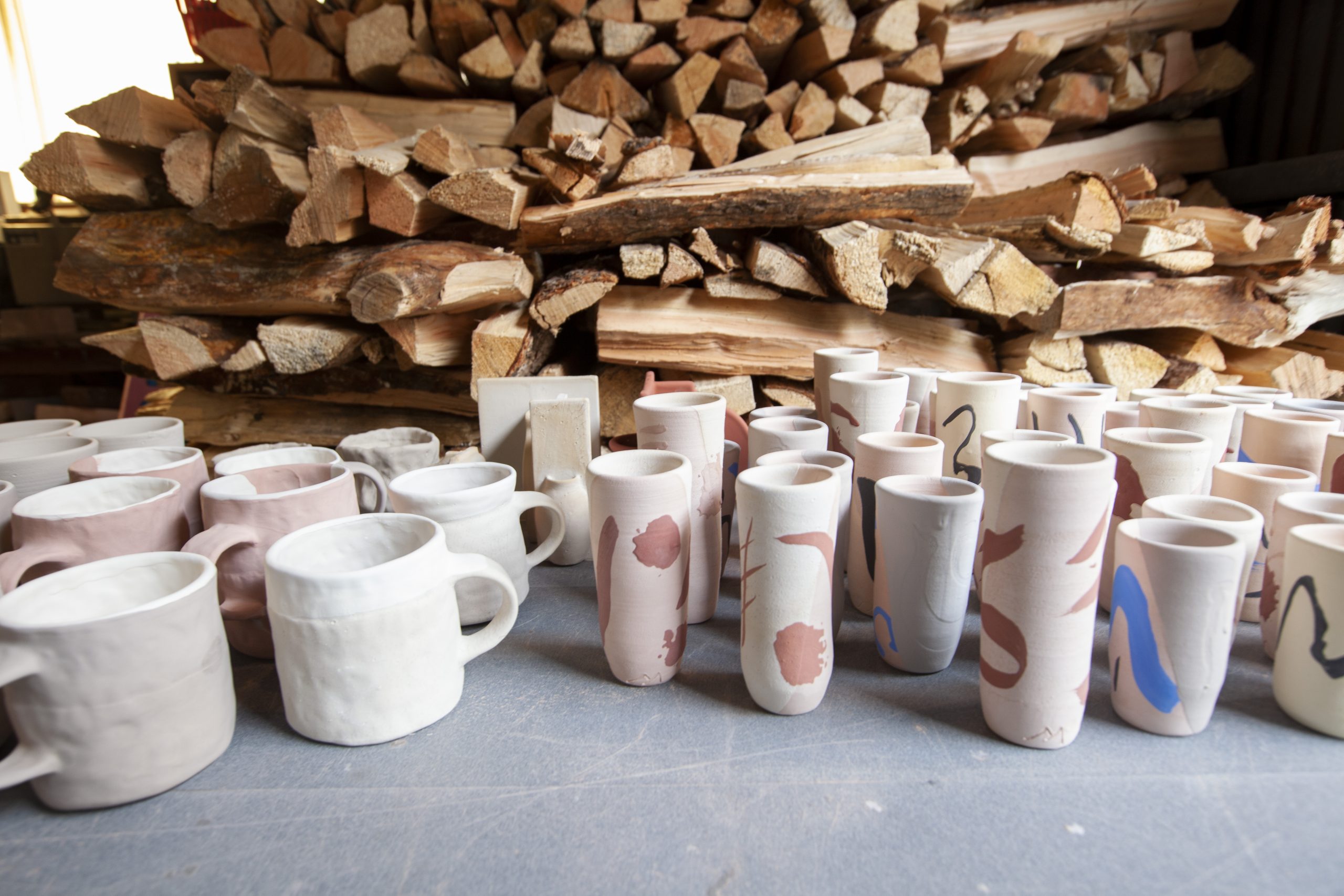
Young artists discover the endless possibilities in clay through its many creative forms, including functional ware and sculpture. This workshop, designed specifically for teens, introduces methods of handbuilding cups, mugs, and other forms. Participants learn basic coil, slab, extrusion, and pinch techniques as they develop skills and create from their imagination. Fun and informative, this workshop is for both beginning and experienced students who want to explore clay as an expressive medium.
Media & Techniques
Low fire clay, handbuilding, wheel throwing
Faculty
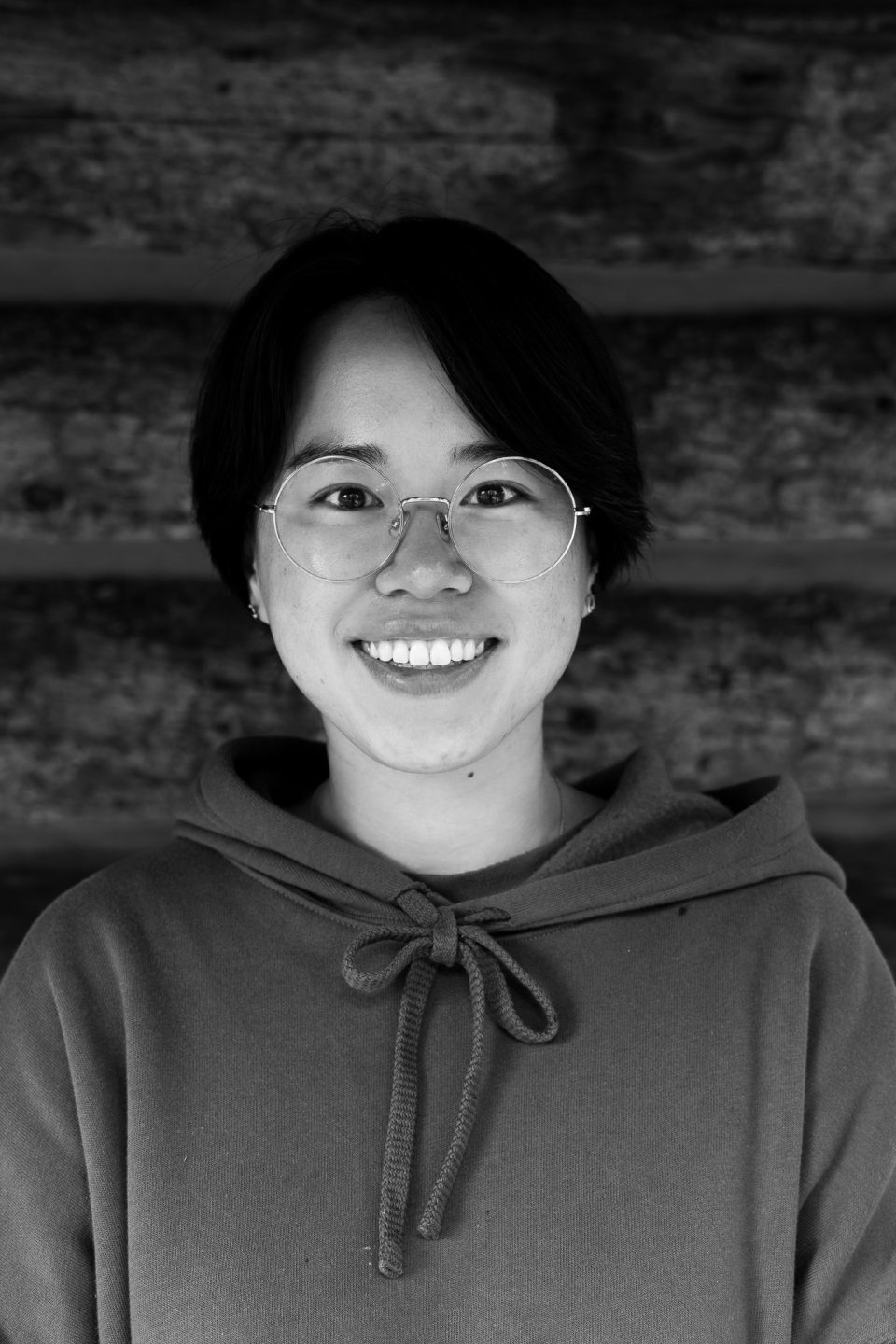
Joanne Seongweon Lee
Studio Coordinator, Ceramics
Originally from South Korea, Joanne Seongweon Lee received her MFA from Cranbrook Academy of Art and was awarded the Franz Rising Star Project Scholarship: Outstanding Performance in Porcelain Design. Lee attended residencies at the Korea Ceramics Foundation, Icheon Cerapia in Korea, and at Sonoma Ceramics in Sonoma, CA. Formerly an instructor at James Madison University in Harrisonburg, VA,she is currently ceramics coordinator at Anderson Ranch Arts Center.
Upcoming Workshops by Joanne Seongweon Lee
-
January Studio Sessions: Ceramics
Jan 4 - 29, 2027
Upcoming Workshops in Ceramics
-
January Studio Sessions: Ceramics
Jan 4 - 29, 2027
Workshop Details
Workshop Supplies
For general information about studio access, shipping, and more, please visit our info page.
If you have any questions regarding your supplies for your workshop, please contact Joanne Seongweon Lee, [email protected].
Provided by Anderson Ranch
Equipment
- Banding wheel
- Buckets
- Electric kilns
- Rolling pin
- Wareboards
Supplies
- The clay allowance is 50 pounds for this one-week workshop. Only the clays and glazes chosen for the workshop will be available for use, which are predetermined by the instructor. Please do not bring additional clay from your studio.
- Underglazes
What you need to bring
Required Tools and Supplies
- Apron and/or towels**
- Basic ceramics tools**
- Clothing: Wear something that you can get dirty**
- Sketbook/Notebook**
- Basic pottery tools**
Optional Tools and Supplies
- Light colored T-shirt for screen printing**
* Available for purchase in the studio.
** Available to purchase at the Anderson Ranch ArtWorks Store for 10% off. The store aims to stock comparable items, though specific products from the supply list may vary based on inventory.
Learn more about shipping supplies and artwork to and from the Ranch in the Student Handbook.
Scholarships, College Credit & Discounts
Making Art Accessible
Applications for scholarship support are encouraged. Specific scholarships are funded by Ranch supporters, either through endowed funds or special gifts.
Many colleges and universities offer college credit for workshops taken at Anderson Ranch. Discounts are available for students and teachers.
You Might Also Be Interested In

-
II
Level II
Students have a basic understanding of forming techniques, such as throwing and hand building. Students have taken one or two ceramics classes or workshops.
-
III
Level III
Students have significant experience with clay forming techniques, such as throwing, hand building and modeling. Students are comfortable with ceramics equipment, such as wheels, extruders and slab rollers. Students are self-starting with some formal training and have taken a minimum of three classes or workshops.
-
IV
Level IV
Students have advanced skills and knowledge of the ceramics field. Students are highly motivated, have a minimum of five years experience in the field and have a portfolio of their artwork. Typical students are academics and professional artists.
-
P
Portfolio Review Required
Students have advanced skills and knowledge of the ceramics field. Students are highly motivated, have a minimum of five years experience in the field and have a portfolio of their artwork. Typical students are academics and professional artists.
-
S
Studio Session
Jan 4 - 29, 20279 AM - 5 PM
January Studio Sessions: Ceramics
Joanne Seongweon Lee
Tuition $5,200
Code ZSC0101-27
Anderson Ranch’s January Studio Sessions provide artists the opportunity to work on independent projects while receiving mentoring and critique sessions with Anderson Ranch artistic staff and interns. Each participant receives an assigned studio space, orientation, and access to equipment, as well as some morning group demonstrations and / or critiques. This program affords artists the experience enjoyed by national and international artists who access our state-of-the-art studios. Participants may expand their practices, take artistic risks, try new media or complete works for exhibition. *Studios are open 24 hours a day and on weekends for students enrolled in multiple weeks, with limited use of equipment due to safety requirements. There are no staff hours or kiln-firing on weekends. IMPORTANT DETAILS: Students will be responsible for all material costs associated with their projects. Private dorm rooms are available at Anderson Ranch for an additional fee; click here to view January 2027 lodging options. Breakfasts and dinners are included in the dorm fee. Lunches are included in the studio fees. TO APPLY: Applicants must submit project proposals or portfolios for approval. Contact Betsy Alwin to apply: [email protected]