


Painting & Drawing
Code: D1124-24
-
O
Open to All
Students of any skill and knowledge level.
Gel Plate Printing and Collage
Aug 12 - 16, 2024Past
9AM - 5PM
Upcoming Workshops by Holly Hughes
Upcoming Workshops in Painting & Drawing
-
 January Studio Sessions: Painting & Drawing
Jan 4 - 29, 2027
January Studio Sessions: Painting & Drawing
Jan 4 - 29, 2027
-
 Advanced Mentored Studies: Topics in Painting: Studio Practice and Critique
Aug 9 - 13, 2027
Advanced Mentored Studies: Topics in Painting: Studio Practice and Critique
Aug 9 - 13, 2027
Concept
Gel Plate monotype is a low-tech, inventive, user-friendly printing method that offers kitchen table convenience for making art at home as well as portability for travel, with no press needed. Students learn all the basics and launch their work in this medium for fun and discovery of new directions, making finished prints and experimenting with imagery and motifs for other artistic practices like painting and ceramics. They also learn an “invisible” collage technique to combine works on paper into larger format works. Simple tools like brayers, rubber tipped clay shapers, brushes, and cut paper allow for complex layered prints.
View All Painting & Drawing Workshops
Media & Techniques
Gel plate printing, collage, stenciling, techniques including splicing and in-painting
Supply ListFaculty
Holly Hughes
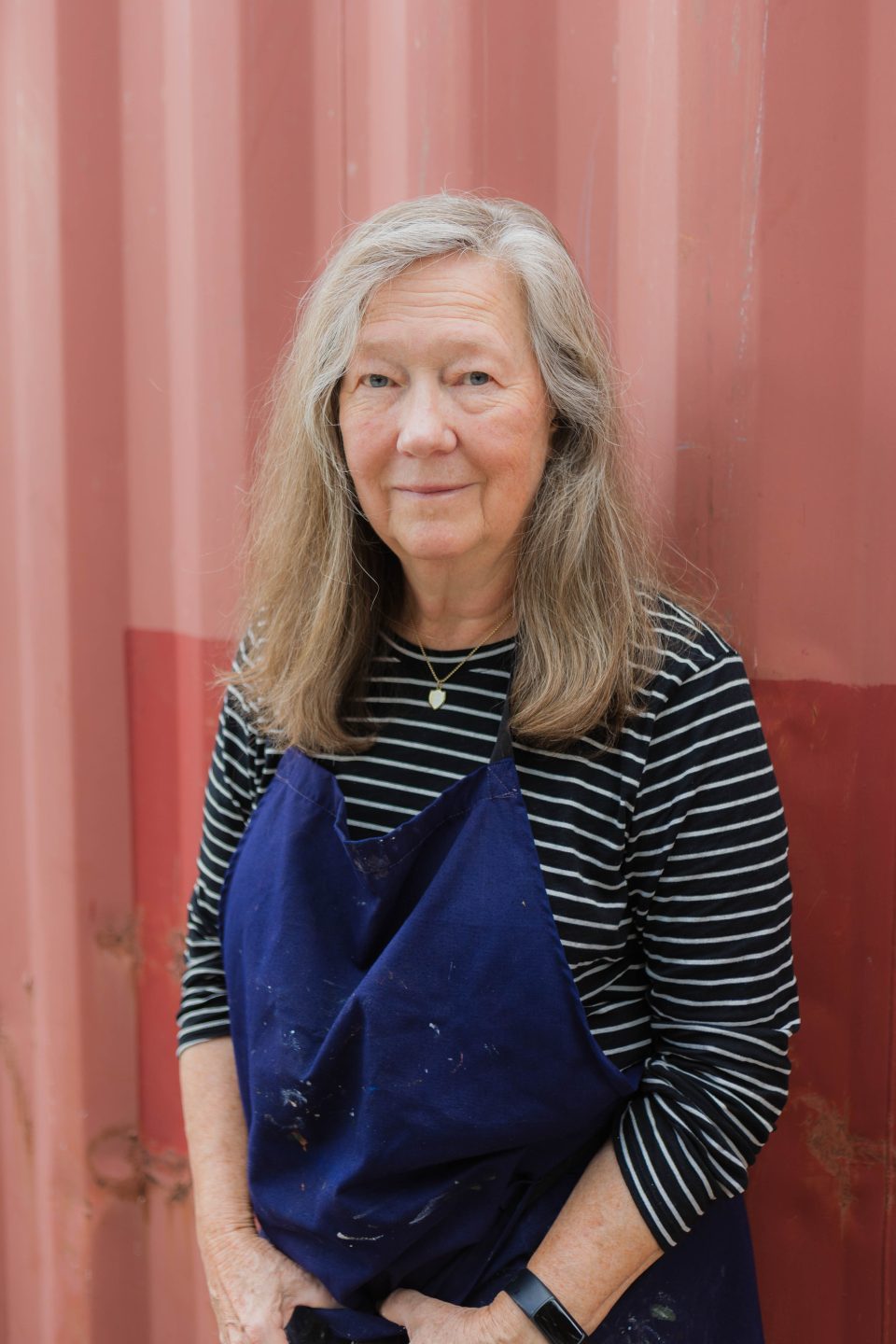
Holly Hughes is a frequent Ranch faculty member and professor emeritus of painting at Rhode Island School of Design. Having exhibited nationally and internationally, Hughes’s painting has been greatly influenced by both ceramic and printmaking practice and research. She loves “Salon Style” installations—the mixing of these genres on the wall—such as her BLAZON created for the Dorsky Museum. Her most recent exhibit was “Salad Days” at Pamela Salisbury Gallery in 2024.

Holly Hughes, The Curtsy
Upcoming Workshops by Holly Hughes
Upcoming Workshops in Painting & Drawing
-
January Studio Sessions: Painting & Drawing
Jan 4 - 29, 2027
-
Advanced Mentored Studies: Topics in Painting: Studio Practice and Critique
Aug 9 - 13, 2027
Workshop Details
Workshop Supplies
For general information about studio access, shipping, and more, please visit our info page.
If you have any questions regarding your supplies for your workshop, please contact Lindsey Yeager, [email protected].
Lodging & Meals
Housing is limited and includes shared and private lodging options. Reservations will be managed on a first-come, first-served basis. The earlier you reserve housing, the better your chance of receiving your preferred option. Please note: Workshop costs do not include accommodations.
NEW: Course fees includes a welcome dinner and lunches. In our effort to foster a stronger sense of community and accessibility at Anderson Ranch, we include the welcome dinner and all lunches as part of course fees for summer workshop students. Our hope is that this adjustment will encourage all students to come together to share meals and engage in meaningful conversations. The Ranch Café Meal Plan, which is included with Room and Board fees, strives to provide healthy, creative meals that will nourish your artistic creativity. Learn more.
We have established a Business Safety Plan with added layers of precaution that prioritize the health and safety of our staff, students, faculty and guests while continuing to provide you with the Anderson Ranch experience that you know and enjoy.
Painting & Drawing


Painting & Drawing Studio in Aspen / Snowmass
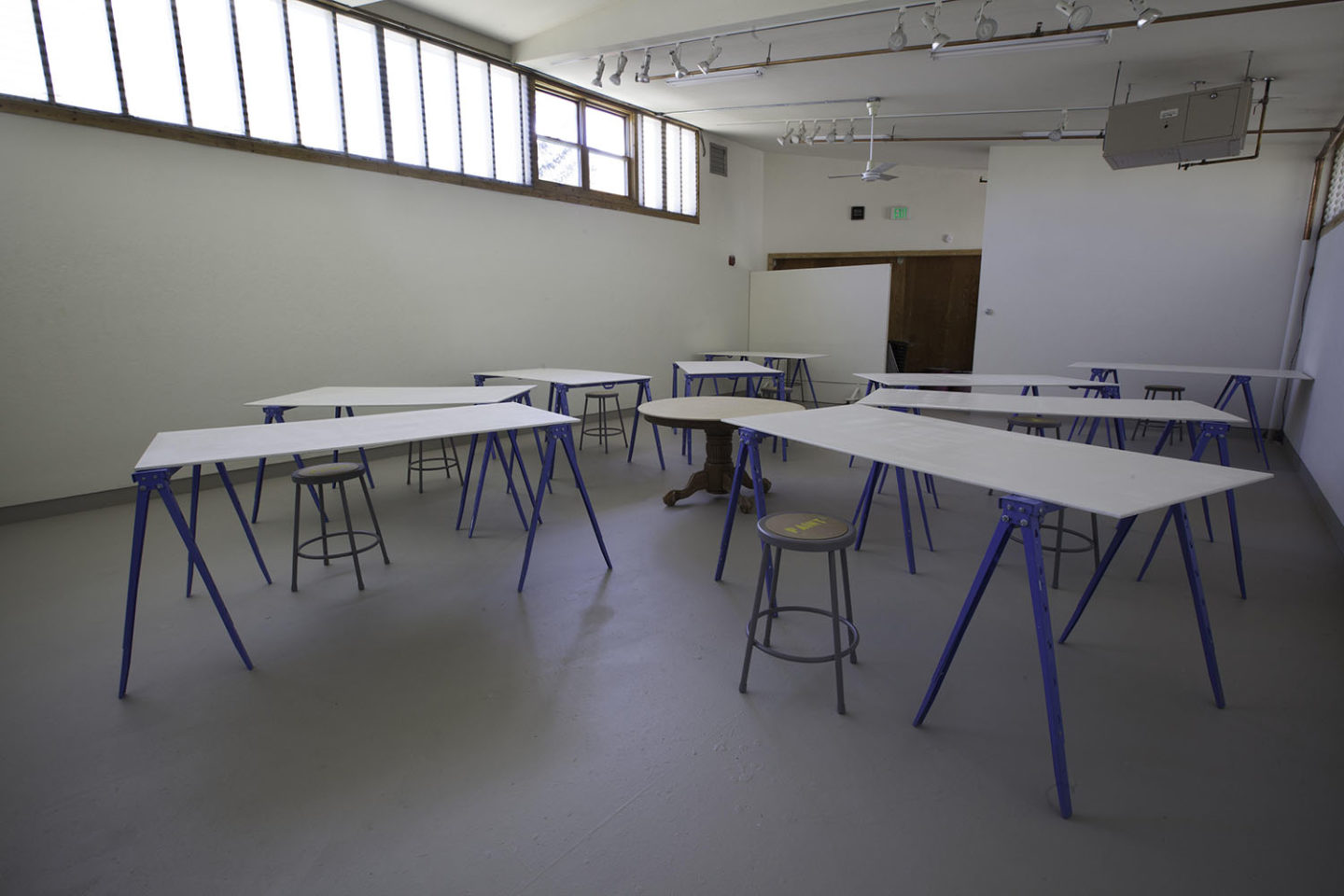
The Painting & Drawing Studio at Anderson Ranch Arts Center, located in Snowmass Village near Aspen, Colorado, is a professional studio environment designed to support immersive artistic practice across a wide range of media. The space provides dedicated work areas, natural light, and technical infrastructure for artists working in oil, acrylic, watercolor, mixed media, and drawing.
Interested in enrolling? Explore the full schedule of Painting & Drawing workshops at Anderson Ranch.
Make, reflect, consider, engage—these are all critical elements of the Painting and Drawing workshops at Anderson Ranch. Our exceptional workshops combine focused, hands-on art making with critical feedback for artists of all levels. Painting and Drawing guest faculty are phenomenal artists and educators with experience supporting students by offering technical knowledge and encouragement.
The bright, natural light of the Wyly Painting and Drawing Building provides an inspiring environment where students can explore and expand their artistic practice. Our facilities are equipped with individual worktables, wall space, easels, rolling palettes, odorless solvents, a wide range of hand tools, computer access with Adobe software, wifi, printing, scanning, and projection capabilities. Spend a week here— or several—and engage in a variety of activities that will fuel your practice throughout the year.
Don’t know where to start? View the skill levels for Painting and Drawing workshops.
Anderson Ranch Arts Center is a historic, rustic campus that features gravel pathways and uneven terrain that may pose challenges for individuals using wheelchairs or other mobility devices. We strive to provide accommodations to ensure all guests can access and enjoy our programs and facilities. With advance notice, our staff can offer personalized assistance and coordinate access to studios and campus spaces. For questions or to request an accommodation, please contact us at (970) 923-3181 or [email protected].
Scholarships, College Credit & Discounts
Making Art Accessible
Applications for scholarship support are encouraged. Specific scholarships are funded by Ranch supporters, either through endowed funds or special gifts.
Many colleges and universities offer college credit for workshops taken at Anderson Ranch. Discounts are available for students and teachers.
You Might Also Be Interested In

-
P
Portfolio Review Required
Students have advanced skill and knowledge of painting and drawing. Students are highly motivated, have a minimum of five years experience in the field and have a portfolio of their artwork. Typical students are academics and professional artists.
-
S
Studio Session
Jan 4 - 29, 20279 AM - 5 PM
January Studio Sessions: Painting & Drawing
Lindsey Yeager
Tuition $5,200
Code ZSD0101-27
Anderson Ranch’s January Studio Sessions provide artists the opportunity to work on independent projects while receiving mentoring and critique sessions with Anderson Ranch artistic staff. Each participant receives an assigned studio space, orientation and access to equipment, as well as some morning group demonstrations and / or critiques. This program affords artists the experience enjoyed by national and international artists who access our state-of-the-art studios. Participants may expand their practices, take artistic risks, try new media or complete works for exhibition. *Studios are open 24 hours a day and on weekends for students enrolled in multiple weeks, with limited use of equipment due to safety requirements. IMPORTANT DETAILS: Students will be responsible for all material costs associated with their projects. Private dorm rooms are available at Anderson Ranch for an additional fee; click here to view January 2027 lodging options. Breakfasts and dinners are included in the dorm fee. Lunches are included in the studio fees. TO APPLY: Applicants must submit project proposals or portfolios for approval. Contact Liz Ferrill to apply: [email protected]

-
IV
Level IV
Students have advanced skill and knowledge of painting and drawing. Students are highly motivated and self-directed, have a minimum of five years experience in their field and have multiple portfolios of their artwork. Portfolio review is required for admittance to some Level IV classes.
-
P
Portfolio Review Required
Students have advanced skill and knowledge of painting and drawing. Students are highly motivated, have a minimum of five years experience in the field and have a portfolio of their artwork. Typical students are academics and professional artists.
-
AMS
Advanced Mentored Studies
Aug 9 - 13, 20279AM - 5PM
Advanced Mentored Studies: Topics in Painting: Studio Practice and Critique
Holly Hughes, Stephen Westfall
Tuition $2,600
Code D1101-27
The third year of this three-year advanced mentorship program encourages each student to push their studio practice. Working at a rigorous pace, engaging in critical dialog with the group and with the instructors in individual critique, artists refine and expand their investigations. Wide-ranging topics include concept and approach to contemporary art practice as well as technical and material explorations. Students are expected to work independently with the support of their class peers and instructors, raising the ambition of their own studio goals. Although primarily a painting workshop, participation by installation artists and other artists working across media is encouraged. The goal of the series is for students to gain community, develop insight into their work and, through discussion, challenge themselves to reflect on their artistic intentions. COURSE COMPONENTS • Engage in a rigorous practice • Push your work to new levels • Participate in critiques and discussions IS THIS WORKSHOP FOR YOU? The AMS program is a good fit for advanced artists who want to push their practice to the next level through the critique, mentorship, and camaraderie of a sustained cohort and faculty.