


Ceramics
Code: C0101-22
-
IV
Level IV
Students have advanced skills and knowledge of the ceramics field. Students are highly motivated, have a minimum of five years experience in the field and have a portfolio of their artwork. Typical students are academics and professional artists.
-
MC
Master Class
Master Class
Between the Idea and Making: Maintaining the Dialogue
Jun 6 - 17, 2022
9AM-5PM
Concept
This workshop focuses on the exchange of ideas involved in working in clay related to form and function with sculptural intention. Demonstrations cover the use of the wheel and the hand-building construction. Instructors Randy and Jan Johnston explore their process through dialogue and conversations between each other and the participants. Discussions look at why one chooses their object, and how life experiences inform the artist’s journey. This is a rare opportunity to spend uninterrupted time with internationally recognized ceramic artists and affords students a unique exploration of clay, expanding their knowledge of new and traditional techniques, including surface decorations, wood firing, soda, gas and glaze as well as understanding a deeper relationship to contemporary ceramics.
To attend a Master Class workshop, a portfolio review is due by Friday, February 11th, 2022. Instructions on how to submit your portfolio are as follows:
- Submit digital images of your work in one single PDF (as opposed to individual JPG attachments) via email directly to Anderson Ranch Studio Coordinator, Louise Deroualle at
[email protected]. - The single PDF must be less than 10 MB to be considered.
- Include 5-10 images of your work with image identification that lists the title, media, dimensions and year of each image.
- While not required, it is helpful to see an artist statement addressing the images you send.
- Include “Advanced Portfolio Review” in the subject line of your email, as well as the title of the workshop for which you are applying.
- Please provide a phone number where you can be reached and a link to your website.
Submissions that do not follow the requested directions will not be reviewed. To be considered, we must receive portfolios by 5 PM MST Friday, Feb. 11th, 2022. If we receive your materials after Feb. 11th, you will be considered on a space-available basis.
We will email you regarding your status on or before Friday, Feb. 25, 2022. If you are accepted, a deposit of $500 will be required within one week of notification of acceptance to hold your place. Housing will be assigned on a space-available basis upon enrollment.
Media & Techniques
Wheel-throwing, hand-building, stoneware, slips and glazes, reduction gas and wood-soda firing to cone 10 (conditions permitting)
Supply ListFaculty
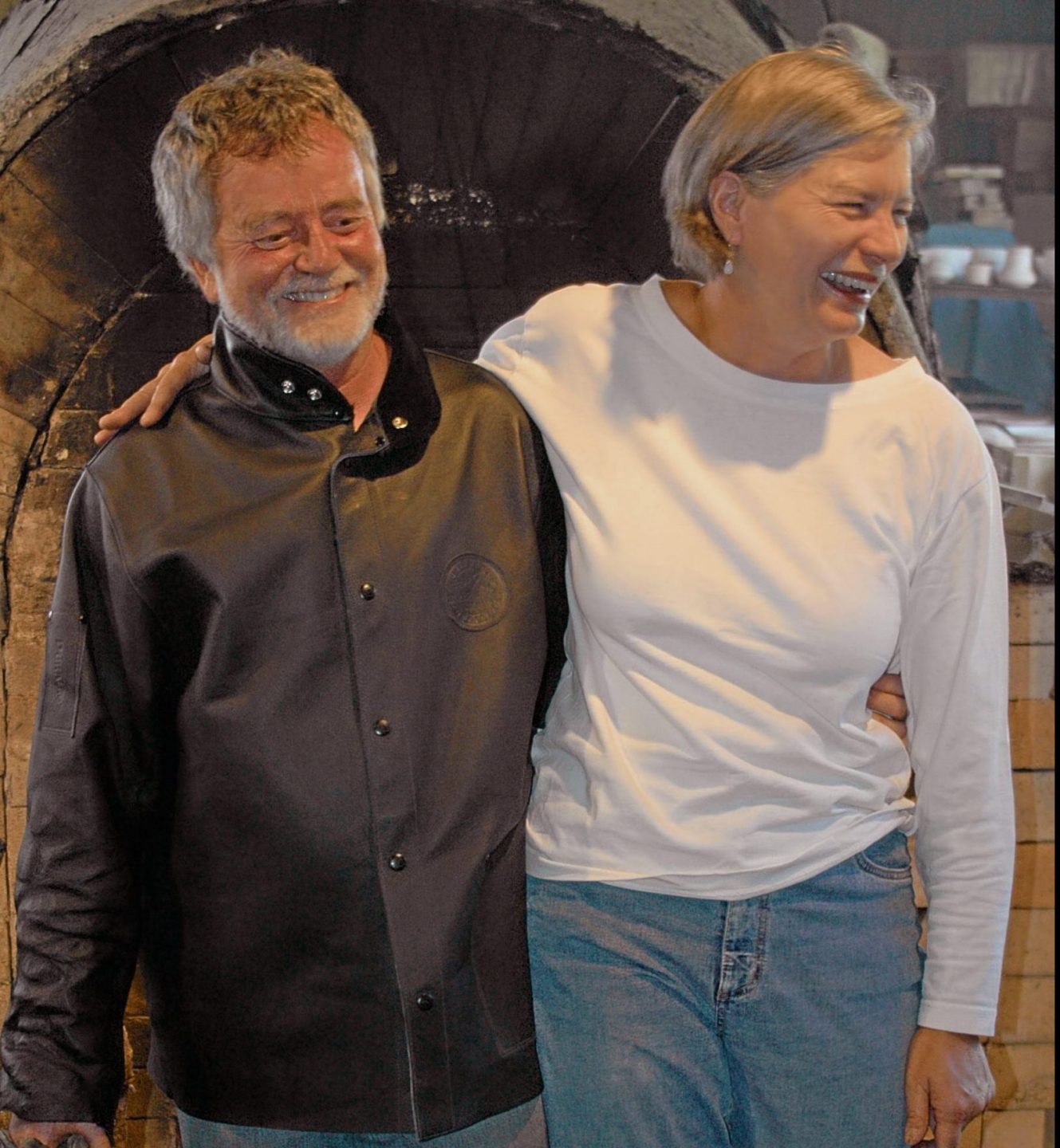
Jan and Randy Johnston
Jan McKeachie Johnston: Since 1979, Jan McKeachie Johnston has been active in teaching workshops across the United States and Chile. For the past 40 years she has participated in important national and international exhibitions and her work has also been featured in Clay Times and Ceramics Monthly. Randy Johnston: Randy Johnston is an internationally-recognized artist and the recipient of numerous awards, including the Bush Foundation Artist Fellowship, two Visual Artist Fellowships from the National Endowment for the Arts, and a Distinguished Teaching Award in American Arts from the James Renwick Society of the Smithsonian. Randy is a member of the International Academy of Ceramics and his work is in numerous international museums and private collections.

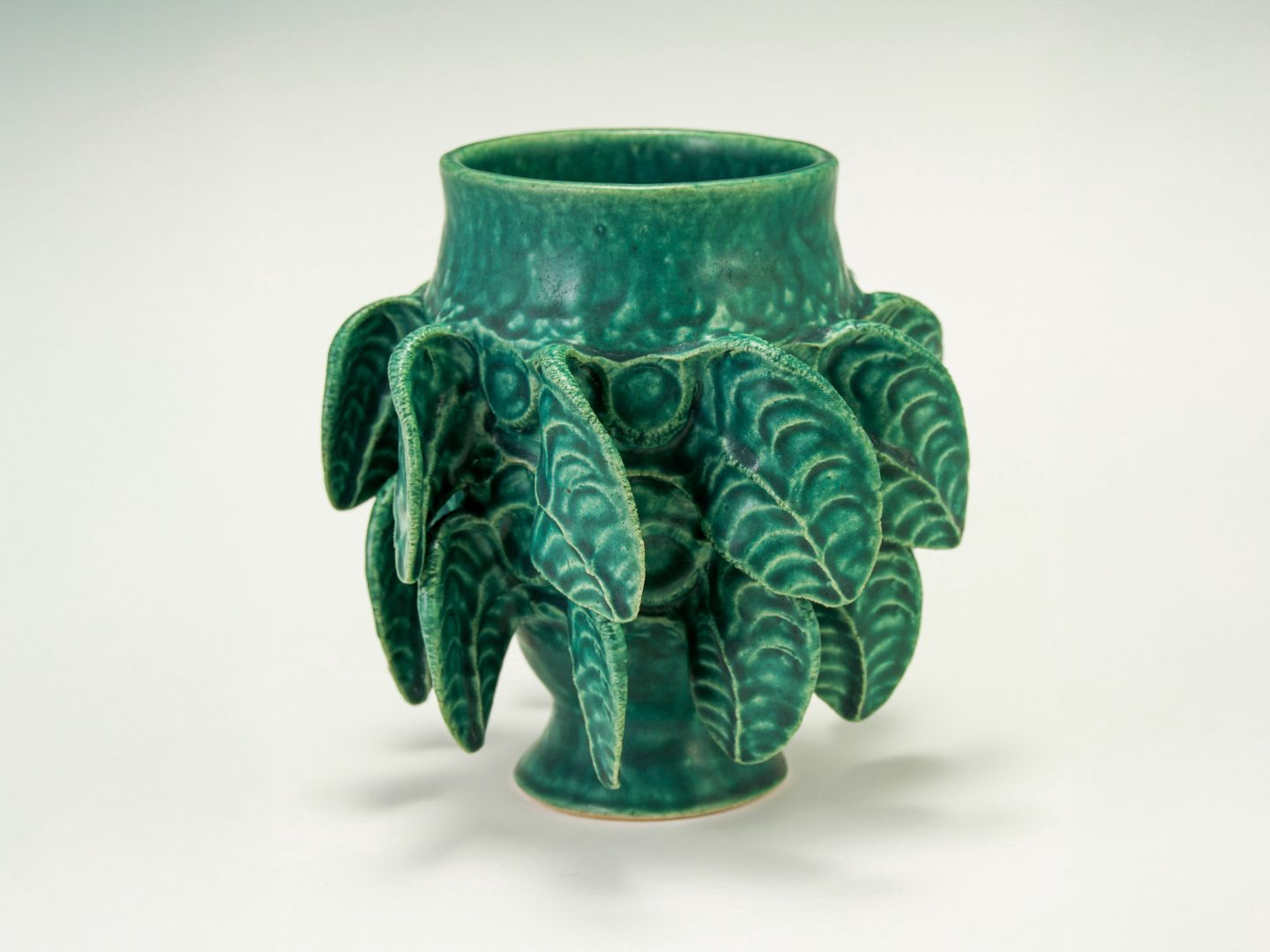
Jan McKeachie Johnston, Caterpillar vase
Workshop Details
Workshop Supplies
For general information about studio access, shipping, and more, please visit our info page.
If you have any questions regarding your supplies for your workshop, please contact Joanne Seongweon Lee, [email protected].
Lodging & Meals
Housing is limited and includes shared and private lodging options. Reservations will be managed on a first-come, first-served basis. The earlier you reserve housing, the better your chance of receiving your preferred option. Please note: Workshop costs do not include accommodations.
NEW: Course fees includes a welcome dinner and lunches. In our effort to foster a stronger sense of community and accessibility at Anderson Ranch, we include the welcome dinner and all lunches as part of course fees for summer workshop students. Our hope is that this adjustment will encourage all students to come together to share meals and engage in meaningful conversations. The Ranch Café Meal Plan, which is included with Room and Board fees, strives to provide healthy, creative meals that will nourish your artistic creativity. Learn more.
We have established a Business Safety Plan with added layers of precaution that prioritize the health and safety of our staff, students, faculty and guests while continuing to provide you with the Anderson Ranch experience that you know and enjoy.
Ceramics
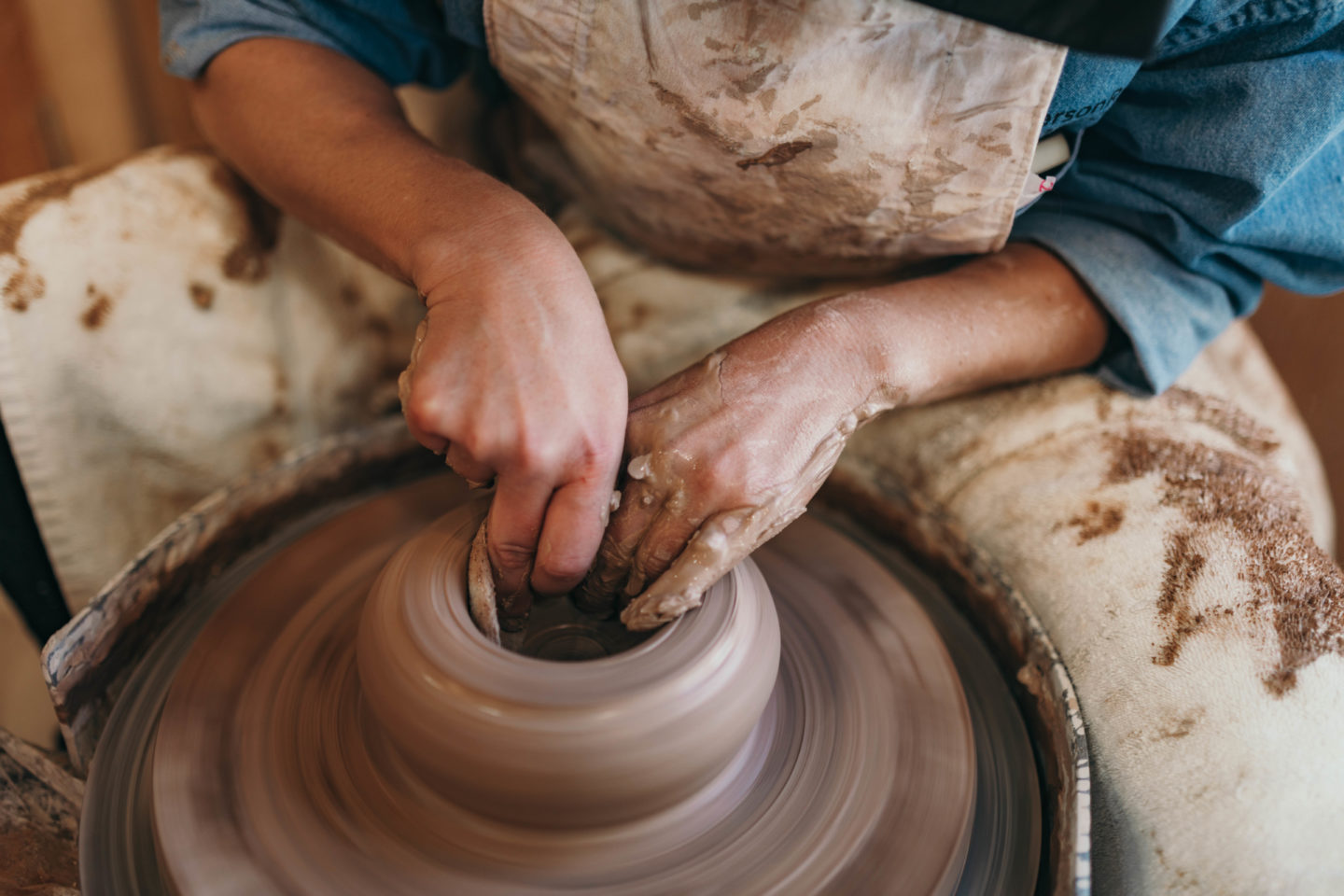
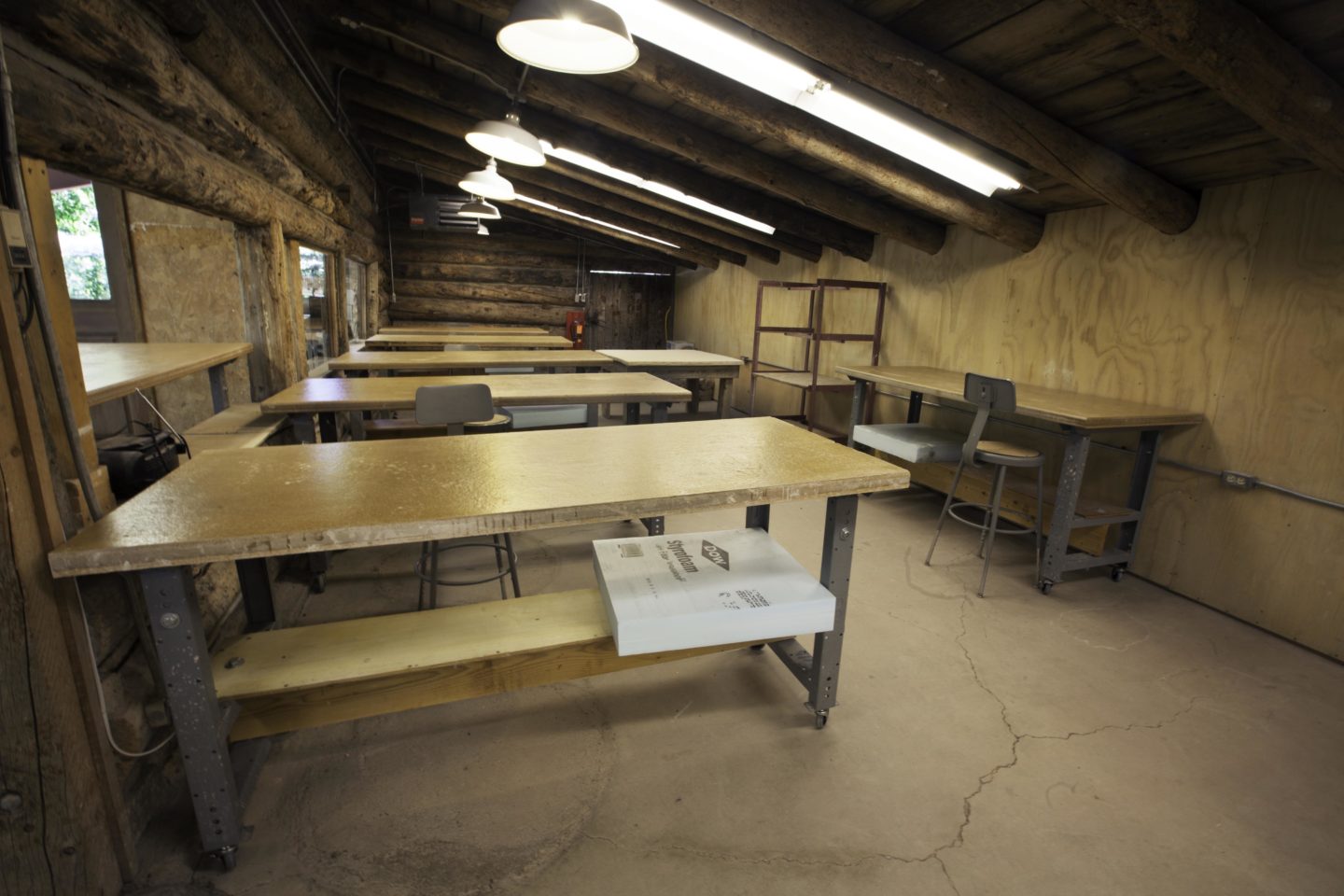
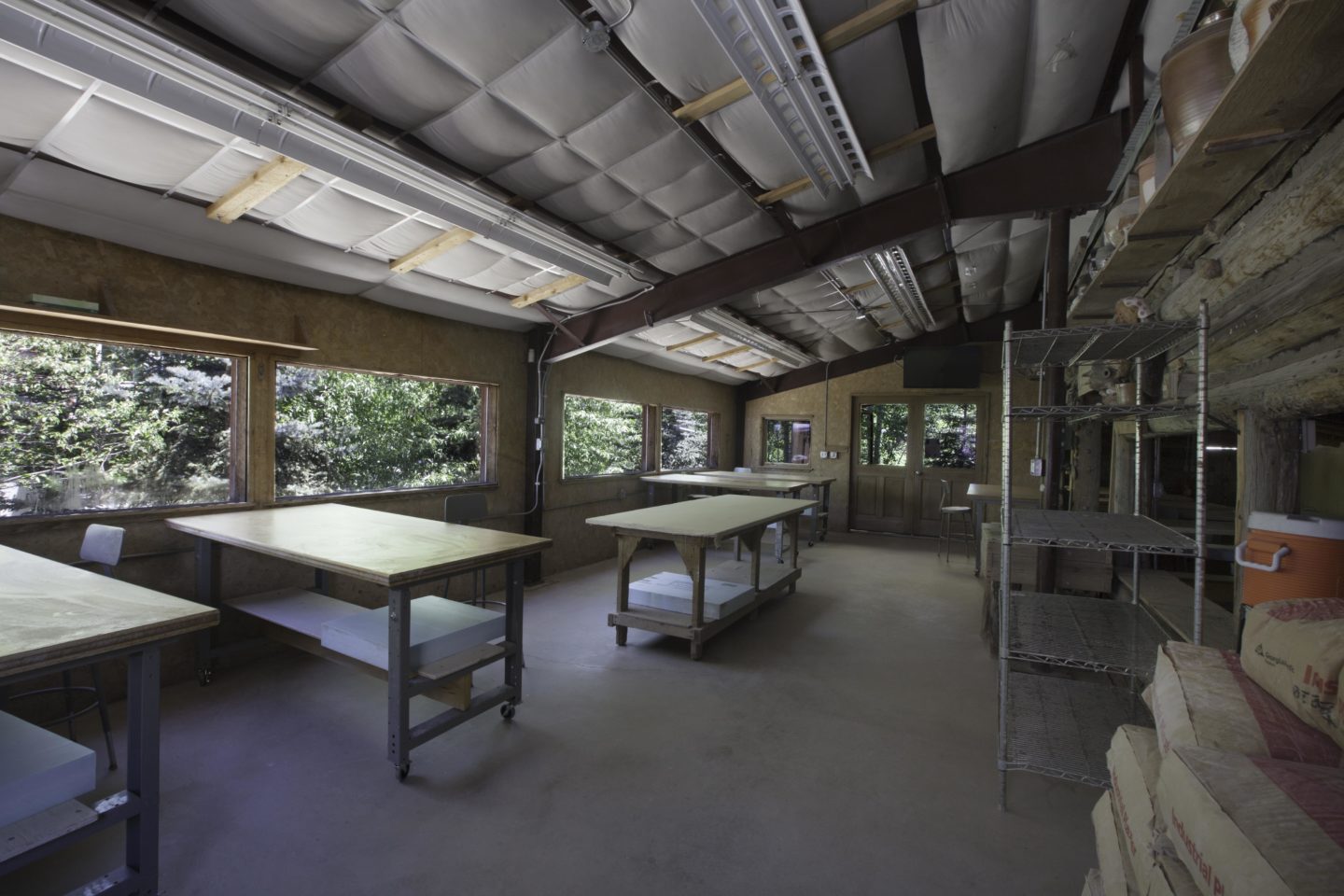


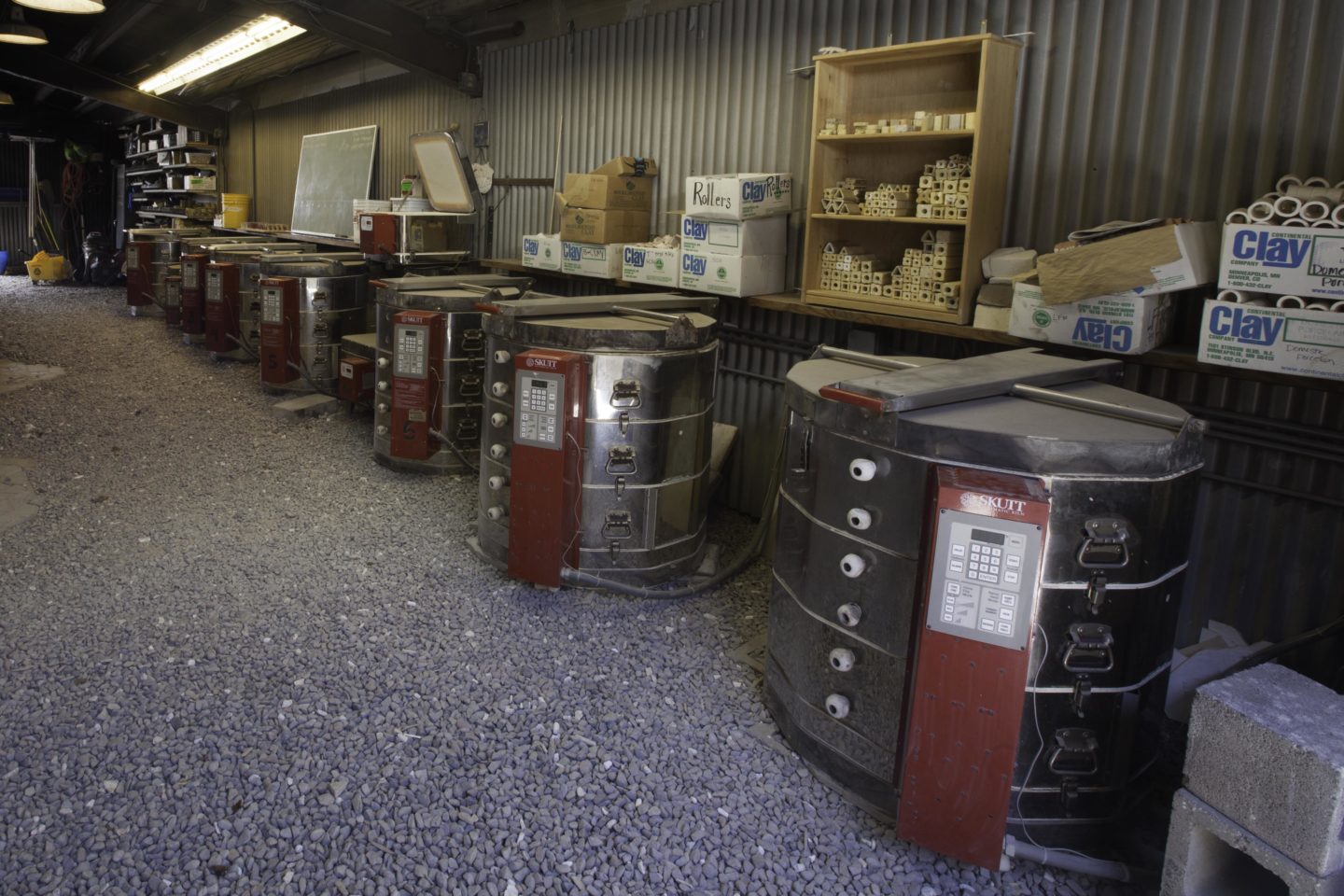
Ceramics Studio at Anderson Ranch, Aspen / Snowmass
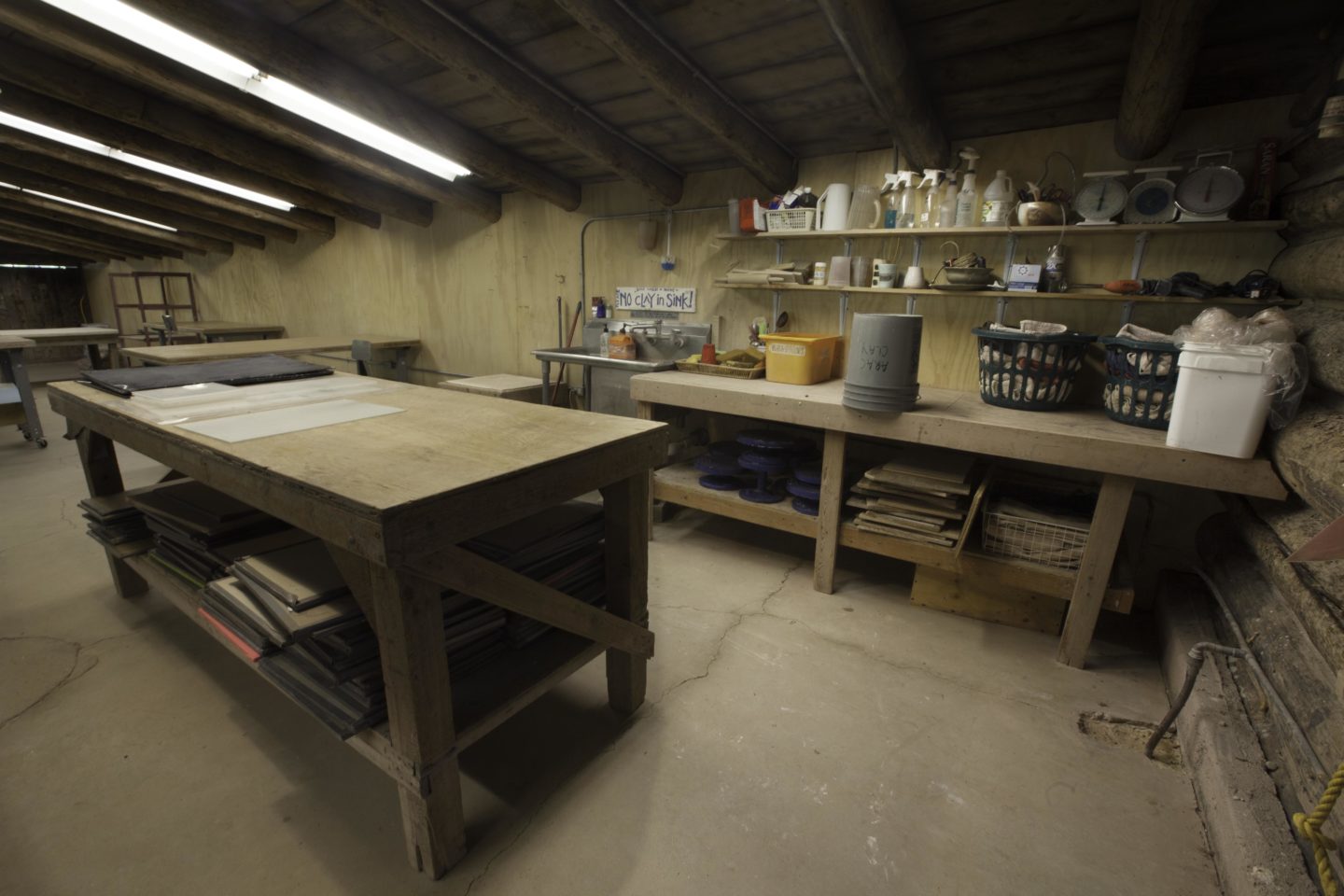
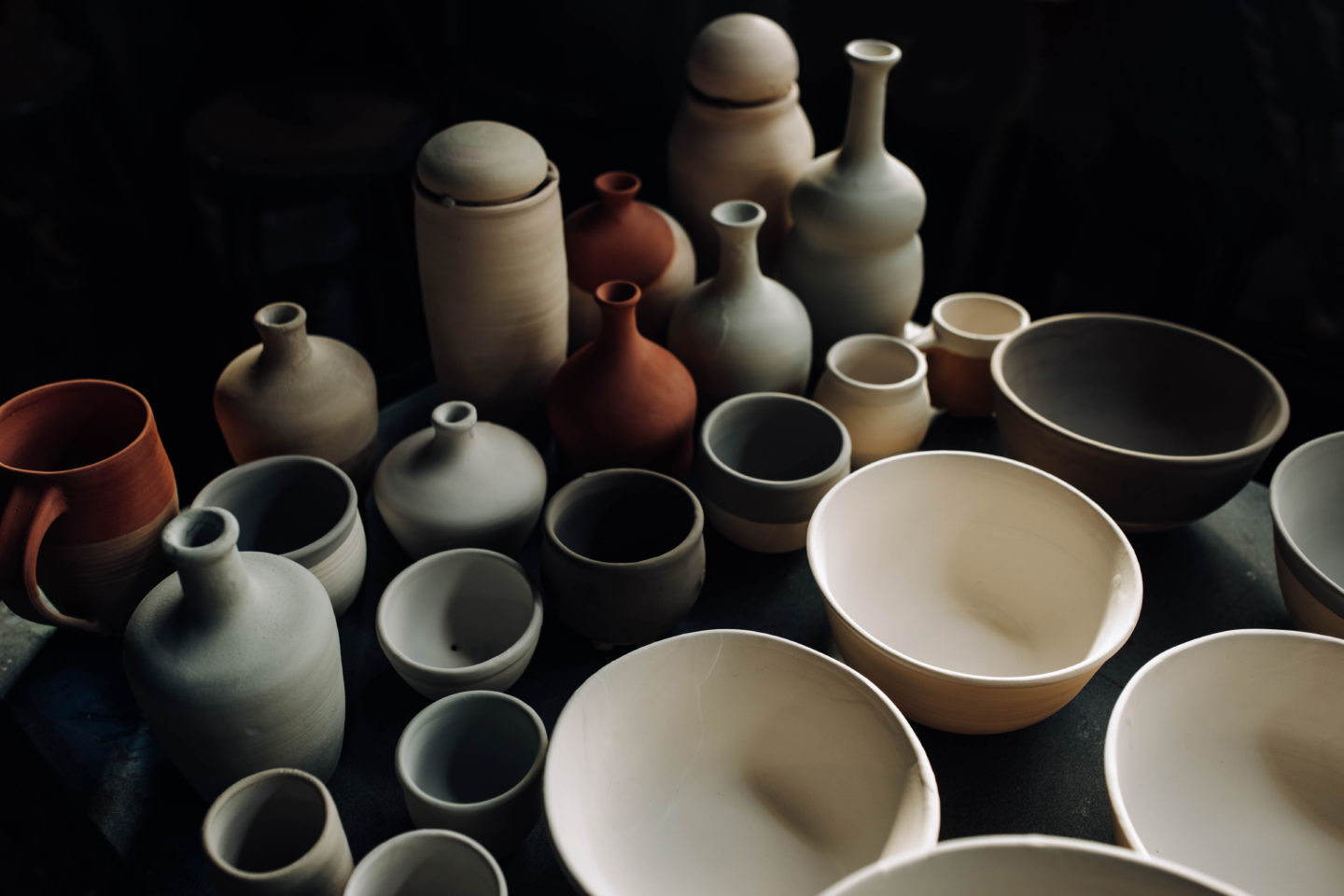
The ceramics studio at Anderson Ranch Arts Center, located in Snowmass Village near Aspen, Colorado, is a fully equipped professional ceramics studio designed to support immersive workshops and advanced studio practice. The facility offers dedicated workspaces, high-quality kilns, glazing areas, and technical infrastructure for artists working in clay across a range of processes and firing methods.
Interested in enrolling? Explore the full schedule of Ceramics Workshops at Anderson Ranch.
In 1966, American ceramicist Paul Soldner selected the site for what is now Anderson Ranch Arts Center, forming the foundation for a thriving ceramics program. Then and now, Anderson Ranch is a place where students exchange ideas and examine ceramic art and pottery techniques. It has always been a place where seminal moments of growth happen in an artist’s creative and critical thinking. Here, both beginning and emerging artists gain strong fundamental support, while established artists achieve new perspectives and advance their techniques.
The Ranch Ceramics team provides support, feedback and technical problem-solving, giving each artist the freedom to experiment and grow. Our primary focus is on personal advancement through a process of creative discovery.
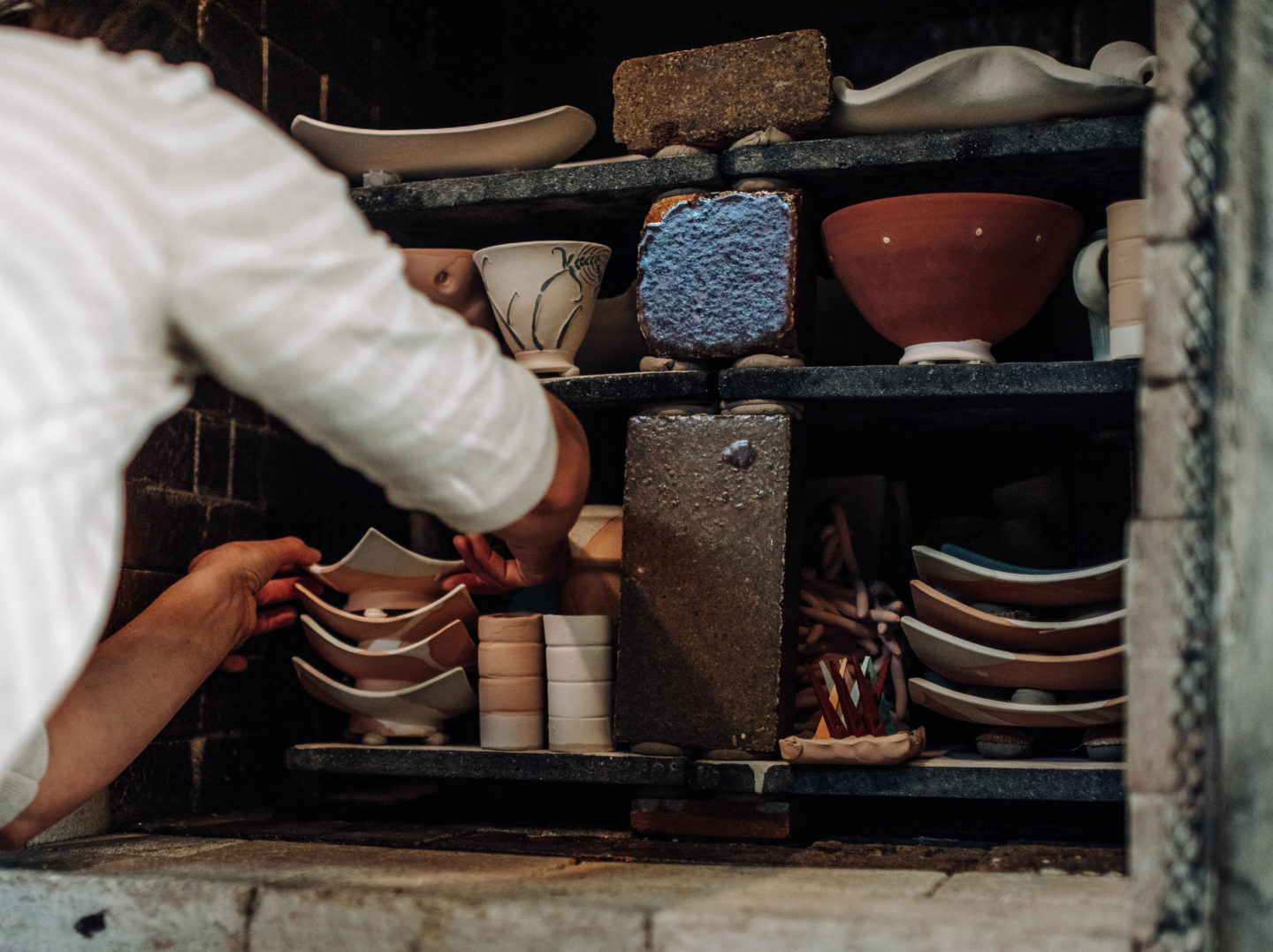
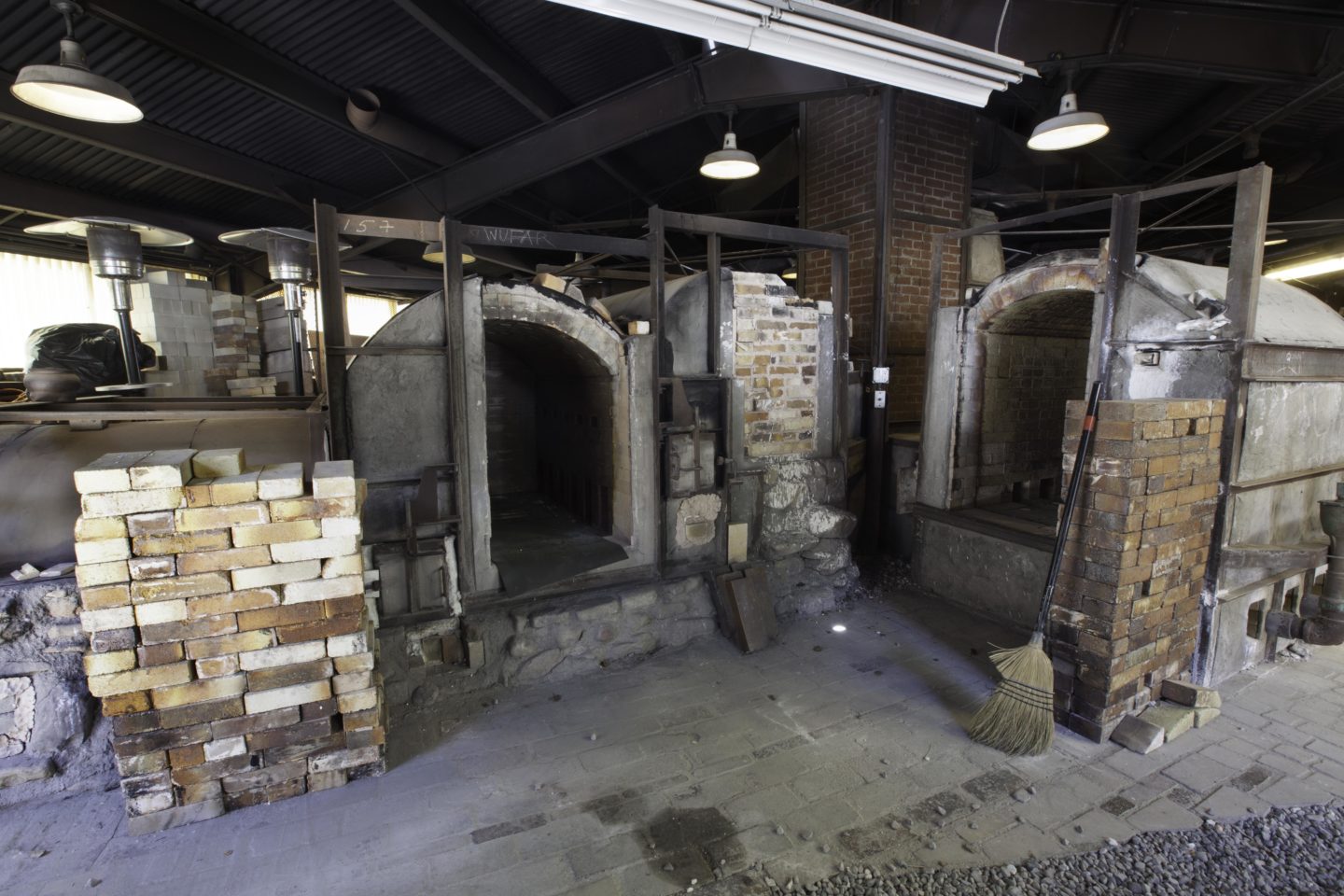
The Soldner Ceramics Center makes up more than 10,000 square feet in three buildings with 3 studio spaces and 1 kiln yard; Soldner Studio, Long Studio, Sorenson Studio and Lyeth/Lyon Kiln Building. Soldner and Long studios are used for wheel-throwing, hand-building, or general ceramics creativity. Sorenson studio is equipped with five PotterBot 3d clay printers. The Lyeth/Lyon kiln building is equipped with gas, electric, soda and wood kilns for both oxidation and reduction firing at all temperature ranges. The Ranch offers three wood kilns including a gas/wood hybrid kiln, three gas reduction kilns, one soda kiln and eleven high-temperature electric kilns.
Don’t know where to start? View the skill levels for ceramics workshops.
Anderson Ranch Arts Center is a historic, rustic campus that features gravel pathways and uneven terrain that may pose challenges for individuals using wheelchairs or other mobility devices. We strive to provide accommodations to ensure all guests can access and enjoy our programs and facilities. With advance notice, our staff can offer personalized assistance and coordinate access to studios and campus spaces. For questions or to request an accommodation, please contact us at (970) 923-3181 or [email protected].
Anderson Ranch is happy to extend a 20% tuition discount for summer one- or two-week adult ceramics workshops for NCECA members at the student membership level or above. Please email [email protected] with your NCECA membership information prior to registering and we will send you a promo code to complete registration with your discount applied. You are also welcome to call 970-924-5089 to register after verifying your membership with us. **Please note, this discount must be approved prior to registering and cannot be applied retroactively. NCECA discount does not apply to Advanced Mentored Studies programs or Destination Workshops, nor can it be combined with any other discount, scholarship or special offer.
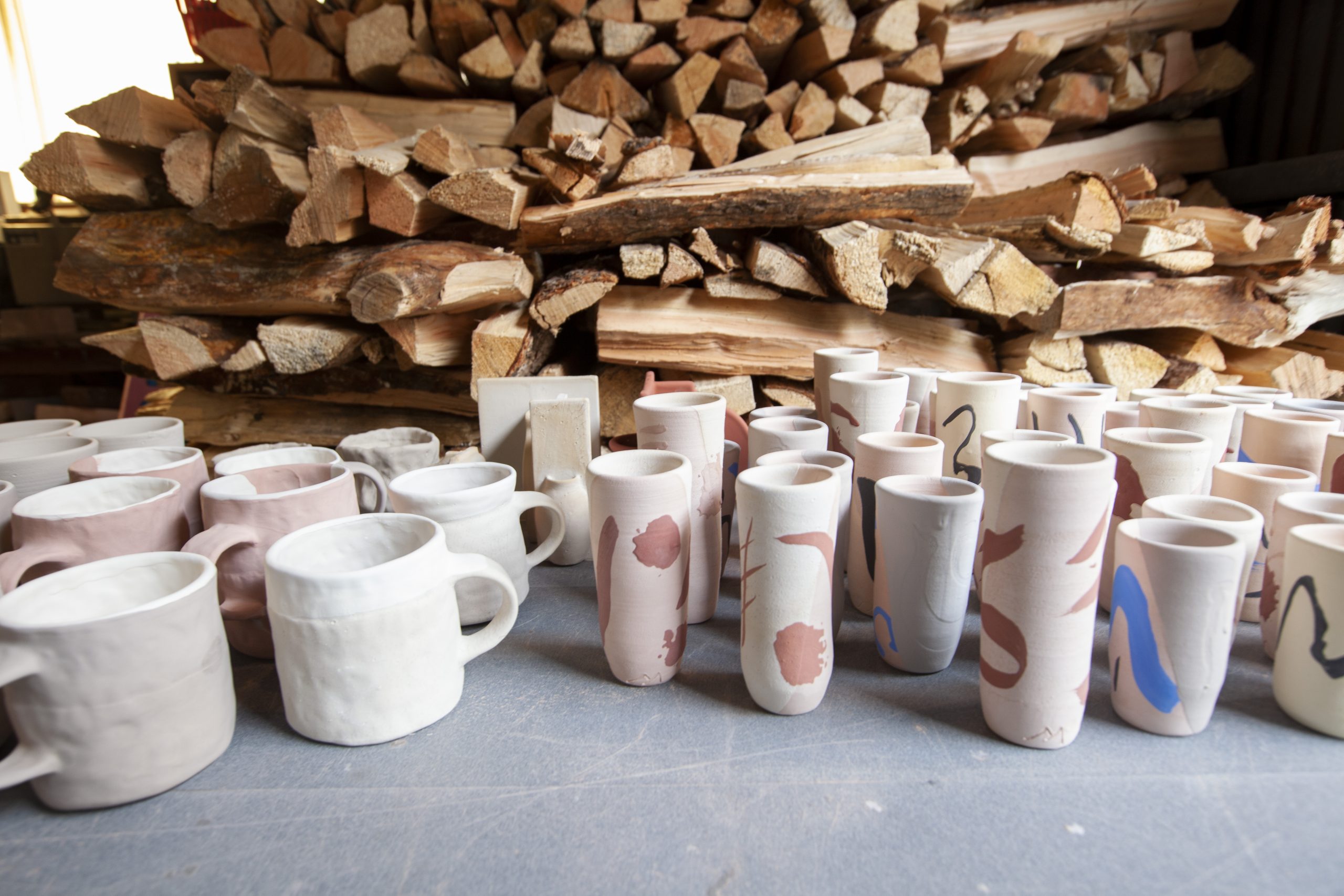
Scholarships, College Credit & Discounts
Making Art Accessible
Applications for scholarship support are encouraged. Specific scholarships are funded by Ranch supporters, either through endowed funds or special gifts.
Many colleges and universities offer college credit for workshops taken at Anderson Ranch. Discounts are available for students and teachers.
You Might Also Be Interested In
-
I
Level I
Students are new to ceramics and have no formal training.
-
II
Level II
Students have a basic understanding of forming techniques, such as throwing and hand building. Students have taken one or two ceramics classes or workshops.
Jun 1 - 12, 2026
9 AM - 5 PM
Hand Turned Ceramics
Paul Briggs
Tuition $1,795
Code C0101-26
This class teaches unique pinch forming methods that resemble how clay is pulled up on the wheel. Through patience and practice, students learn how to achieve scale and bold form, and move beyond the usual 3" pinch-formed pot to pinch up to 5lbs of clay, growing a pot from one ball without adding or subtracting material. Creating both functional and sculptural objects, we engage in the merging of ideas and form, of merging inside and outside, and of subtle metaphor. Glazing and firing will be mid-range oxidation.
-
III
Level III
Students have experience with a variety of materials and fabrication techniques and know how to use hand and power tools competently and safely. Students are self-starting with some formal training in critical aspects of sculpture and have a portfolio of artwork. Students have taken a minimum of three classes or workshops.
-
IV
Level IV
Students have advanced skills and knowledge of sculpture. Students are highly motivated, have a minimum of five years experience in the field and have multiple portfolios of their artwork. Typical students are academics and professional artists.
Jun 1 - 12, 2026
9 AM - 5 PM
Building with Clay and Steel
Trey Hill
Tuition $2,250
Code S0102-26
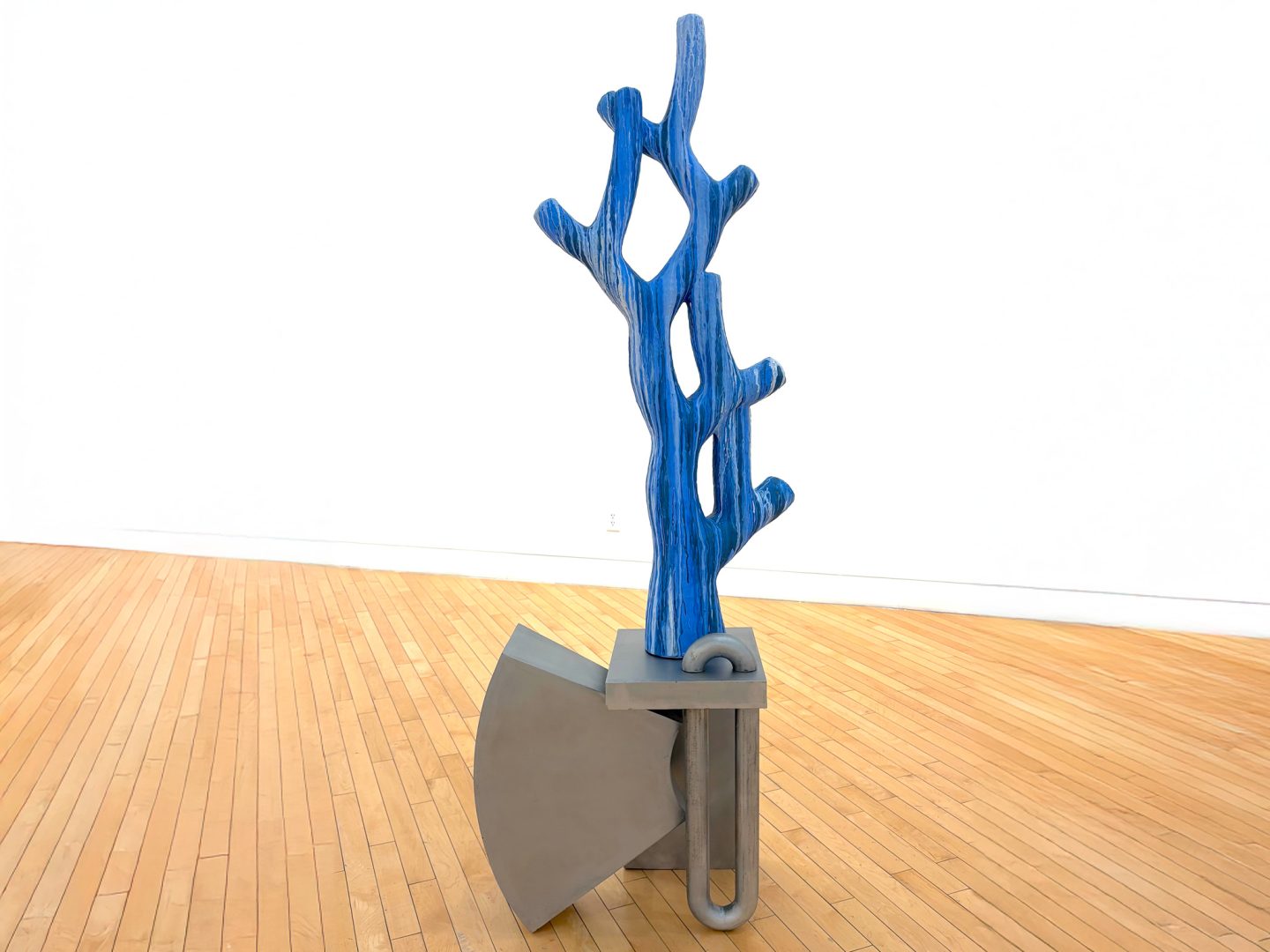
Investigate new materials and approaches to building sculpture in this two-week exploratory workshop. Students discover innovative ways to combine different materials, creating dynamic mixed-media sculptures. This workshop experiments with adding different materials to students’ work — such as clay, steel, and found objects — while considering how each adds formal information and intensified content. A rigorous studio environment gives access to a variety of new materials and fresh ways of approaching students’ studio practice. The workshop is open to students working in any media who are looking to try something different and add new skills to their toolbox.
-
II
Level II
Students have a basic understanding of forming techniques, such as throwing and hand building. Students have taken one or two ceramics classes or workshops.
-
III
Level III
Students have significant experience with clay forming techniques, such as throwing, hand building and modeling. Students are comfortable with ceramics equipment, such as wheels, extruders and slab rollers. Students are self-starting with some formal training and have taken a minimum of three classes or workshops.
Jun 8 - 19, 2026
9 AM - 5 PM
Understanding Wood Firing
Justin Lambert, Jason Hess
Tuition $1,795
Code C0202-26
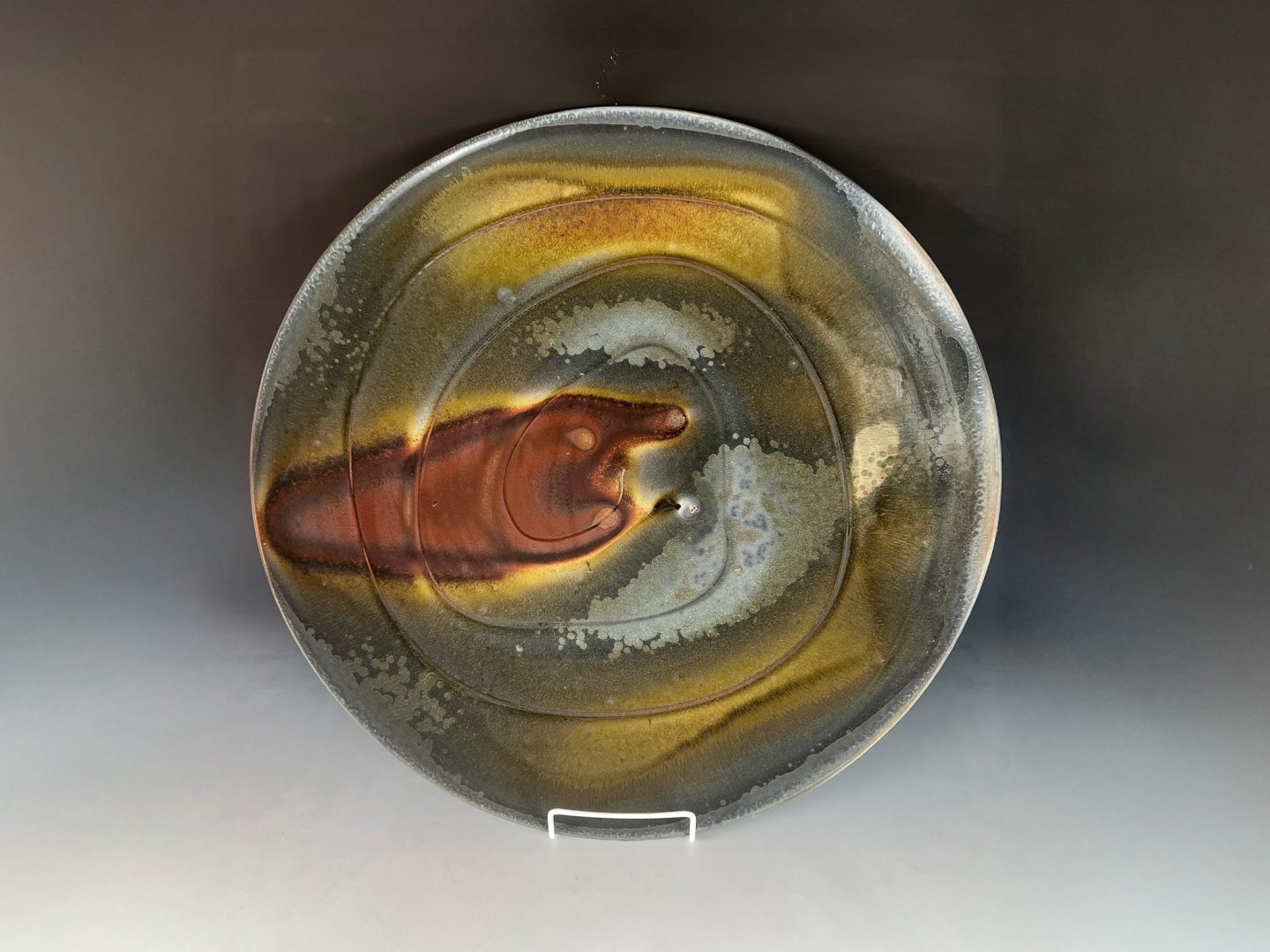
In this workshop, students learn the terminology associated with wood firing, and gain understanding of what happens during the firing and cooling processes. Participants are guided through observation systems such as the fire triangle and stoke scale, and learn how to move heat via interval stoking, and spicing up anemic wood ash via "watering your wood." Participants gain confidence making decisions during the wood firing process while creating new work and gaining valuable technical experience in wood firing.