


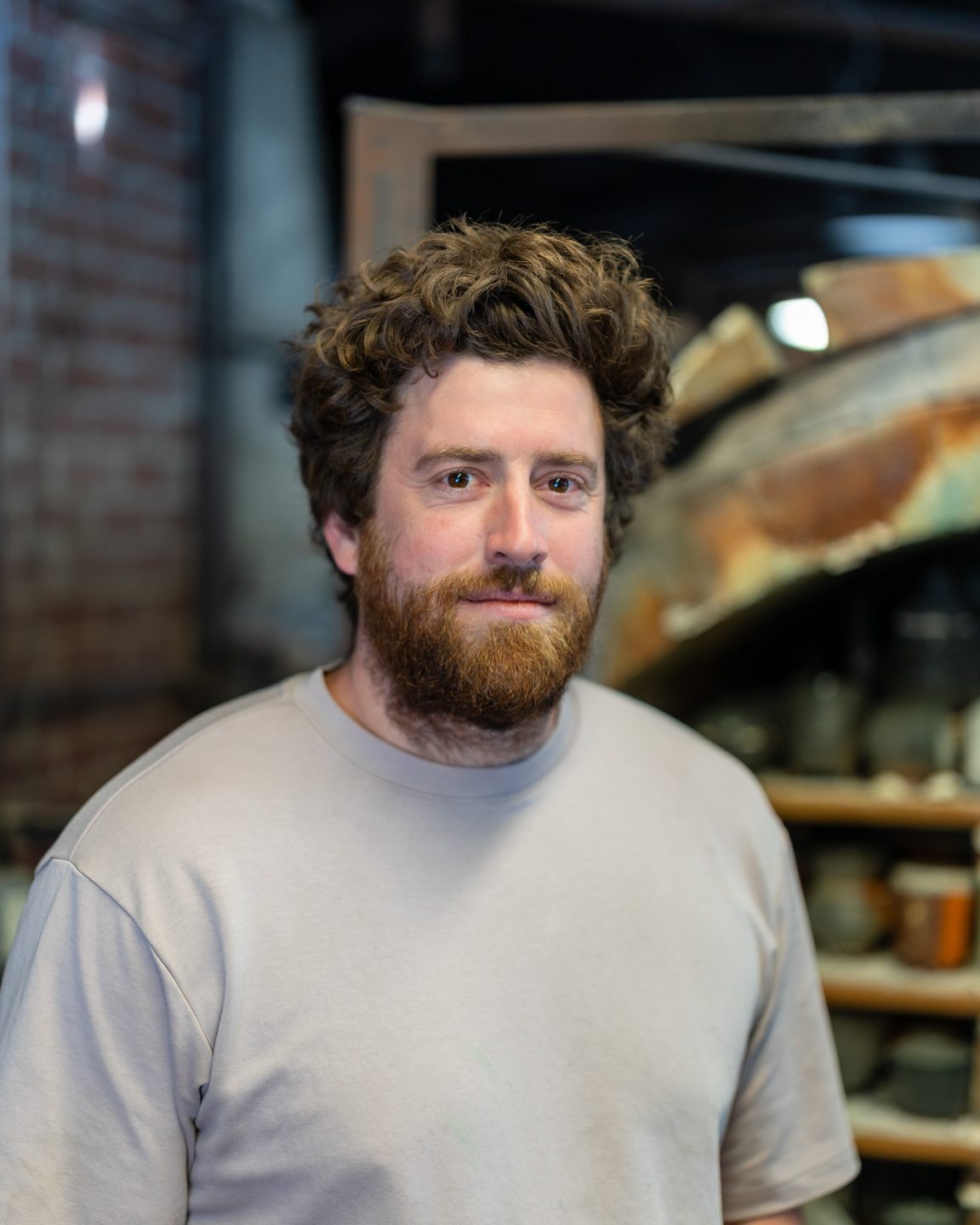
Stuart Gair
Stuart Gair teaches at Ohio University and has a studio in Canaanville, OH, where he has been experimenting with local clays and soda-firing techniques and exploring the ceramic history of the region. He is the co-founder of Canaanville Arts Center, a gallery and artist residency focused on bringing nationally and internationally recognized artists to the area while highlighting artists and craftsmen from the Appalachian region working in traditional methods.
Stuart's Links:
Stuart's Workshops
-
II
Level II
Students have a basic understanding of forming techniques, such as throwing and hand building. Students have taken one or two ceramics classes or workshops.
-
III
Level III
Students have significant experience with clay forming techniques, such as throwing, hand building and modeling. Students are comfortable with ceramics equipment, such as wheels, extruders and slab rollers. Students are self-starting with some formal training and have taken a minimum of three classes or workshops.
Jun 29 - Jul 10, 2026Past9 AM - 5 PM
Thrown and Altered Forms for Soda Firing
Stuart Gair
Tuition $1,795
Code C0505-26
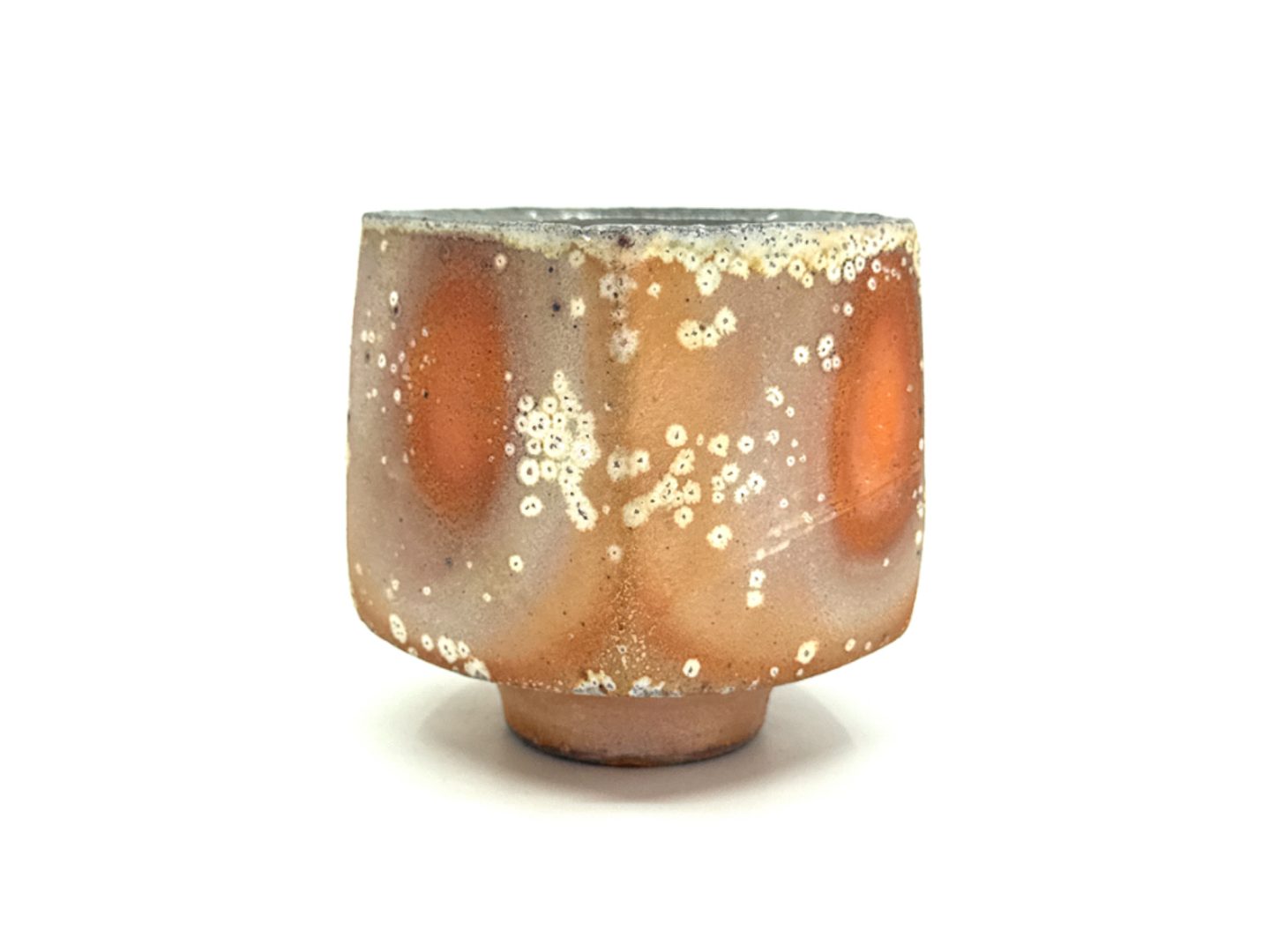
During the workshop, participants discuss making forms that can be enhanced by the soda-firing process as well as what slips and materials to use for different effects in the firing. The workshop demonstrates a wide array of techniques for throwing and altering forms and gives students the opportunity to practice them. Vessels and sculptures will be created during the first week, followed by soda firings the following week.

-
II
Level II
Students have a basic understanding of forming techniques, such as throwing and hand building. Students have taken one or two ceramics classes or workshops.
-
III
Level III
Students have significant experience with clay forming techniques, such as throwing, hand building and modeling. Students are comfortable with ceramics equipment, such as wheels, extruders and slab rollers. Students are self-starting with some formal training and have taken a minimum of three classes or workshops.
Jun 24 - Jul 5, 2024Past9AM - 5PM
Thrown and Altered Forms for Soda Firing
Stuart Gair
Tuition $1,450
Code C0405-24
During the workshop, participants discuss making forms that can be enhanced by the soda-firing process as well as what slips and materials to use for different effects in the firing. The workshop demonstrates a wide array of techniques for throwing and altering forms and gives students the opportunity to practice themselves. Vessels and sculptures will be created during the first week, followed by soda firings the following week.

-
II
Level II
Students have a basic understanding of forming techniques, such as throwing and hand building. Students have taken one or two ceramics classes or workshops.
-
III
Level III
Students have significant experience with clay forming techniques, such as throwing, hand building and modeling. Students are comfortable with ceramics equipment, such as wheels, extruders and slab rollers. Students are self-starting with some formal training and have taken a minimum of three classes or workshops.
-
IV
Level IV
Students have advanced skills and knowledge of the ceramics field. Students are highly motivated, have a minimum of five years experience in the field and have a portfolio of their artwork. Typical students are academics and professional artists.
Aug 29 - Sep 9, 2022Past9AM-5PM
Understanding Soda Firing
Stuart Gair
Tuition $1,350
Code C1320-22
This class provides students with the rare and exciting opportunity to learn about and participate in the loading and firing of soda kilns. For the first of the two firings, participants are asked to bring 10 to 15 bisqueware pieces that are loaded on the second day of the workshop. Work is then made, slipped and bisqued for the second firing, which takes place during the second week of the workshop. Throughout the two-week session, two kilns are strategically loaded, fired to cone ten in a reduced atmosphere and oxidation cooled. Demonstrations of particular forms are discussed in terms of how they pair and react with the results of the soda firing process. Emphasis is placed on exploring the effects of slips, glazes and granitic inclusions in the clay and how they interact with the atmosphere inside the soda kiln.
No workshops to show.
