


Ceramics Workshops
Contemporary Ceramics Workshops
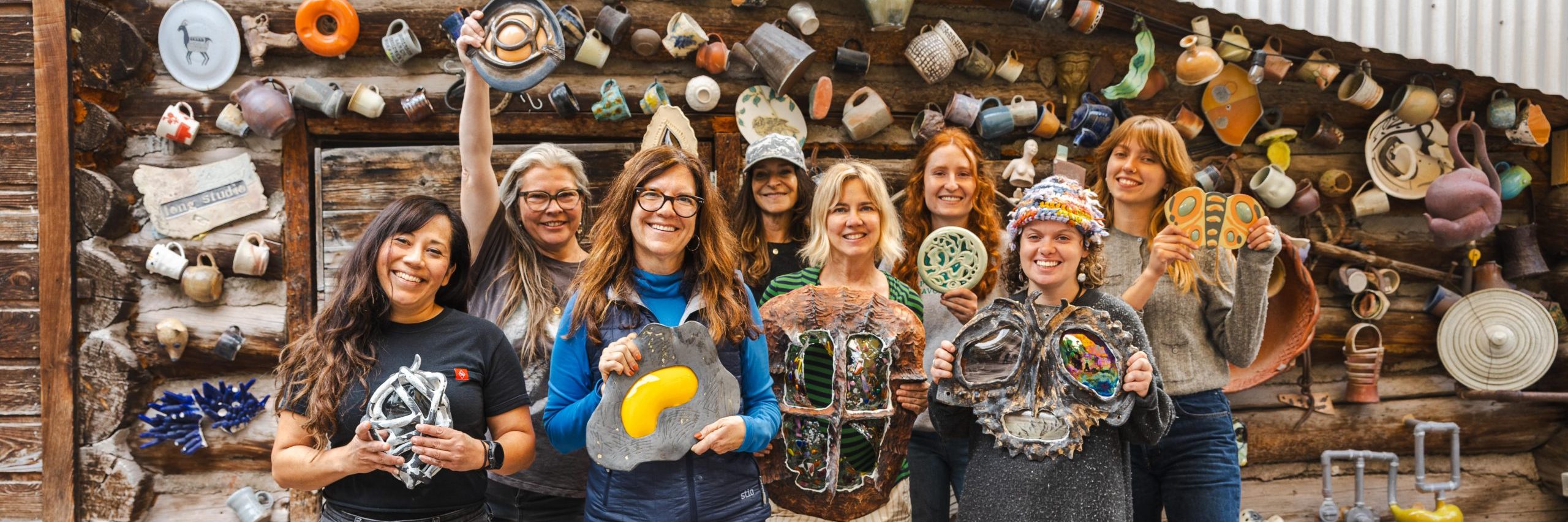
Founded in 1966 by pioneering American ceramicist Paul Soldner, Anderson Ranch Arts Center is an internationally recognized center for ceramics and pottery education. For nearly six decades, the Ranch has brought artists together to exchange ideas, challenge conventions, and shape the future of contemporary ceramic art.
Immersive Ceramics Workshops for Artists at Every Level
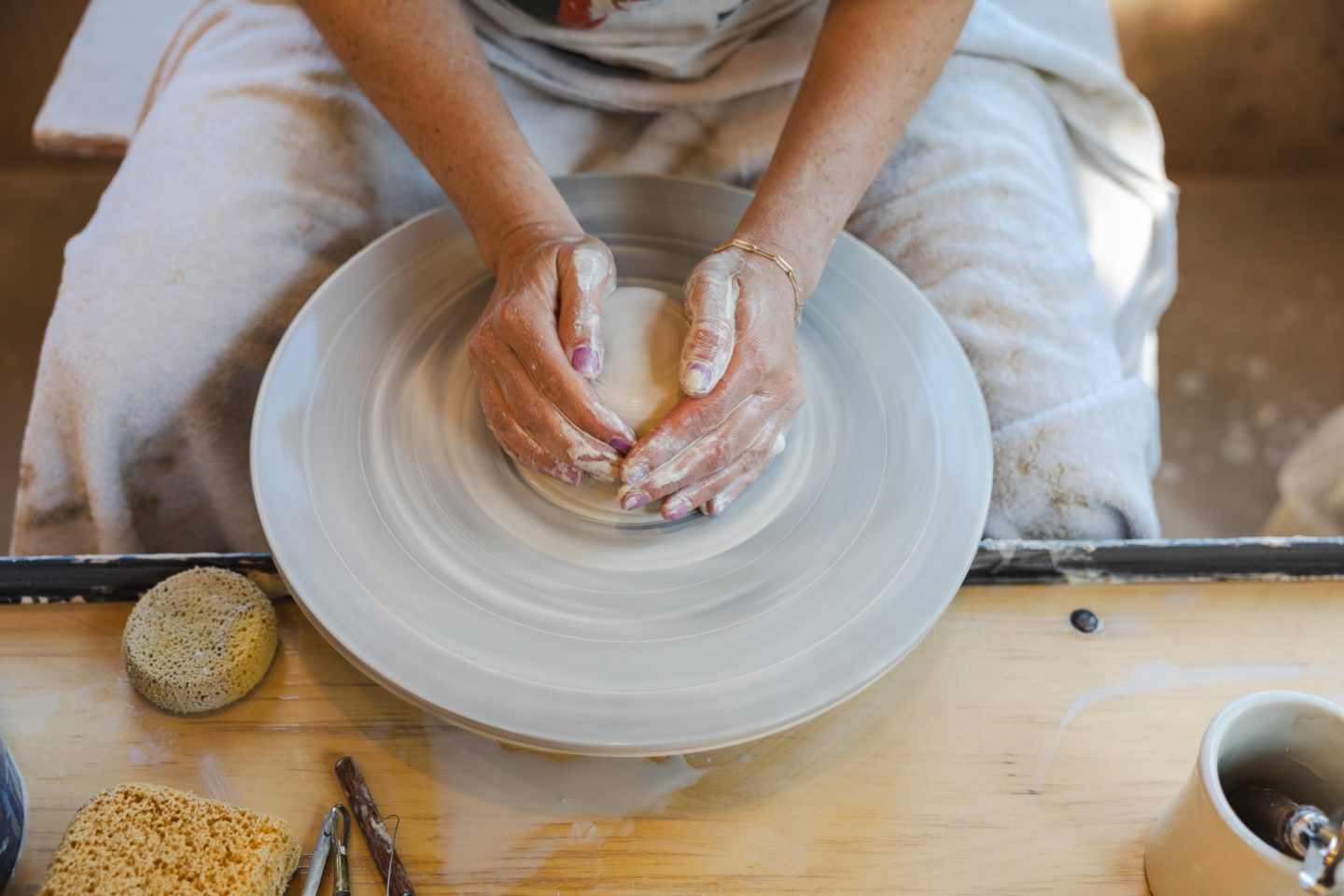
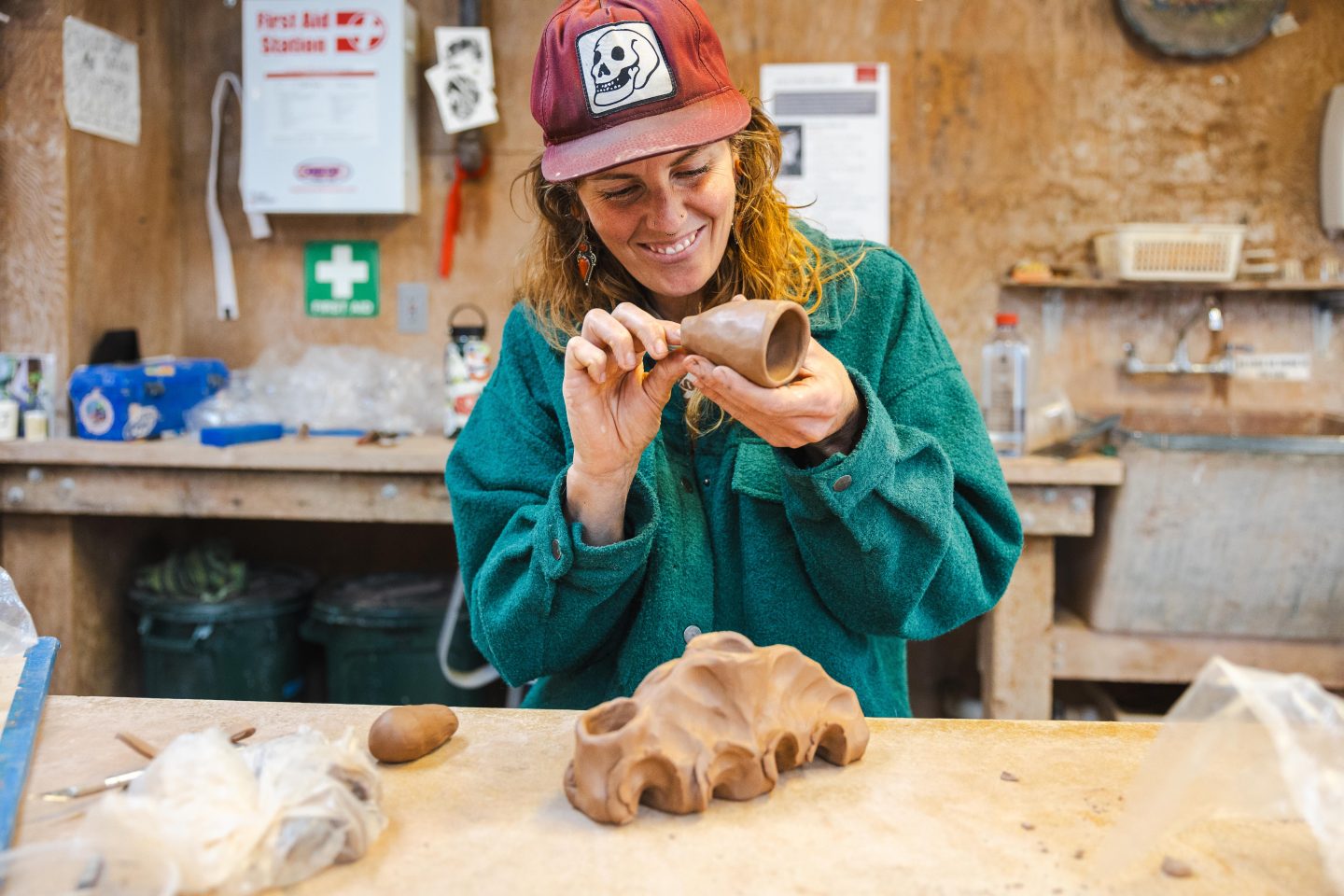
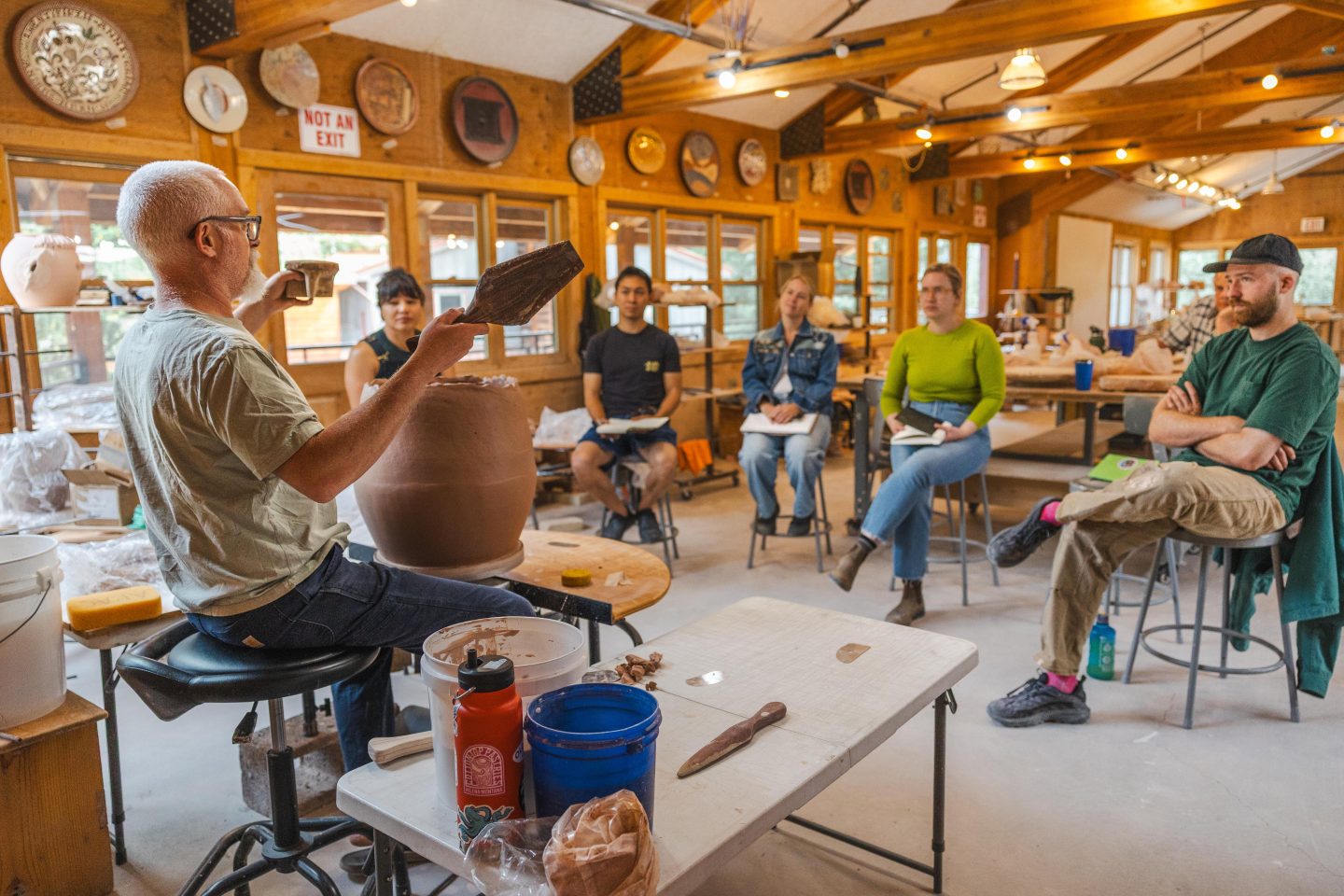
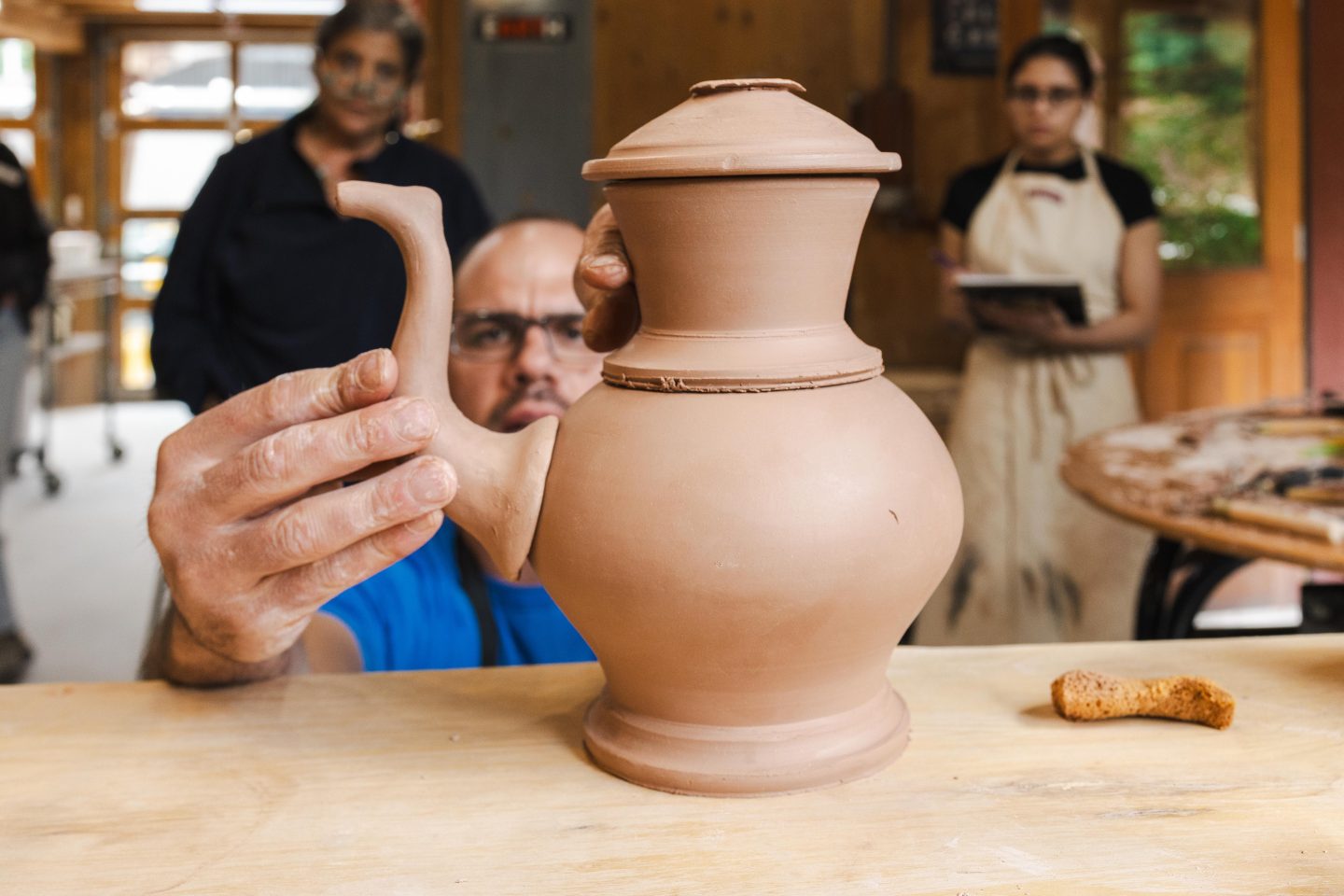
Our ceramics workshops offer hands-on instruction in wheel throwing, handbuilding, ceramic sculpture, and surface design, taught by internationally acclaimed faculty. Designed for beginning, emerging, and professional ceramic artists, the program emphasizes technical excellence and experimentation.
Advance Your Ceramic Practice in an Inspiring Creative Community
Located in the Rocky Mountains, Anderson Ranch provides a transformative environment where ceramic art, innovation, and community intersect. Artists gain new perspectives, refine their techniques, and experience meaningful creative growth in a setting built for focus, risk-taking, and discovery.
Ceramics Workshops
-
I
Level I
Students are new to ceramics and have no formal training.
-
II
Level II
Students have a basic understanding of forming techniques, such as throwing and hand building. Students have taken one or two ceramics classes or workshops.
Jun 1 - 12, 2026
9 AM - 5 PM
Hand Turned Ceramics
Paul Briggs
Tuition $1,795
Code C0101-26
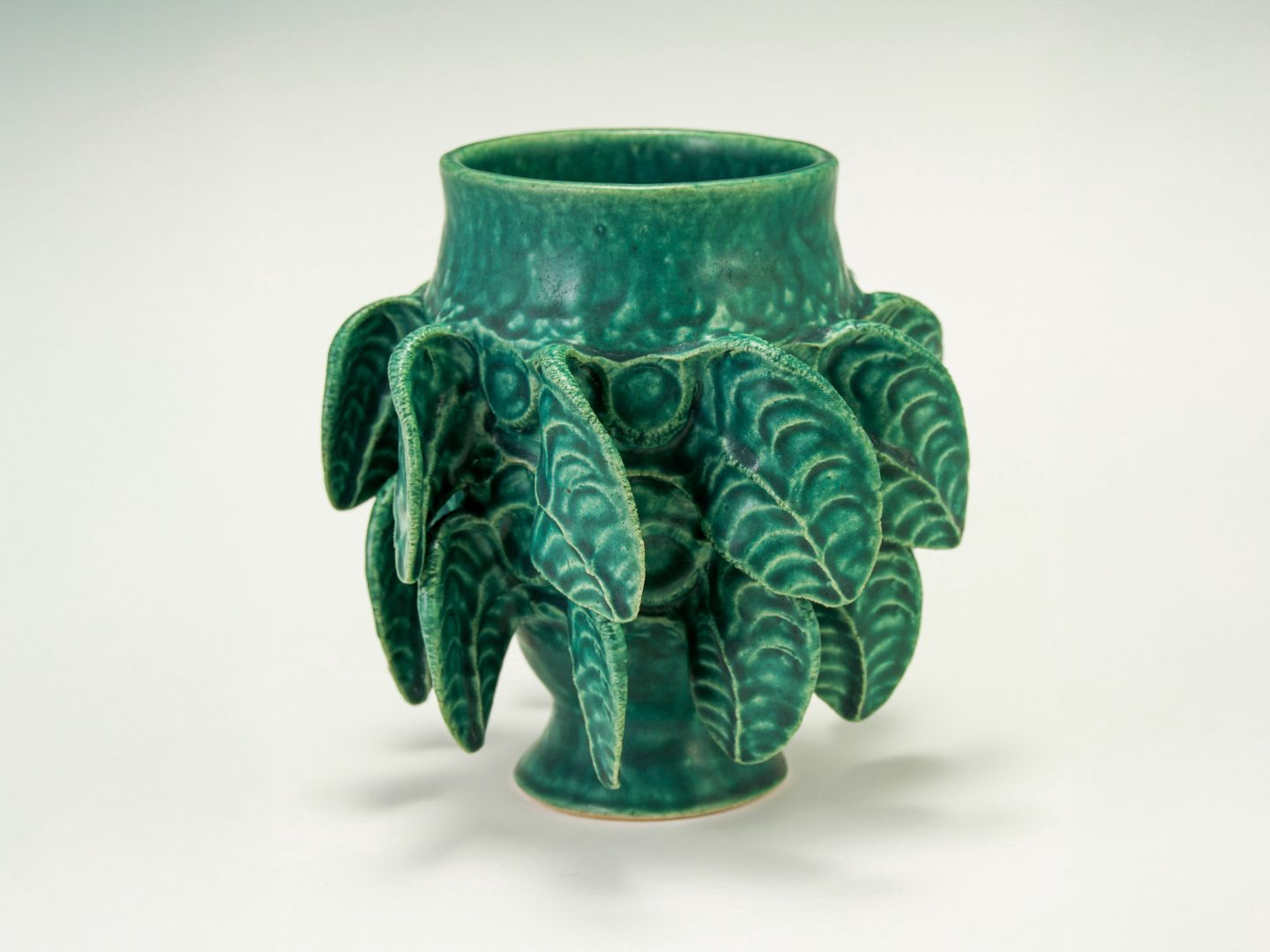
This class teaches unique pinch forming methods that resemble how clay is pulled up on the wheel. Through patience and practice, students learn how to achieve scale and bold form, and move beyond the usual 3" pinch-formed pot to pinch up to 5lbs of clay, growing a pot from one ball without adding or subtracting material. Creating both functional and sculptural objects, we engage in the merging of ideas and form, of merging inside and outside, and of subtle metaphor. Glazing and firing will be mid-range oxidation.
-
III
Level III
Students have experience with a variety of materials and fabrication techniques and know how to use hand and power tools competently and safely. Students are self-starting with some formal training in critical aspects of sculpture and have a portfolio of artwork. Students have taken a minimum of three classes or workshops.
-
IV
Level IV
Students have advanced skills and knowledge of sculpture. Students are highly motivated, have a minimum of five years experience in the field and have multiple portfolios of their artwork. Typical students are academics and professional artists.
Jun 1 - 12, 2026
9 AM - 5 PM
Building with Clay and Steel
Trey Hill
Tuition $2,250
Code S0102-26
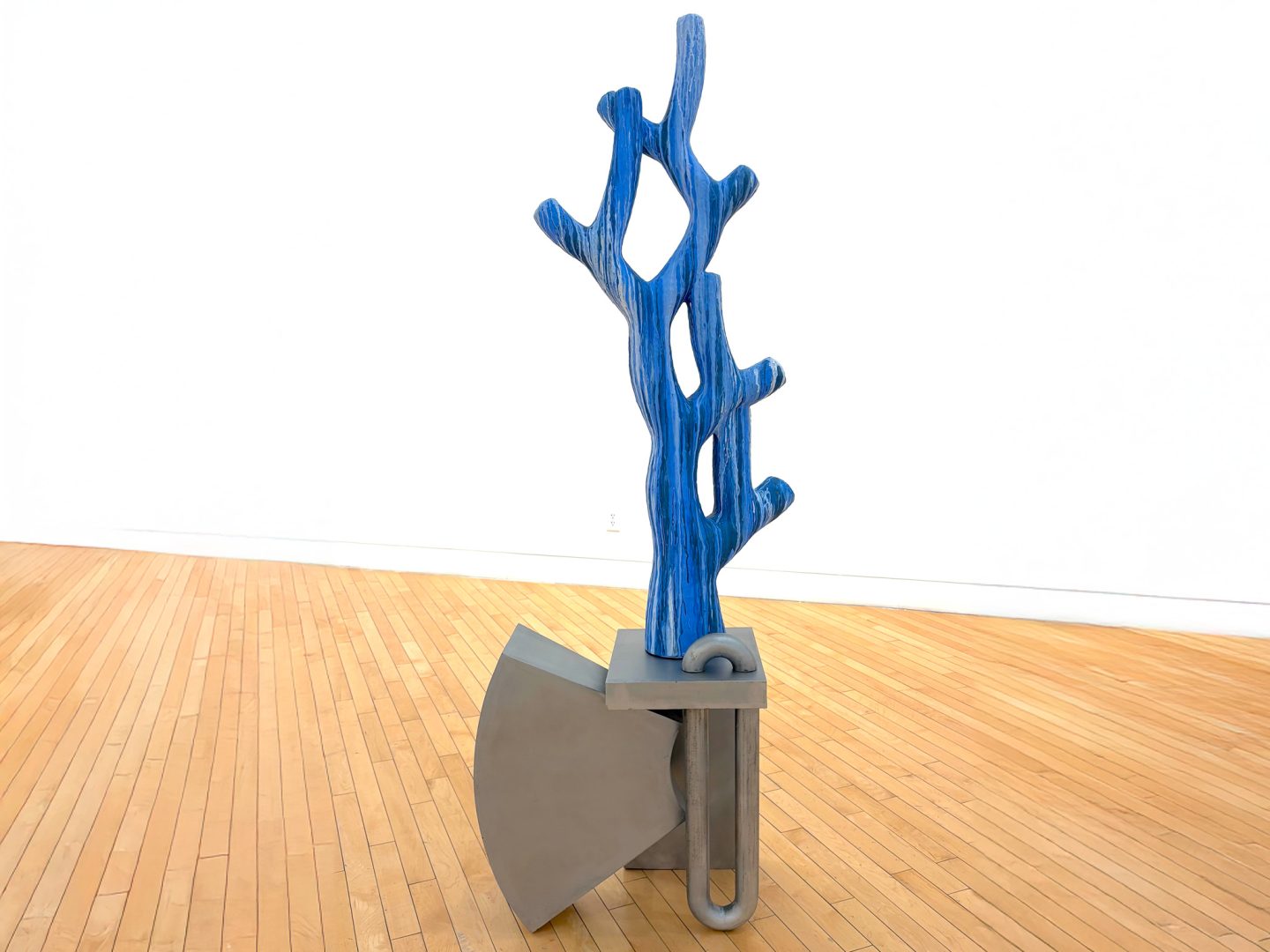
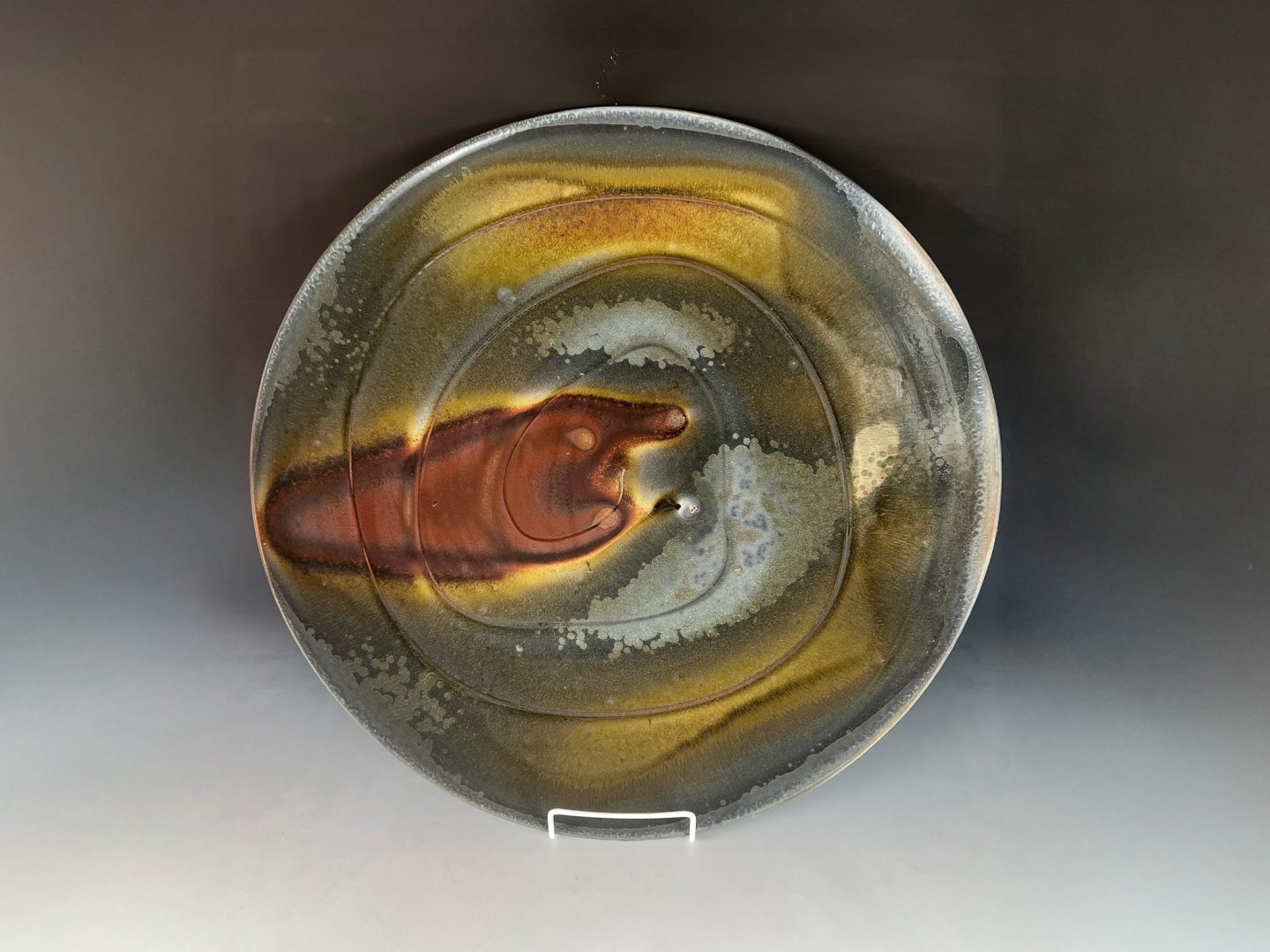
Investigate new materials and approaches to building sculpture in this two-week exploratory workshop. Students discover innovative ways to combine different materials, creating dynamic mixed-media sculptures. This workshop experiments with adding different materials to students’ work — such as clay, steel, and found objects — while considering how each adds formal information and intensified content. A rigorous studio environment gives access to a variety of new materials and fresh ways of approaching students’ studio practice. The workshop is open to students working in any media who are looking to try something different and add new skills to their toolbox.
-
II
Level II
Students have a basic understanding of forming techniques, such as throwing and hand building. Students have taken one or two ceramics classes or workshops.
-
III
Level III
Students have significant experience with clay forming techniques, such as throwing, hand building and modeling. Students are comfortable with ceramics equipment, such as wheels, extruders and slab rollers. Students are self-starting with some formal training and have taken a minimum of three classes or workshops.
Jun 8 - 19, 2026
9 AM - 5 PM
Understanding Wood Firing
Justin Lambert, Jason Hess
Tuition $1,795
Code C0202-26
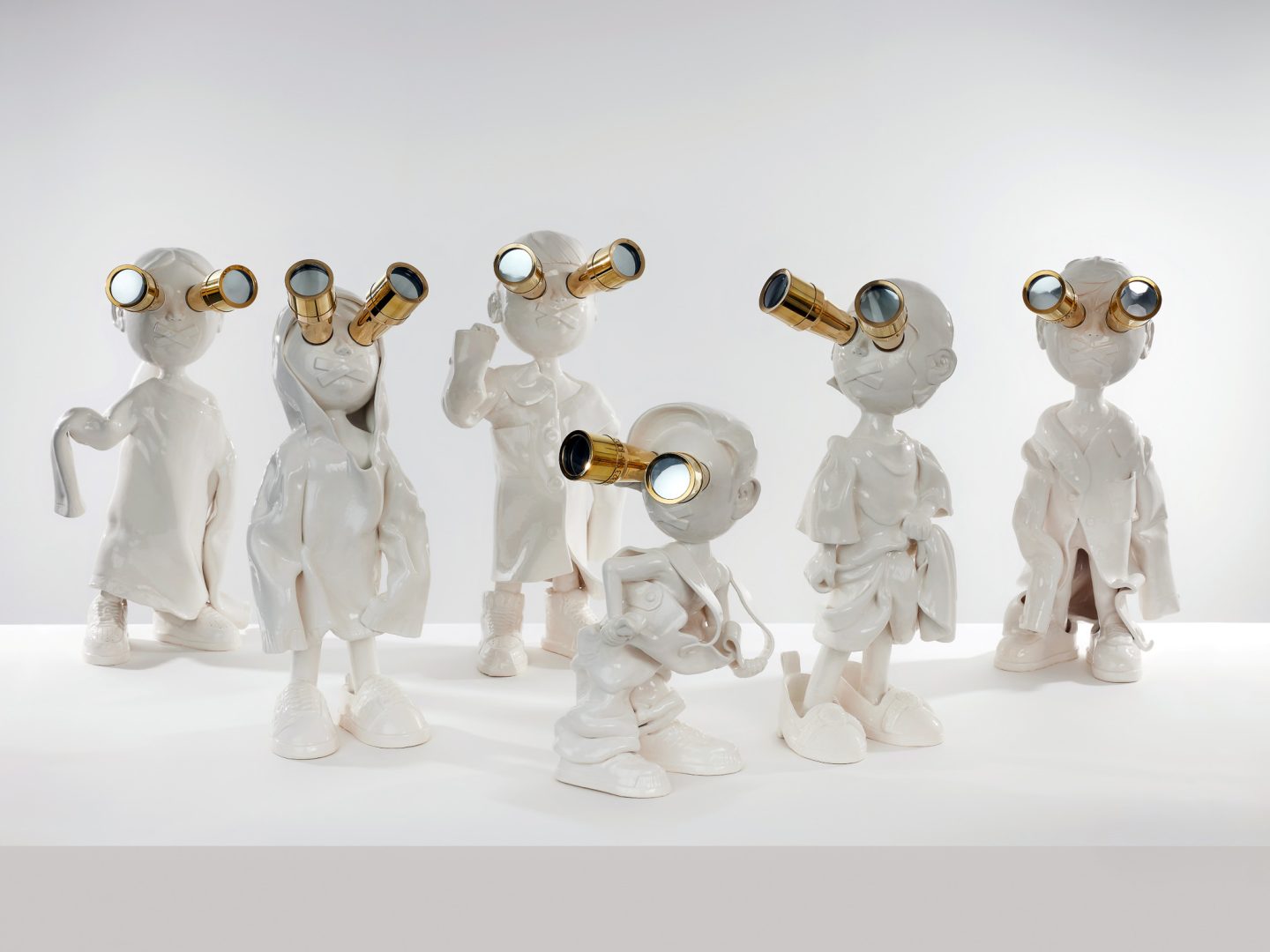
In this workshop, students learn the terminology associated with wood firing, and gain understanding of what happens during the firing and cooling processes. Participants are guided through observation systems such as the fire triangle and stoke scale, and learn how to move heat via interval stoking, and spicing up anemic wood ash via "watering your wood." Participants gain confidence making decisions during the wood firing process while creating new work and gaining valuable technical experience in wood firing.
-
II
Level II
Students have a basic understanding of forming techniques, such as throwing and hand building. Students have taken one or two ceramics classes or workshops.
-
III
Level III
Students have significant experience with clay forming techniques, such as throwing, hand building and modeling. Students are comfortable with ceramics equipment, such as wheels, extruders and slab rollers. Students are self-starting with some formal training and have taken a minimum of three classes or workshops.
-
IV
Level IV
Students have advanced skills and knowledge of the ceramics field. Students are highly motivated, have a minimum of five years experience in the field and have a portfolio of their artwork. Typical students are academics and professional artists.
Jun 15 - 26, 2026
9 AM - 5 PM
Stories in Clay: Shaping Imagination
Namdoo Kim
Tuition $1,795
Code C0303-26
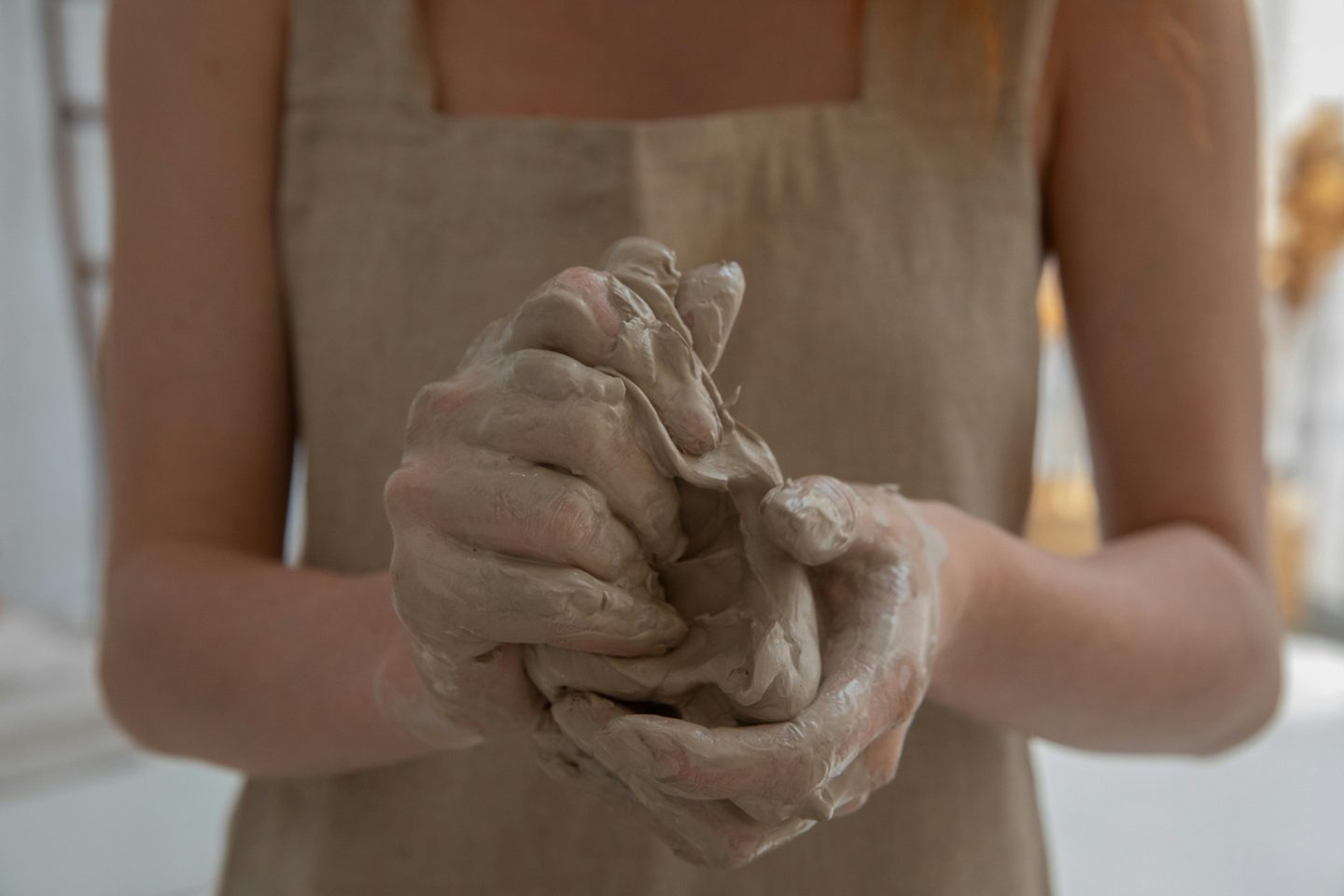
This hand-building workshop invites participants to transform personal stories and images into sculptural form. By focusing on Kim’s’s specialized slab-building techniques and incorporating other handbuilding techniques, students explore clay as a medium of both structure and narrative, reflecting memories, dreams, and desires. This workshop emphasizes creative expression over technical mastery by shaping figures, objects, and abstract forms that carry meaning. Through modeling and storytelling, participants experience clay as a living material, discovering how touch and imagination merge to produce not only sculptures, but also vessels of personal voice, memory, and vision.
-
O
Open to All
Students of any skill and knowledge level.
Jun 22 - Jul 3, 2026
9 AM - 5 PM
Introduction to Clay Body Chemistry
Matthew Katz
Tuition $1,795
Code C0404-26
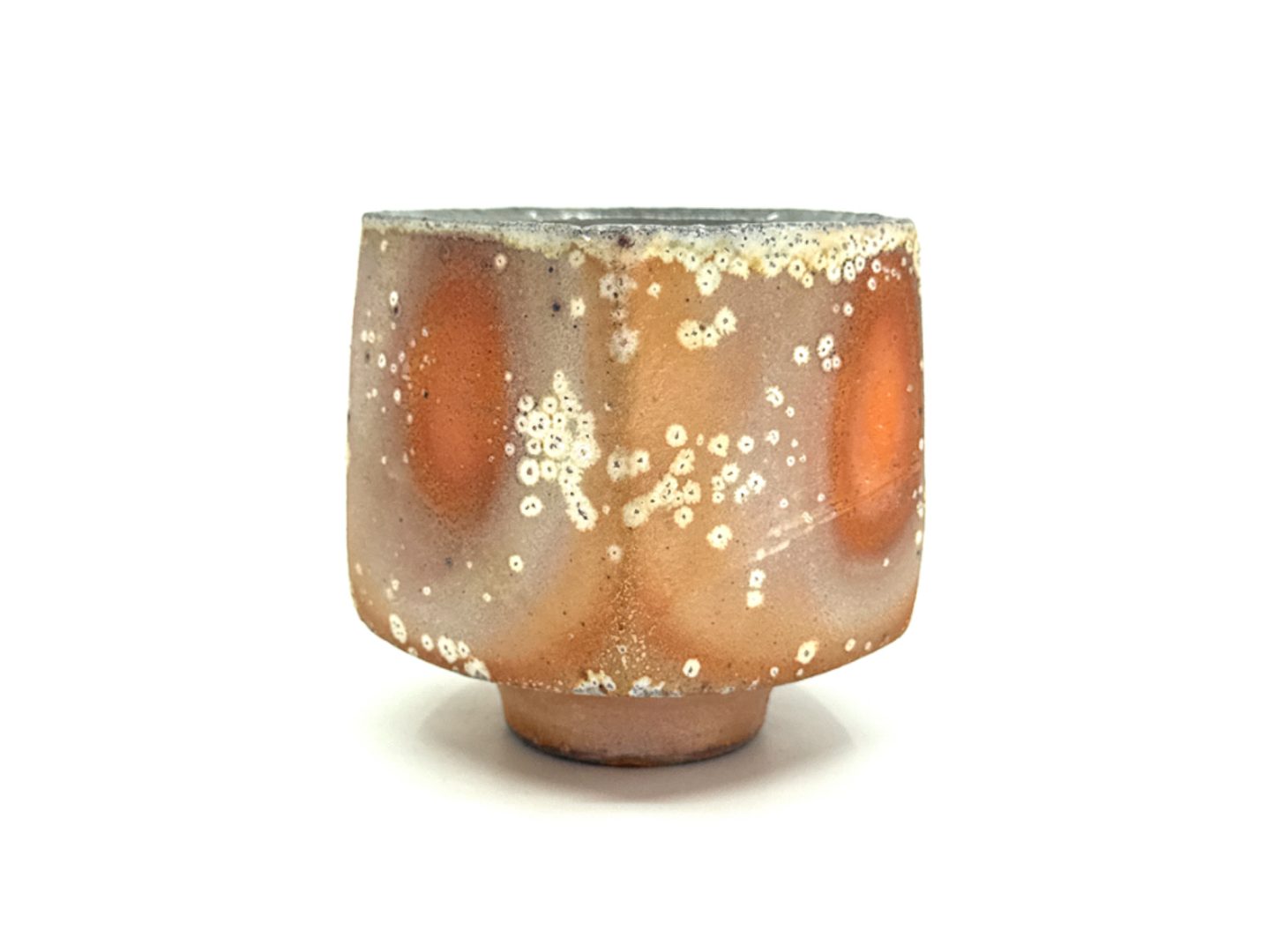
Students dive into the science behind ceramics in this clay-focused workshop, going beyond myths to gain a solid, scientific understanding of how clay bodies work. This course is designed to empower participants with the knowledge to control materials and optimize studio practices as they learn the origins, composition, and properties of earthenware, stoneware, and porcelain. They learn how to analyze and apply clay formulas for throwing, construction, and casting. Students will master the principles of heat and temperature and learn to identify and correct common clay flaws, building a strong, fact-based foundation to transform their work.
-
II
Level II
Students have a basic understanding of forming techniques, such as throwing and hand building. Students have taken one or two ceramics classes or workshops.
-
III
Level III
Students have significant experience with clay forming techniques, such as throwing, hand building and modeling. Students are comfortable with ceramics equipment, such as wheels, extruders and slab rollers. Students are self-starting with some formal training and have taken a minimum of three classes or workshops.
Jun 29 - Jul 10, 2026
9 AM - 5 PM
Thrown and Altered Forms for Soda Firing
Stuart Gair
Tuition $1,795
Code C0505-26
During the workshop, participants discuss making forms that can be enhanced by the soda-firing process as well as what slips and materials to use for different effects in the firing. The workshop demonstrates a wide array of techniques for throwing and altering forms and gives students the opportunity to practice them. Vessels and sculptures will be created during the first week, followed by soda firings the following week.

-
O
Open to All
Students of any skill and knowledge level.
Jul 6 - 10, 2026
9 AM - 5 PM
Prototyping in Clay: A Hand Building Design Intensive and Professional Practices
Bari Ziperstein
Tuition $1,300
Code C0606-26
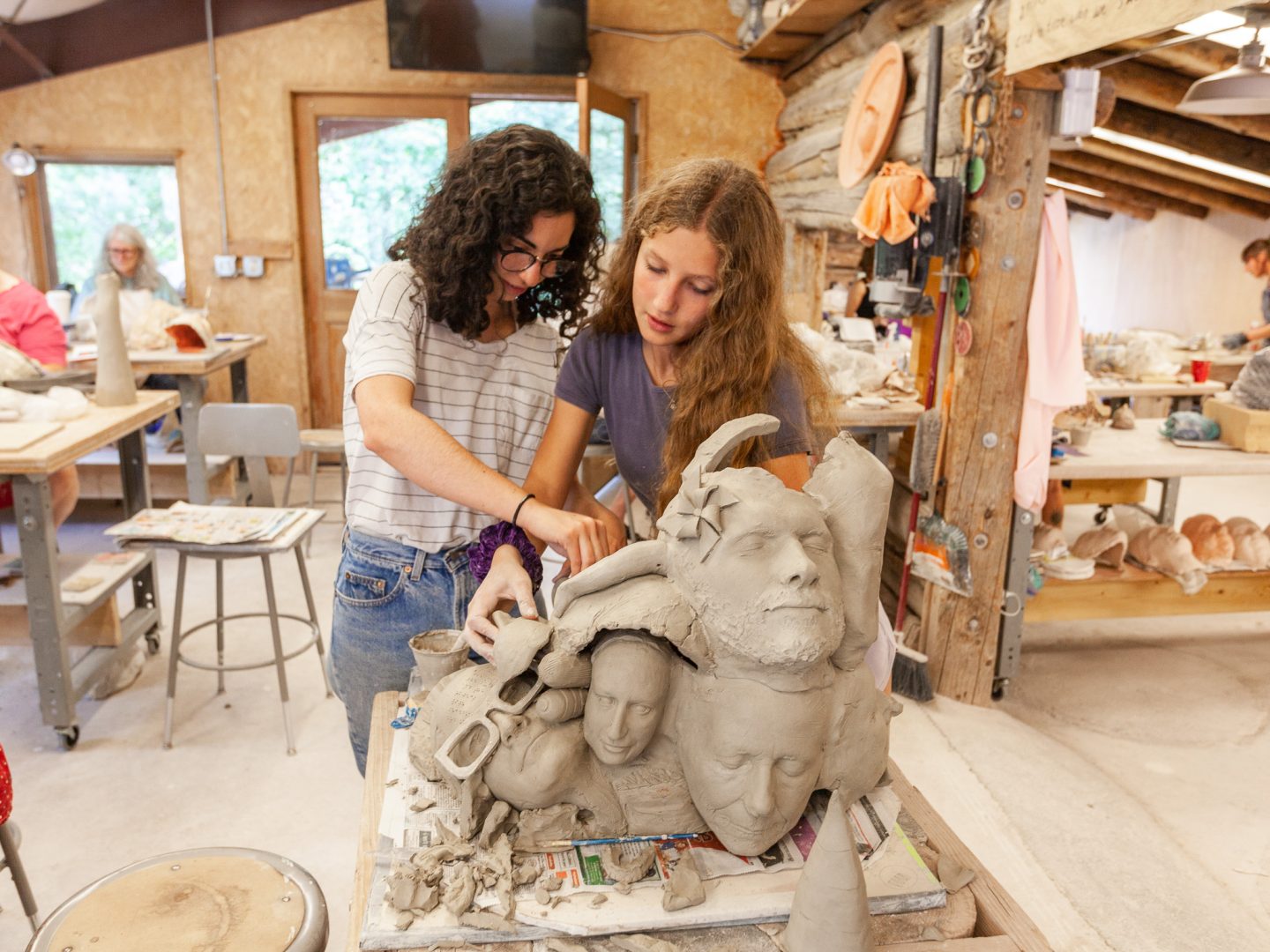
In this intensive class on product design in clay, students focus on a combination of professional practices and hand-building strategies, learning the techniques behind crafting unique, tabletop-sized vessels. Through demonstrations, we learn essential design principles around shape, form, and silhouettes, and techniques for hand-building and coil-building. Participants receive personalized guidance and feedback on projects while developing technical and problem-solving skills. The goal is for each participant to complete a minimum of two models and two prototypes.
-
Ages 13-17
Jul 13 - 17, 2026
9 AM - 3 PM
Clay Camp: Hand Building for Teens
Joanne Seongweon Lee
Tuition $725
Code C0707-26
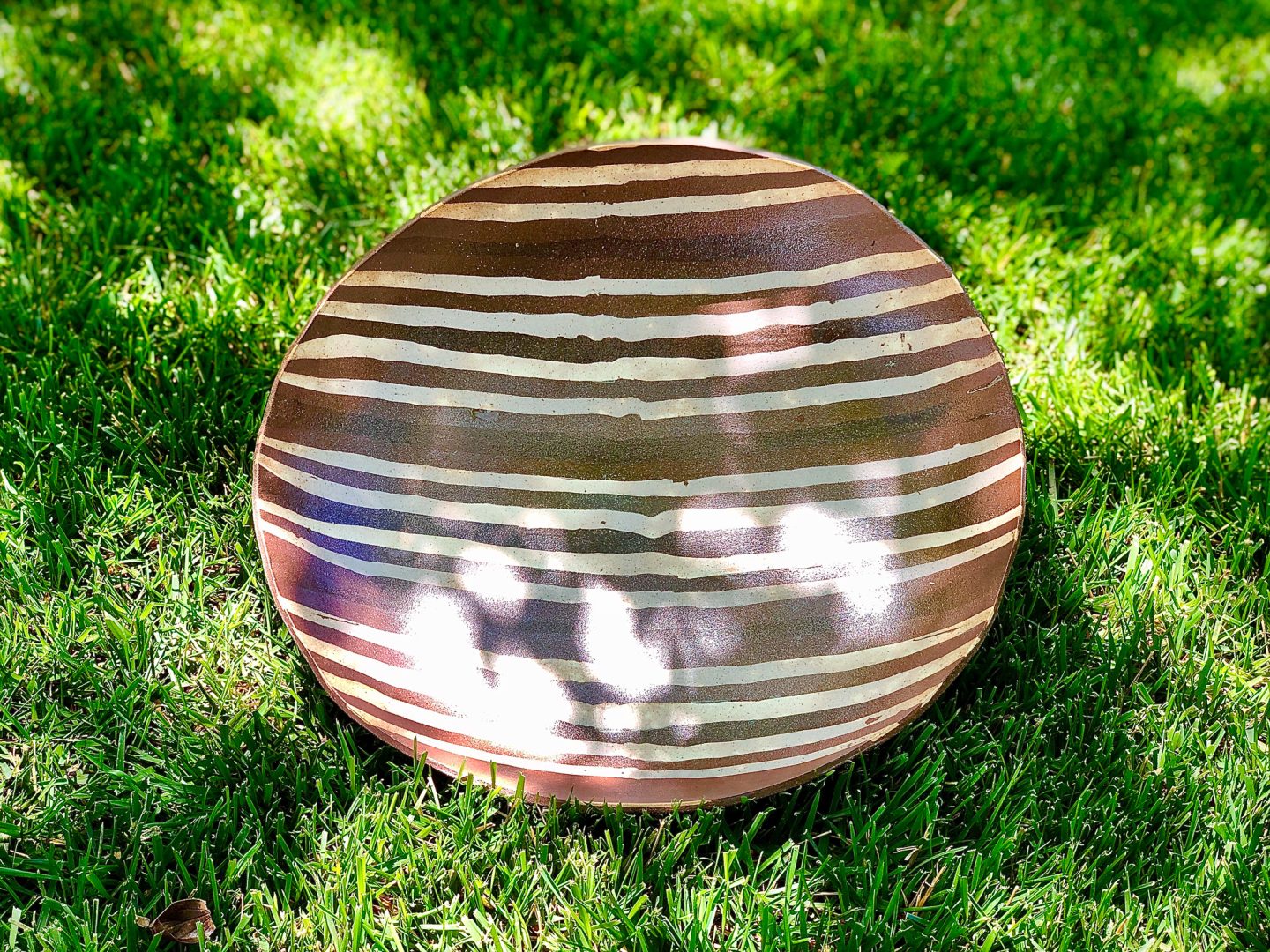
Young artists discover the endless possibilities in clay through its many creative forms, including functional ware and sculpture. This workshop, designed specifically for teens, introduces methods of handbuilding cups, mugs, and other forms. Participants learn basic coil, slab, extrusion, and pinch techniques as they develop skills and create from their imagination. Fun and informative, this workshop is for both beginning and experienced students who want to explore clay as an expressive medium.
-
O
Open to All
Students of any skill and knowledge level.
Jul 20 - 24, 2026
9 AM - 5 PM
Nerikomi Clay Techniques
Joanne Seongweon Lee
Tuition $1,300
Code C0808-26
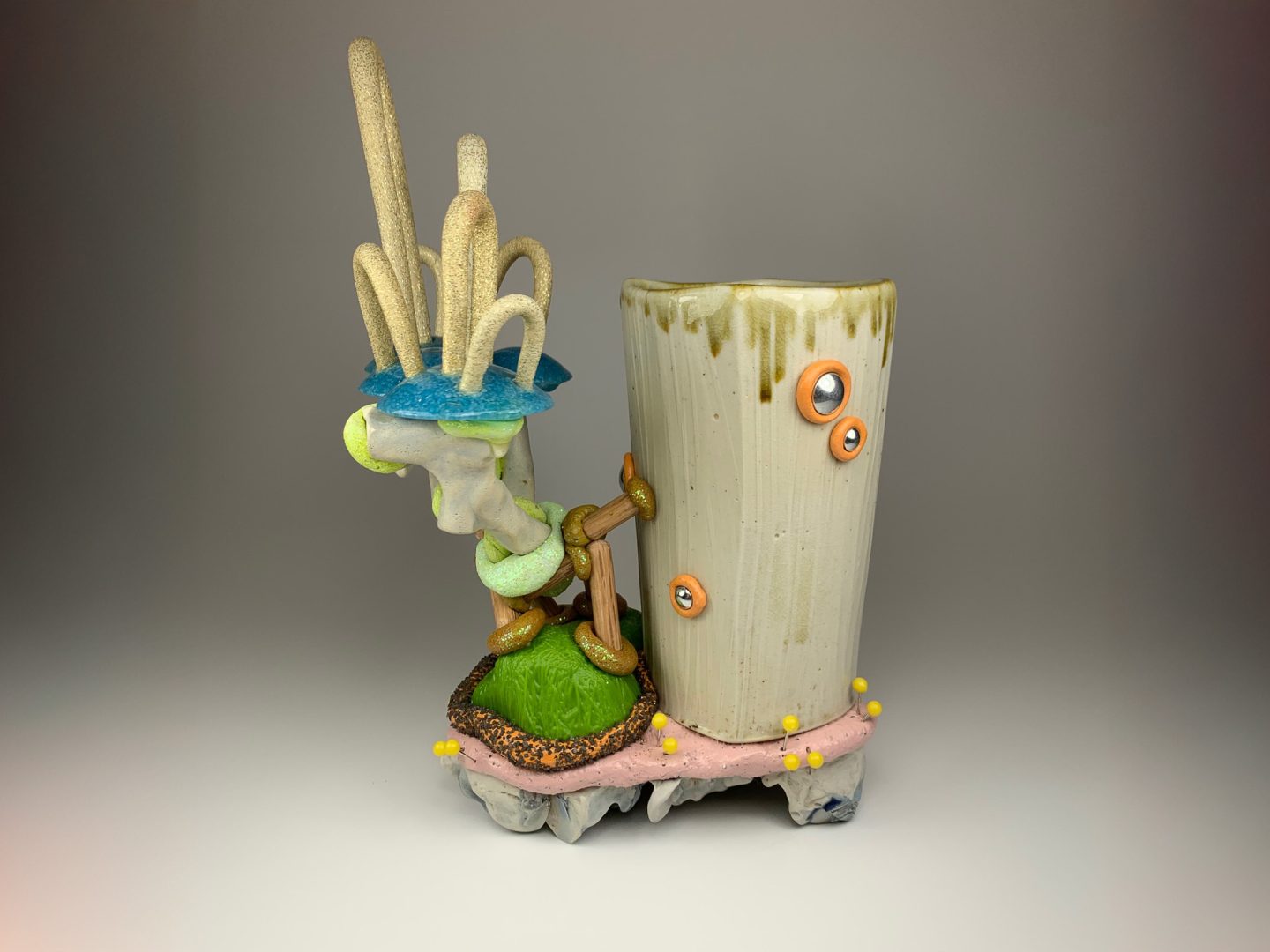
In this intensive one-week workshop, students discover the possibilities of combining differently colored clays. We explore the Nerikomi method, a Japanese ceramic art technique that involves building intricate patterns by combining and laminating different clays, and learn how to hand-form functional and sculptural objects through a variety of patterning and building techniques.
-
II
Level II
Students have a basic understanding of forming techniques, such as throwing and hand building. Students have taken one or two ceramics classes or workshops.
-
III
Level III
Students have significant experience with clay forming techniques, such as throwing, hand building and modeling. Students are comfortable with ceramics equipment, such as wheels, extruders and slab rollers. Students are self-starting with some formal training and have taken a minimum of three classes or workshops.
-
IV
Level IV
Students have advanced skills and knowledge of the ceramics field. Students are highly motivated, have a minimum of five years experience in the field and have a portfolio of their artwork. Typical students are academics and professional artists.
Jul 20 - 31, 2026
9 AM - 5 PM
Parallel Play: Mixed Media and Clay
Matt Mitros
Tuition $1,795
Code C0809-26
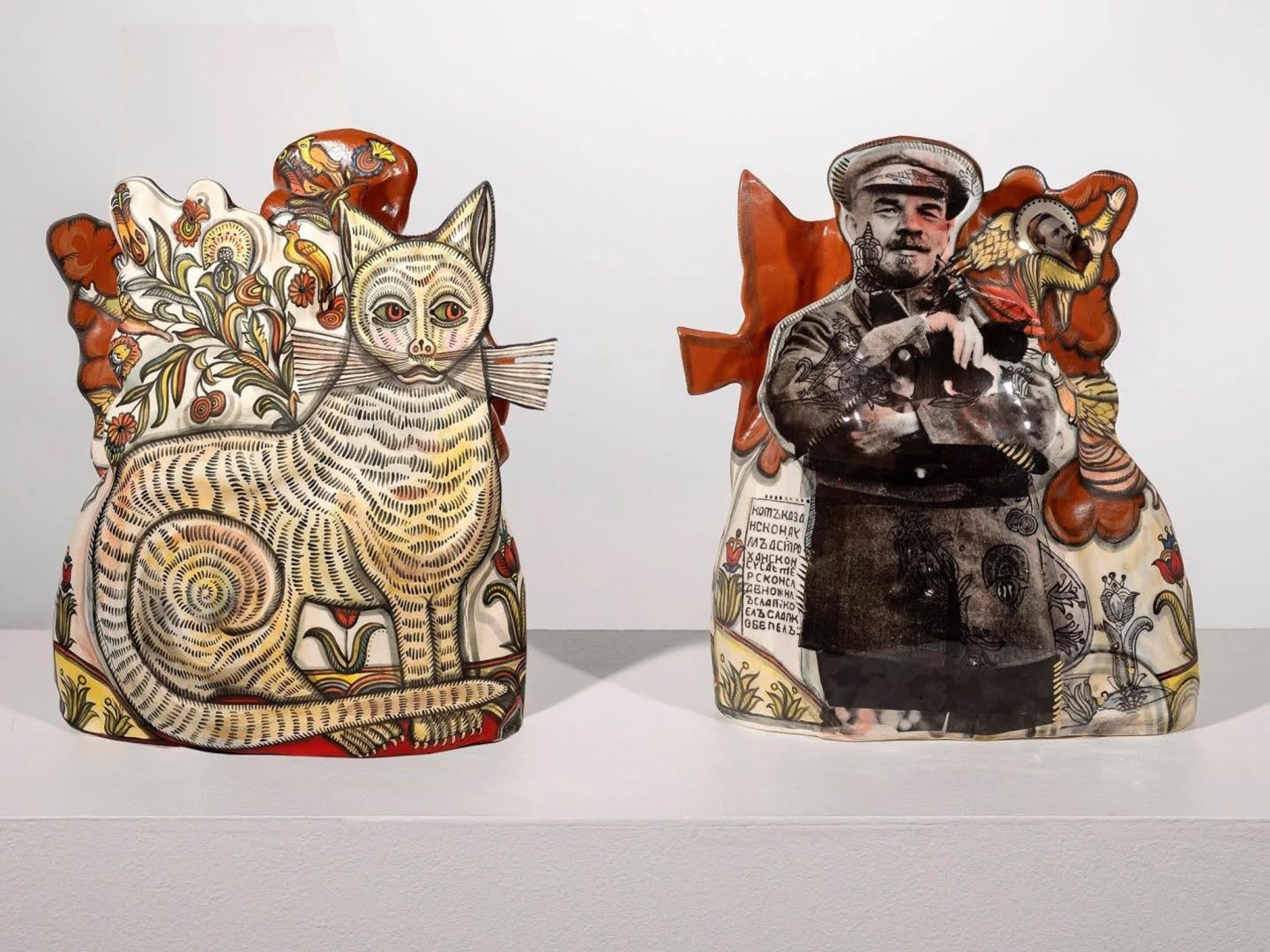
This hybrid, two-part class explores the handbuilding methods an artist can use to compose dynamic sculptural and installation compositions with clay and mixed-media resources. Week one is spent in the ceramic studio exploring ways to build small objects and components for larger work, with emphasis on conceptual ideas and non-traditional methods of fabrication. Week two shifts to the sculpture studio to explore additional form-building methods using urethane and epoxy resins, sculptural adhesive putties, paint, pigments, and found objects. Students will have access to plastic printers to generate objects for finished assembly or for plaster mold making at a later date.
-
II
Level II
Photography students have a basic understanding of photography principles and technology and are comfortable using an SLR camera in manual mode. New Media students have a basic understanding of video, multimedia or animation software. Students have basic computer skills and are comfortable using a Macintosh computer.
-
III
Level III
Photography students have some formal training and significant experience making, capturing and digitally processing images using Adobe Lightroom and/or Adobe Photoshop. New Media students have some formal training in conceptual and technological aspects of video, multimedia, coding or animation and are versed in the appropriate software applications. Students have a portfolio of their artwork.
-
IV
Level IV
Photography students have advanced skills and knowledge of photography and digital image processing. New Media students have advanced skills and knowledge of video, multimedia, coding or animation. Students are self-motivated and have multiple portfolios of their artwork.
Jul 20 - 31, 2026
9 AM - 5 PM
Image + Clay: Exploring Mixed Media Ceramics
Yana Payusova
Tuition $1,650
Code P0818-26
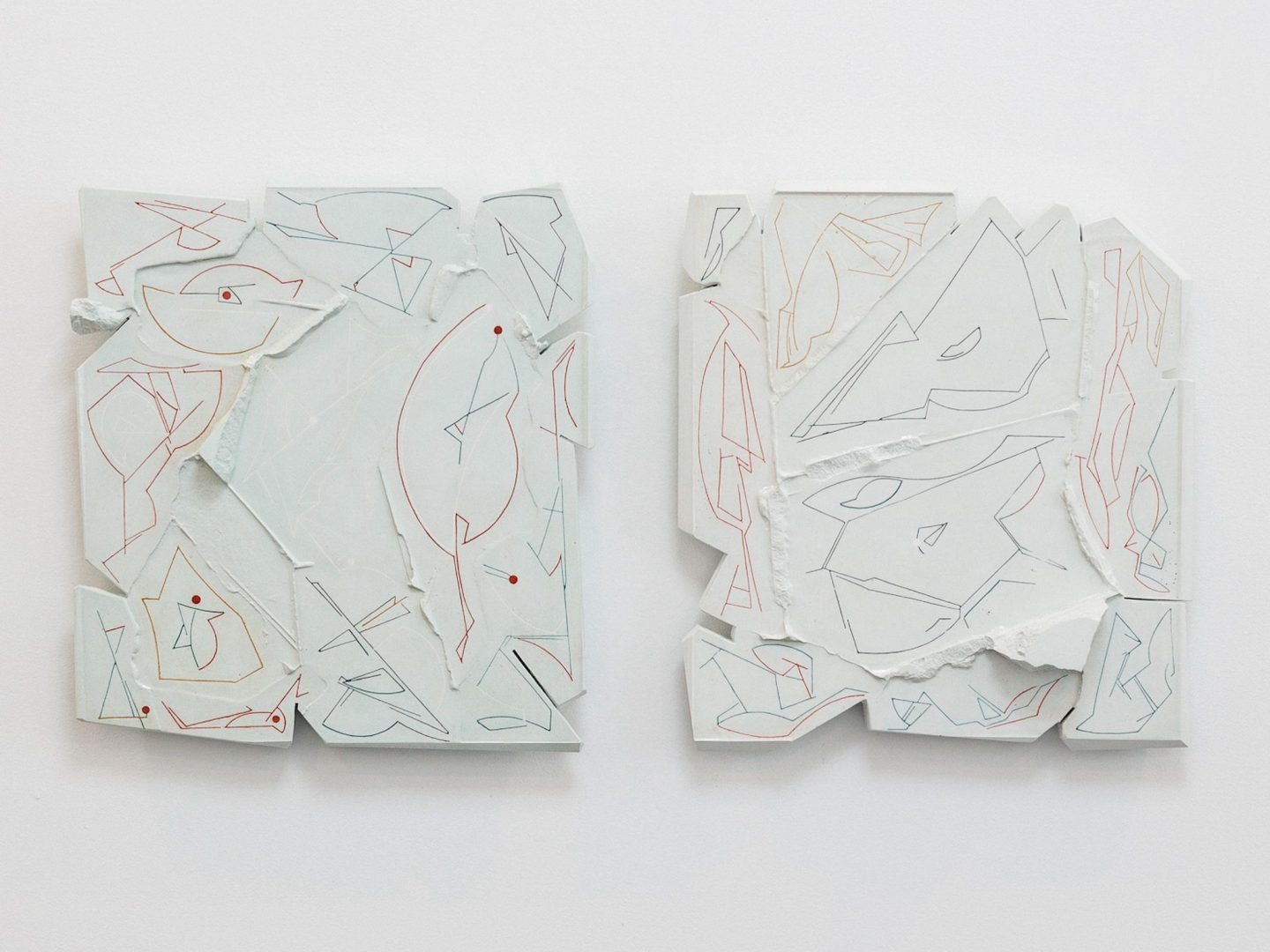
In today’s contemporary art landscape, where mixed media is increasingly prominent, exploring the development of 2D imagery for 3D forms offers a timely approach in ceramics. This two-week immersive workshop investigates the intersection of photography, digital processes, and ceramics, encouraging students to combine and expand these media in innovative ways.Focusing on narrative development, participants work with personal, found, or generated images to create compelling visual stories on clay surfaces. The workshop emphasizes the conceptual potential of photographic imagery and pictorial illustration, guiding students in designing and producing photographic decals for transfer onto fired ceramic forms. Students will handbuild forms, then move into image preparation, design, and transfer techniques. By the end of the workshop, participants will have gained both technical skills and conceptual strategies to integrate 2D and 3D elements seamlessly, opening new possibilities for contemporary ceramic practice.
-
II
Level II
Students have a basic understanding of forming techniques, such as throwing and hand building. Students have taken one or two ceramics classes or workshops.
-
III
Level III
Students have significant experience with clay forming techniques, such as throwing, hand building and modeling. Students are comfortable with ceramics equipment, such as wheels, extruders and slab rollers. Students are self-starting with some formal training and have taken a minimum of three classes or workshops.
Jul 27 - Aug 7, 2026
9 AM - 5 PM
Casting Possibilities: Generative Mold and Form Making
Hae Won Sohn
Tuition $1,795
Code C0911-26
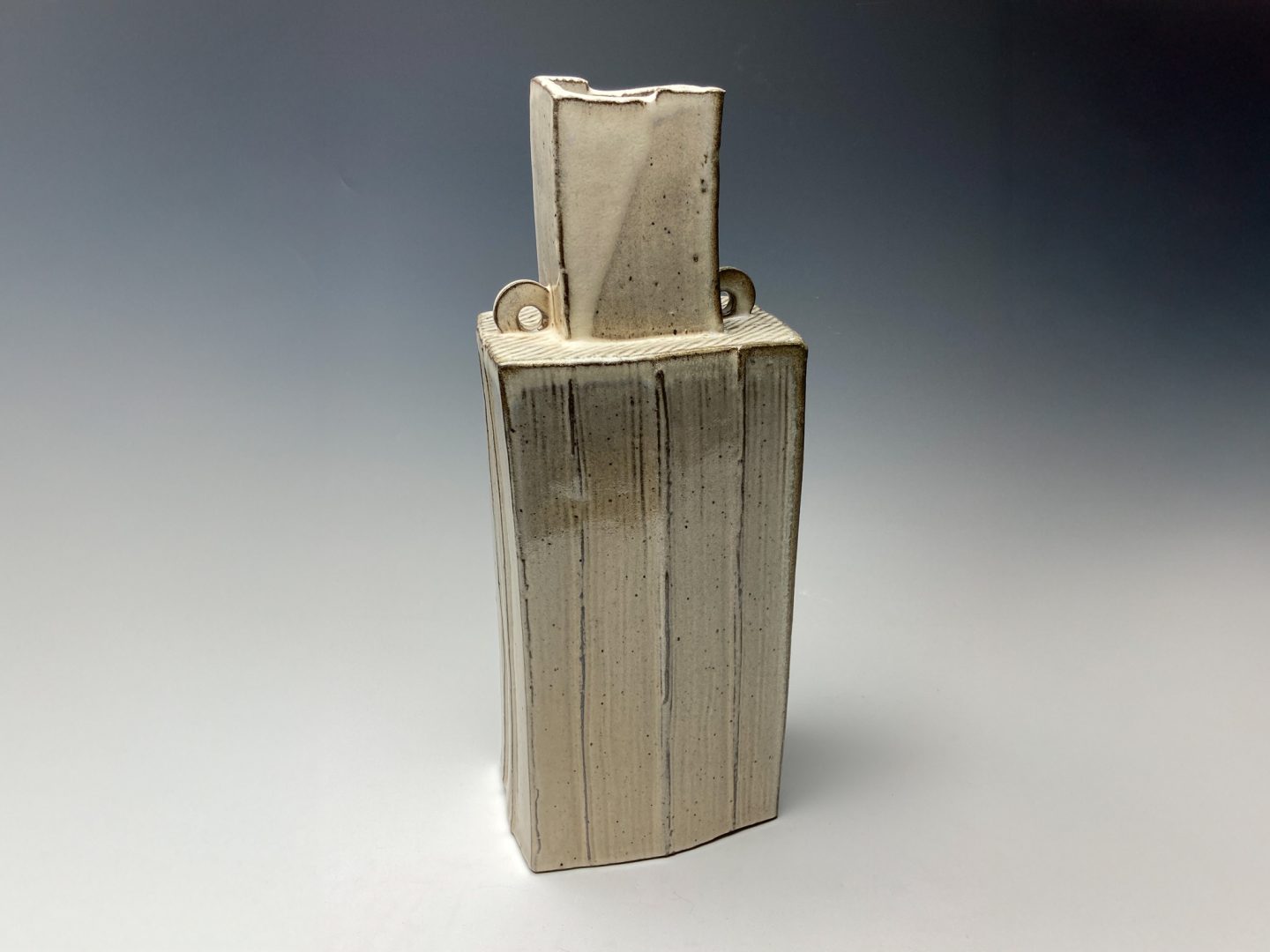
This workshop explores reverse thinking between mold and cast, treating the mold as an evolving work of art itself. Beginning with plaster prototyping, mold-making, and slip-casting, students discover plaster's versatility as both medium and tool. Not a traditional mold-making workshop, the course encourages students to move beyond convention, treating mold-making not only as a method for producing identical multiples but also as a generative process. By engaging the interplay between form and its inverse, the workshop expands the scope of slip-casting, revealing mold-making's potential for invention and new formal possibilities.
-
III
Level III
Students have significant experience with clay forming techniques, such as throwing, hand building and modeling. Students are comfortable with ceramics equipment, such as wheels, extruders and slab rollers. Students are self-starting with some formal training and have taken a minimum of three classes or workshops.
-
IV
Level IV
Students have advanced skills and knowledge of the ceramics field. Students are highly motivated, have a minimum of five years experience in the field and have a portfolio of their artwork. Typical students are academics and professional artists.
Jul 27 - Aug 7, 2026
9 AM - 5 PM
The Language of Pottery: Ideas and Techniques
Doug Casebeer
Tuition $2,100
Code C0910-26
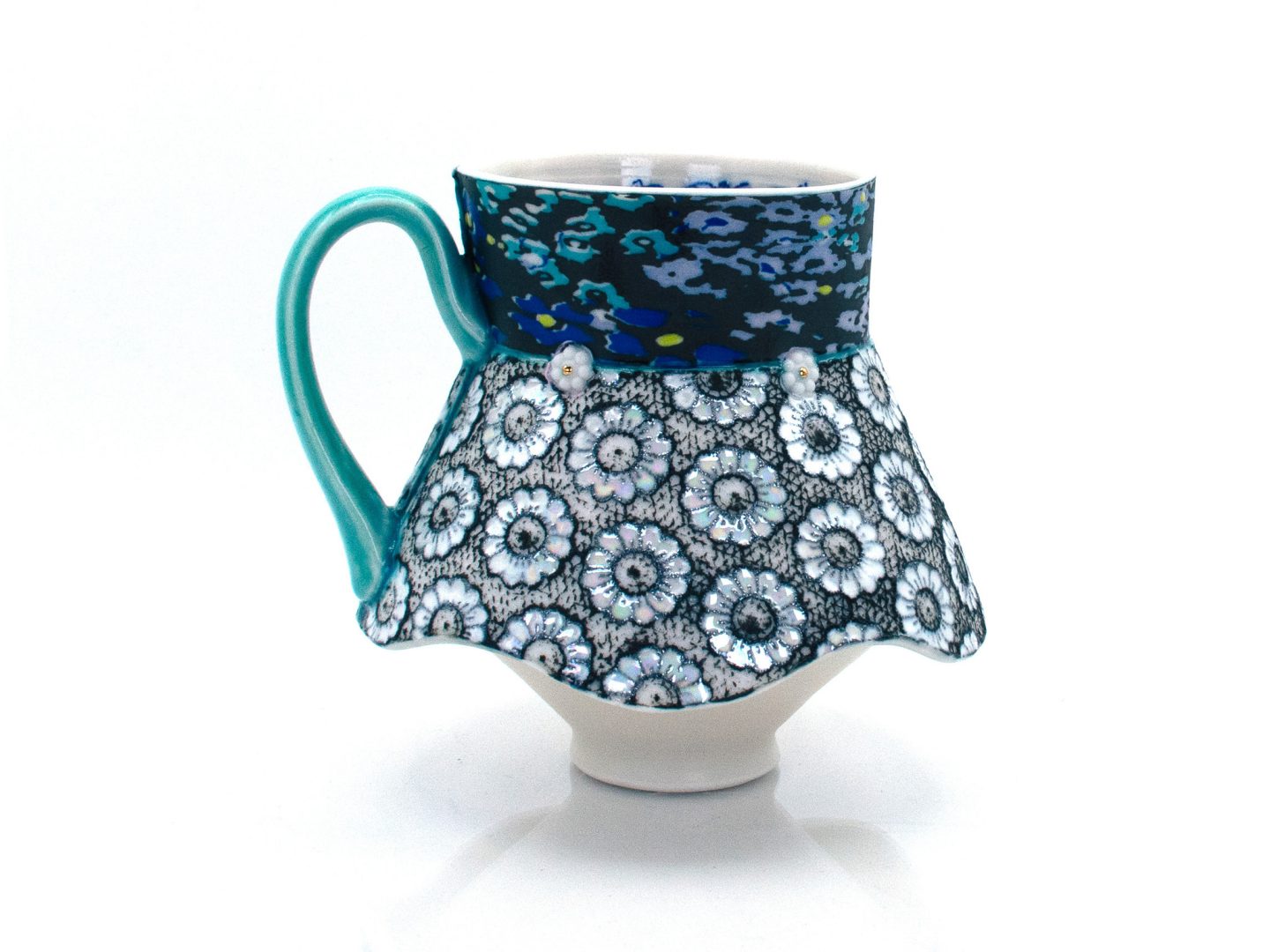
Students focus on developing ideas that resonate with personal meaning and content through exercises and projects that bring forward shapes and forms with thoughtful resolutions. Students are challenged to create pottery and vessels that explore individual life experiences and add new techniques that further develop skills. Participants engage in making objects for the home and kitchen, bringing pleasure into everyday routines.
-
III
Level III
Students have significant experience with clay forming techniques, such as throwing, hand building and modeling. Students are comfortable with ceramics equipment, such as wheels, extruders and slab rollers. Students are self-starting with some formal training and have taken a minimum of three classes or workshops.
-
IV
Level IV
Students have advanced skills and knowledge of the ceramics field. Students are highly motivated, have a minimum of five years experience in the field and have a portfolio of their artwork. Typical students are academics and professional artists.
Aug 10 - 21, 2026
9 AM - 5 PM
Piecing it Together: Slab Building with Clay Fabric
Samantha Briegel
Tuition $1,795
Code C1113-26
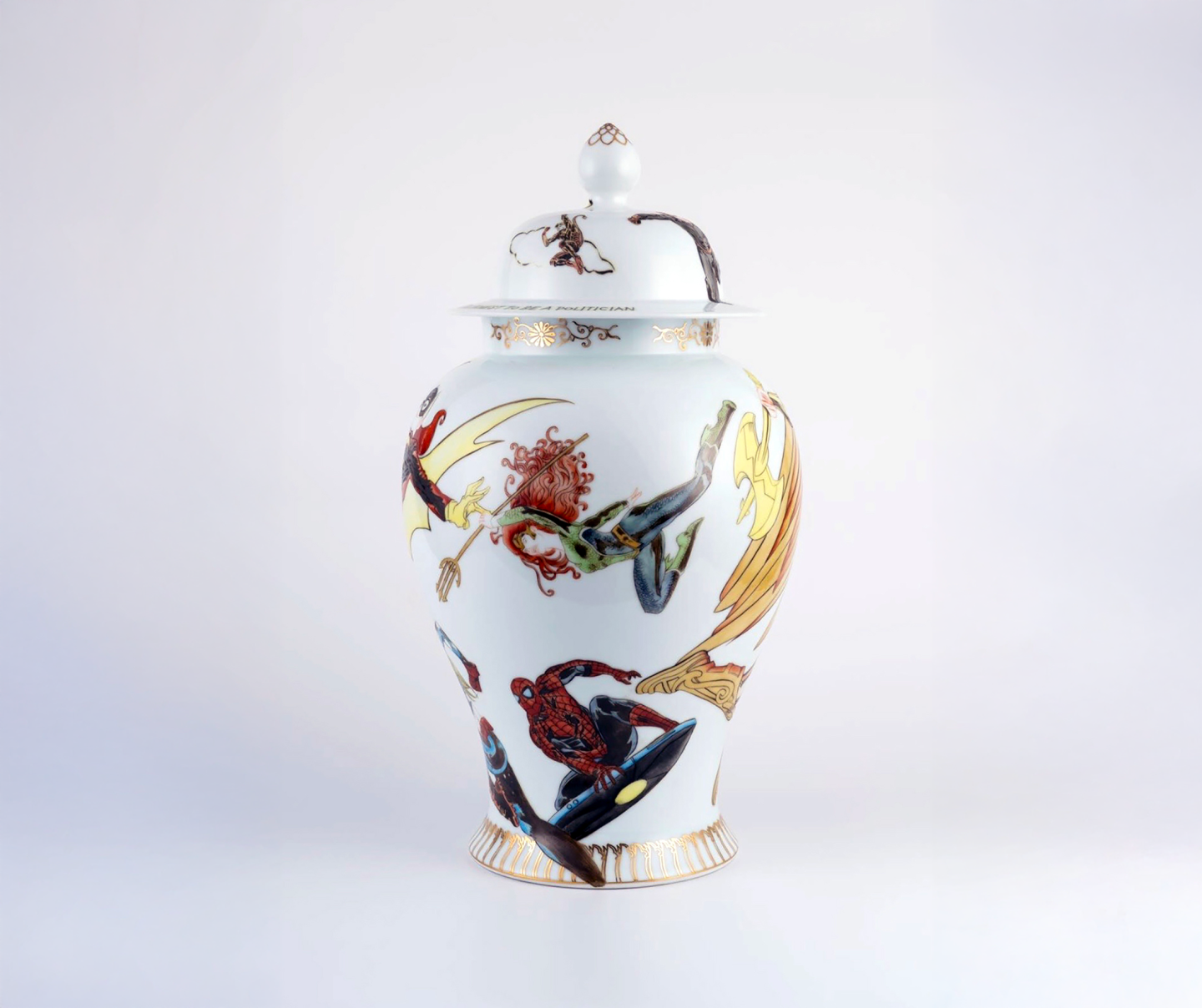
Learn innovative slab surface treatment techniques in this dynamic workshop that combines hand-building, textured decoration, underglaze screen-printing, and particularly the process of building textured slab-molds using fabric and plaster. Students design and create their own cast textured clay slabs, transforming them into sculptures or functional wares, and explore a technique for applying underglaze color patterns with EZ screens—a technique that can be done easily in a home studio. We learn the art of creating templates and stencils for printing onto clay slab surfaces, and come away from the workshop with plaster texture molds, screenprinted stencils, and several finished works. The workshop is ideal for students who are skilled in slab building functional pottery and want to invigorate their practices with new surface techniques.
-
P
Portfolio Review Required
Students have advanced skills and knowledge of the ceramics field. Students are highly motivated, have a minimum of five years experience in the field and have a portfolio of their artwork. Typical students are academics and professional artists.
-
AMS
Advanced Mentored Studies
Aug 10 - 21, 2026
9AM - 5PM
Advanced Mentored Studies: Centering a Ceramic Studio Practice Through Material and Meaning
Audrey An, Shoji Satake
Tuition $3,000
Code C1112-26
This three-year mentorship program supports ceramic artists in deepening their practice and expanding their professional portfolios through guided mentorship within an immersive studio-research environment. Participants receive individualized support, dedicated studio time, and critical dialogue while working independently within a collaborative community of peers. The program emphasizes conceptual development, craftsmanship, experimentation, and interdisciplinary approaches. Over its course, artists refine their practice, develop innovative methods, and complete a capstone project that reflects their artistic growth while exploring clay's unique capacity to shape ideas, narratives, personal histories, and identities in transformative ways. In-Person Sessions at Anderson Ranch: August 10 - 21, 2026 August 9 - 20, 2027 August 7 - 18, 2028 Participants engage in a two-week in-person residency at Anderson Ranch (one each of the three consecutive summers), complemented by ongoing virtual engagement throughout the program. Each year includes two personalized one-on-one mentorship sessions via Zoom and a virtual group critique held in January. The program's final online Zoom meeting will be in April 2028, followed by the final on-campus two-week-long session in summer 2028. The final in-person session on campus culminates with a capstone exhibition in Anderson Ranch's Patton-Malott Gallery. Tuition is listed per year. Lodging and meals are additional. To Apply: Applications will be accepted on a rolling basis with a deadline of February 28, 2026. To apply, please complete the 2026 Advanced Mentored Studies Online Application. A non-refundable deposit of $650 per workshop is required to reserve a space for an adult. Questions? For more information about the next session of the Advanced Mentored Studies Program, please contact: Betsy Alwin, Artistic Director of Ceramics and Expanded Media, [email protected].
-
II
Level II
Students have a basic understanding of forming techniques, such as throwing and hand building. Students have taken one or two ceramics classes or workshops.
-
III
Level III
Students have significant experience with clay forming techniques, such as throwing, hand building and modeling. Students are comfortable with ceramics equipment, such as wheels, extruders and slab rollers. Students are self-starting with some formal training and have taken a minimum of three classes or workshops.
-
IV
Level IV
Students have advanced skills and knowledge of the ceramics field. Students are highly motivated, have a minimum of five years experience in the field and have a portfolio of their artwork. Typical students are academics and professional artists.
Aug 24 - Sep 4, 2026
9 AM - 5 PM
Find Your Fire: An Introduction to Saggar Firing
Suzanne Hill
Tuition $1,795
Code C1314-26
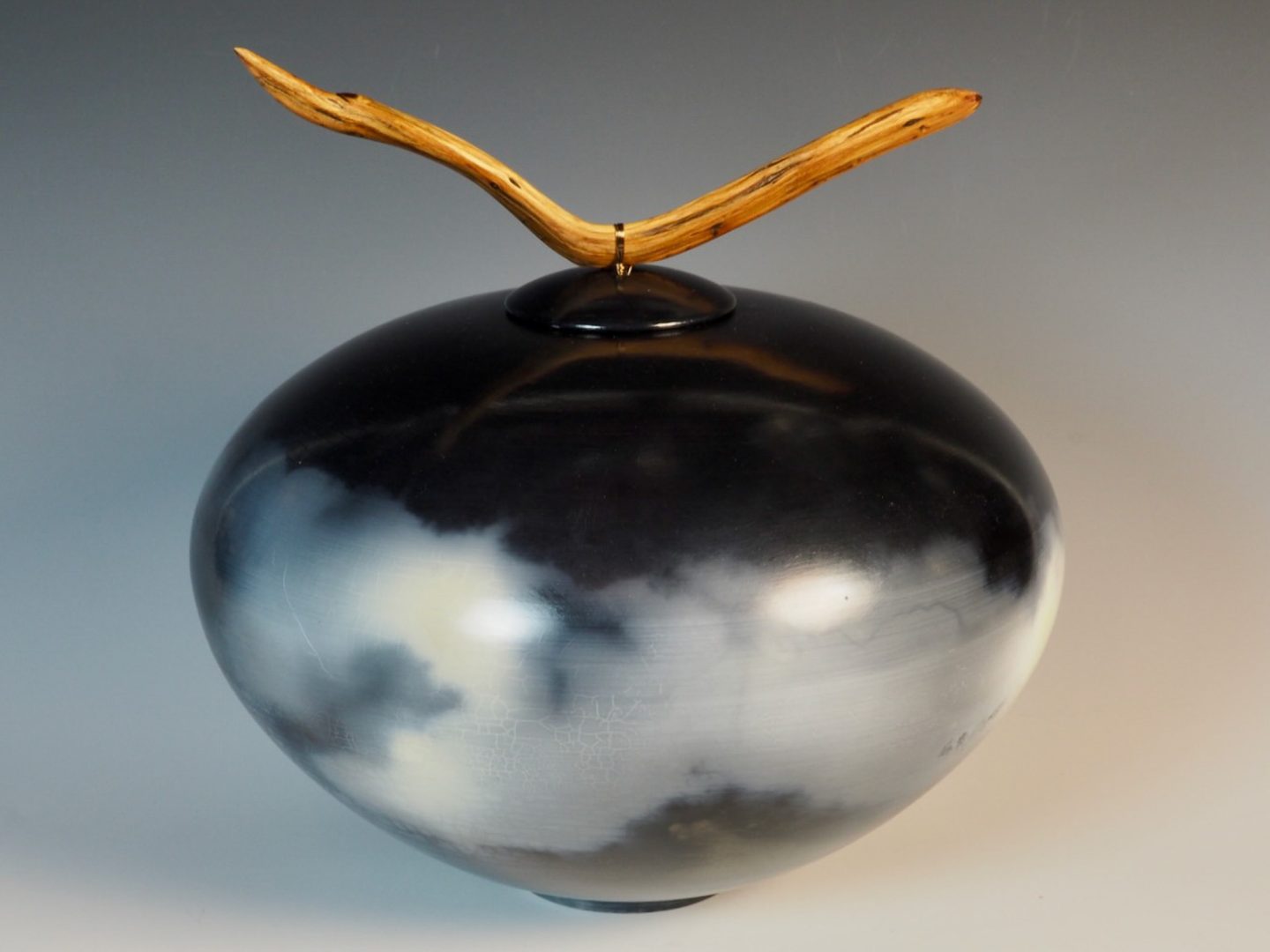
Be immersed in the experimental and unique characteristics of saggar firing. A saggar allows for multiple miniature atmospheric environments to develop in a gas kiln. We explore all the facets of saggar firing, from making saggars, producing the work to be fired, preparing the combustibles, and firing the finished pieces. The aim of this workshop is for students to learn about firing different combustibles and how they affect each outcome, and to leave with the knowledge to create their own firing vocabulary and keep on experimenting.
-
I
Level I
Students are new to ceramics and have no formal training.
Aug 24 - 28, 2026
9 AM - 5 PM
Beginning Adult Wheel: Back to Basics
Anne Goldberg
Tuition $1,300
Code C1315-26
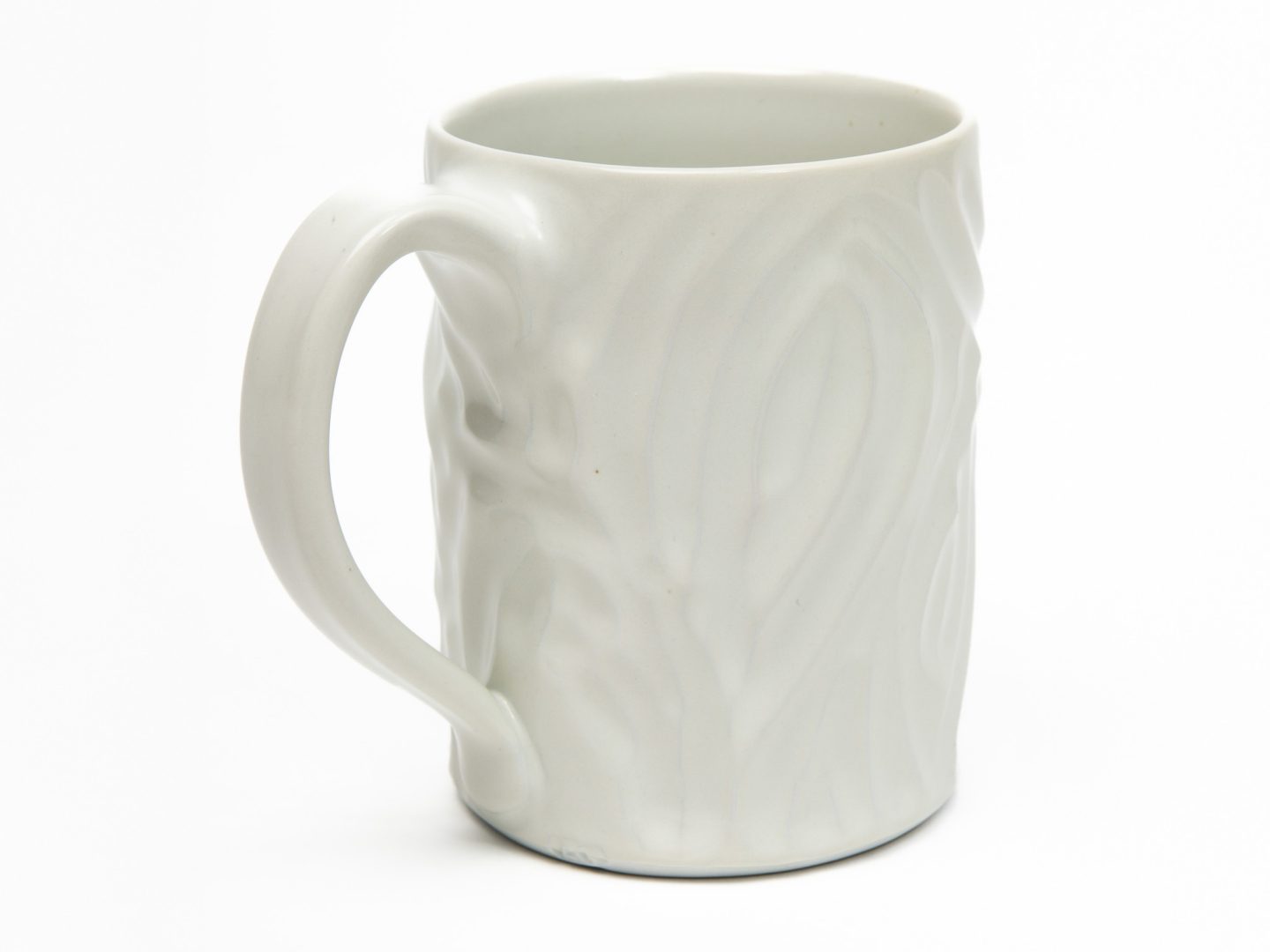
This workshop is designed for beginning students who have never touched clay before, and intermediate students wanting to improve their throwing skills. Students start with centering the clay and work their way to the creation of forms: cylinders, bowls, mugs, and vases. This workshop focuses on wheel-throwing, though participants are able to experiment with underglaze and slip decoration, and glazing. Work finished early in the week will be glaze fired to cone 6; work completed later in the week will be bisque fired.
-
I
Level I
Students are new to ceramics and have no formal training.
Aug 31 - Sep 4, 2026
9 AM - 5 PM
Basic Mold Making for Slip or Slab Casting
Betsy Alwin
Tuition $1,300
Code C1416-26
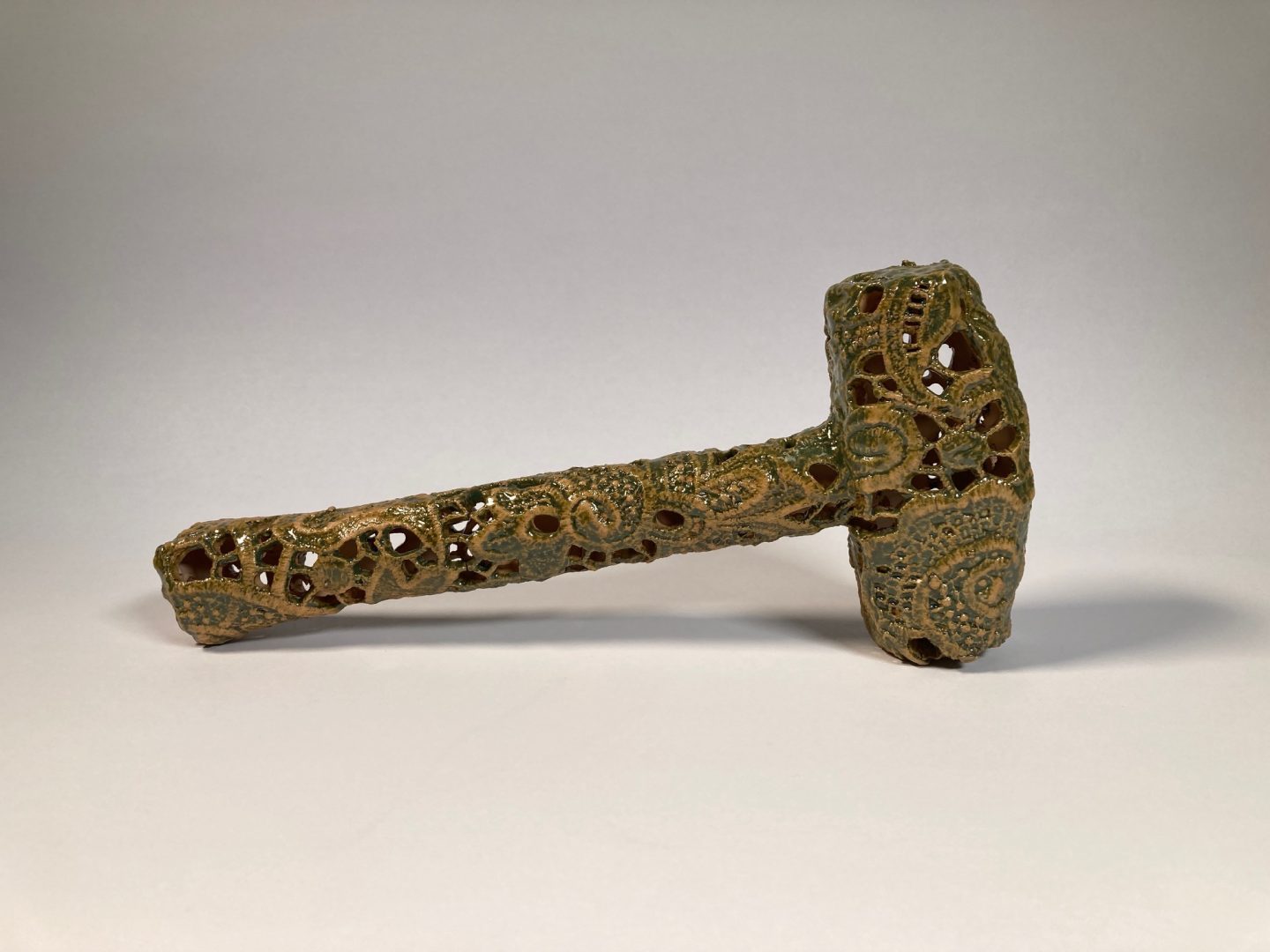
This basic mold-making workshop focuses on plaster piece molds for slip and press-mold casting. Students are guided through the technical aspects of design of an object for casting, development of a plaster mold, and methods of casting. Discussion and demonstration give insight to how artists use this practice to create a catalog of forms and objects to use again and again in their work. Participants come away with knowledge of best practices, functioning piece molds, and a bisqued cast form.
-
O
Open to All
Students of any skill and knowledge level.
Aug 31 - Sep 4, 2026
9 AM - 5 PM
Printing with Colored Clay: Building Ink Prints on Unfired Ceramic Slabs
Pam Porter
Tuition $1,300
Code C1417-26
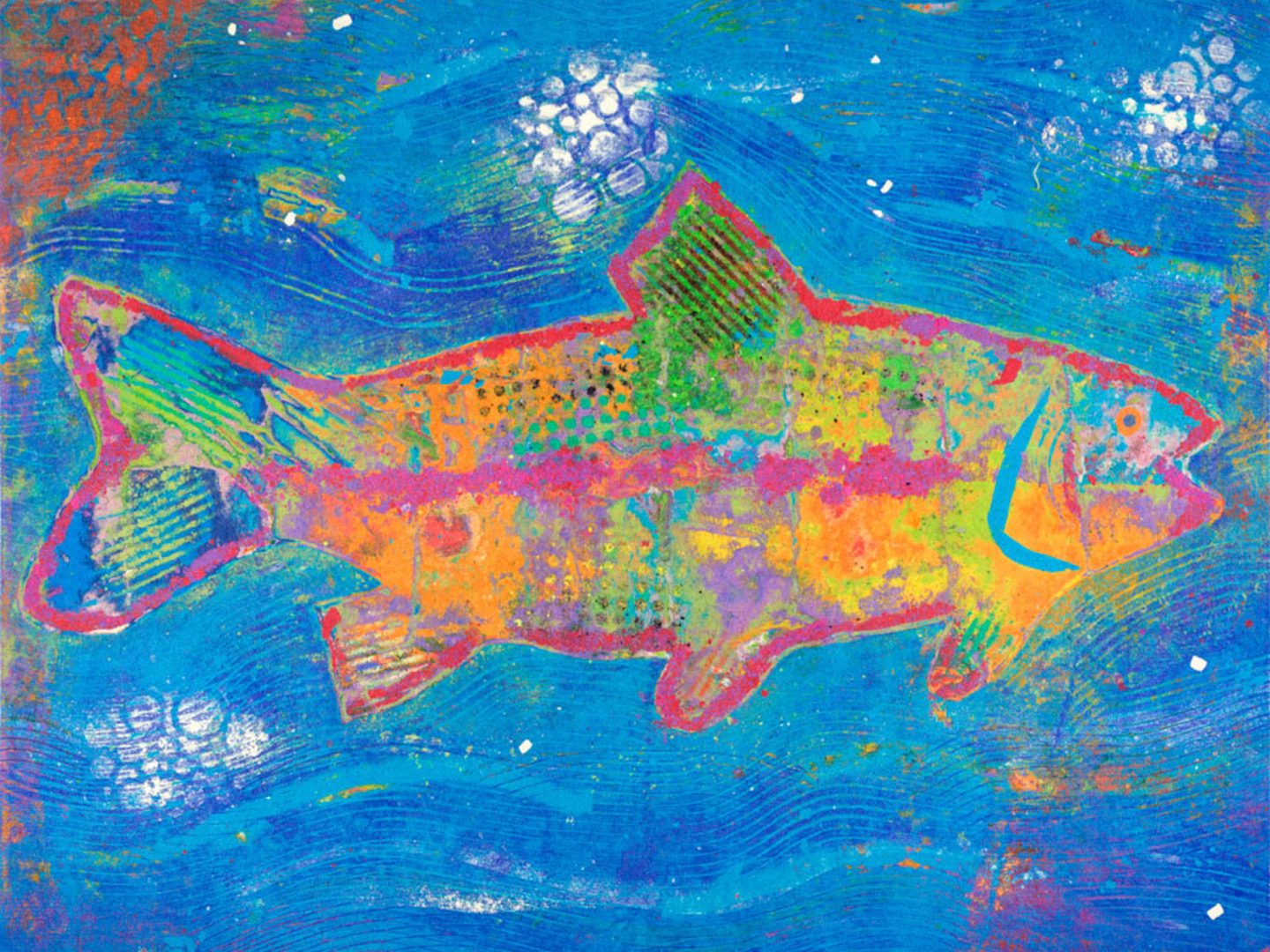
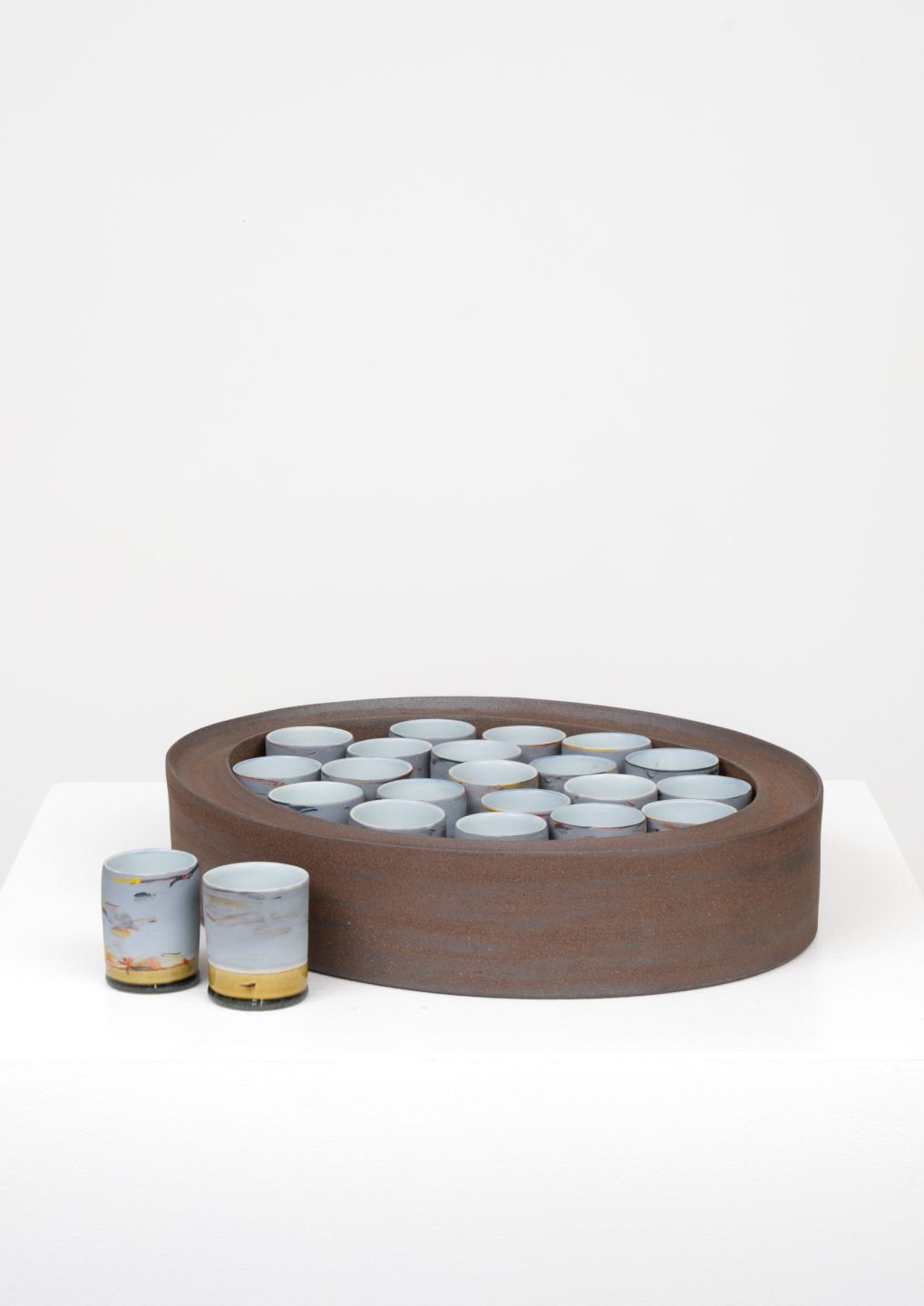
Clay printing, also known as clay monoprinting or printing with colored clay, offers a unique way to use clay—not by firing slabs, but by transforming them into richly detailed printing plates. Using pigments made from clay slips and universal tints, participants layer colors, textures, and patterns onto a slab of leather-hard clay to create one-of-a-kind imagery. Once the design is ready, special canvas is placed on top and hand-rolled, capturing the clay's intricate surface in a vibrant monoprint. The workshop combines clear instruction with playful experimentation, making it ideal for artists and enthusiasts eager to explore a new approach. Students leave with a collection of unique two-dimensional works on canvas. Click here to learn more about Pam's clay printing process.
-
III
Level III
Students have significant experience with clay forming techniques, such as throwing, hand building and modeling. Students are comfortable with ceramics equipment, such as wheels, extruders and slab rollers. Students are self-starting with some formal training and have taken a minimum of three classes or workshops.
-
IV
Level IV
Students have advanced skills and knowledge of the ceramics field. Students are highly motivated, have a minimum of five years experience in the field and have a portfolio of their artwork. Typical students are academics and professional artists.
Sep 7 - 18, 2026
9 AM - 5 PM
Studio Farm Table: The Art of Dining
Peter Beasecker, Barclay Dodge
Tuition $2,300
Code C1518-26
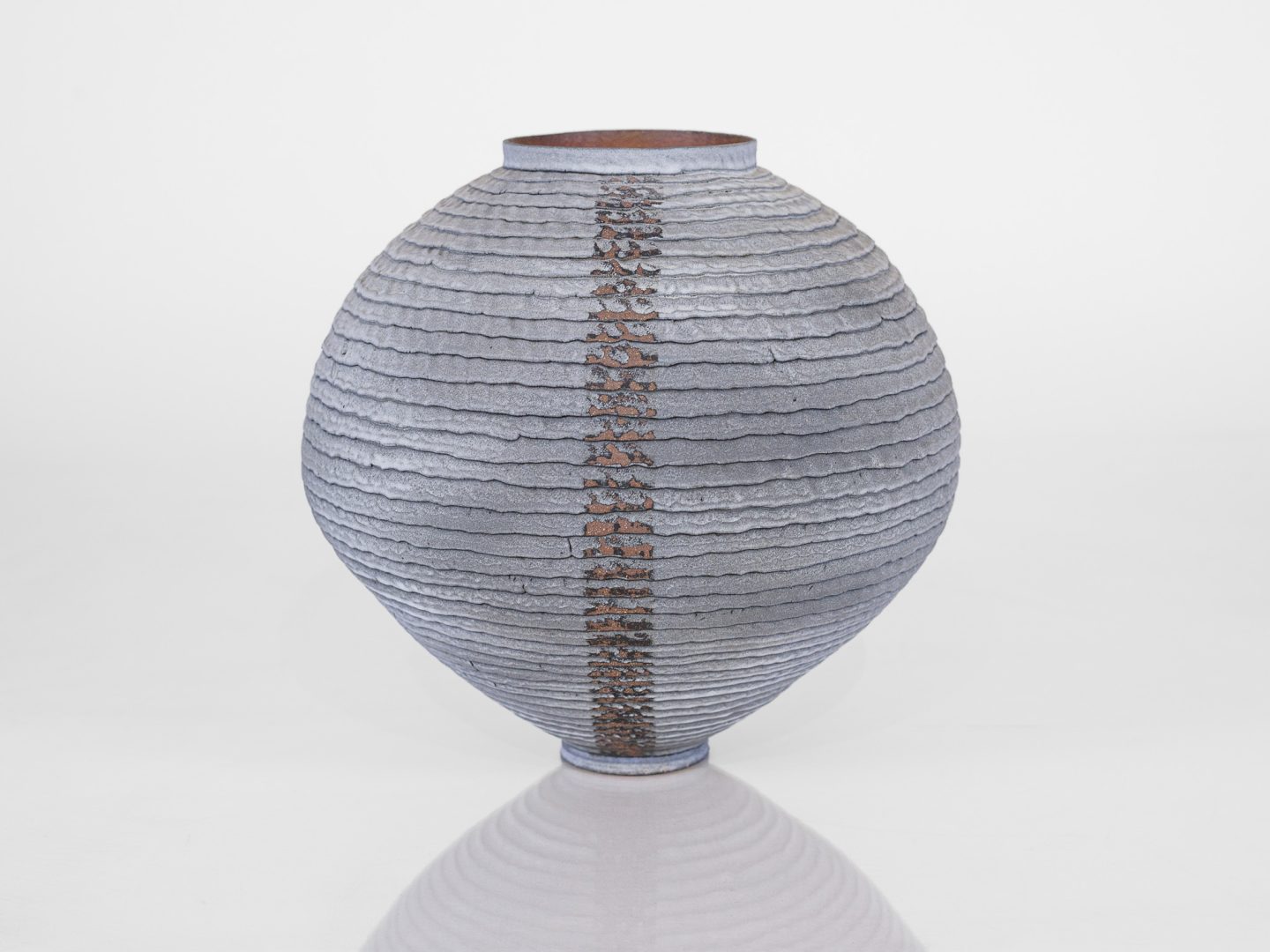
This intensive workshop focuses on thinking, forming, and exploring new possibilities with utilitarian pottery. The guest artist, Chef Barclay Dodge, discusses presentation, creative decision-making, and seasonal influences, sharing a menu to inspire participants in the creation of tableware. Studio work and firings culminate in a multi-course meal—served on the dishes we make in the workshop — at the acclaimed Aspen restaurant Bosq. Demonstrations, discussions, and presentations focus on personal expression in pottery as it moves between both service and display.
-
O
Open to All
Students of any skill and knowledge level.
Sep 7 - 11, 2026
9 AM - 5 PM
Intensive Coil Building: Moon Jar
Joanne Seongweon Lee
Tuition $1,300
Code C1519-26
Experience the meditative process of coiling delicate vessels in porcelain. During this one-week workshop, Joanne teaches how to effectively roll thin coils and use them to build basic forms. Participants gain confidence and skills, working up to complex forms, including the elegant Moon Jar. Students can expect to leave with new, refined skills to continue practicing in their home studios. Though the focus of this workshop is practice, students leave with some finished and some bisqued work. The workshop is for anyone who has taken beginner workshops or has had some experience with clay.
Additional Summer Workshops
Anderson Ranch Arts Center is thrilled to present over 150 workshops in seven mediums led by world-renowned faculty. Whether you’re exploring a new passion or refining your craft, there’s a seat waiting for you. View all workshops.
Not sure where to begin? Our friendly artistic staff are here to help guide your creative path. Email us at [email protected], and we’ll match you with the perfect workshop.
About the Studios
Ceramics Facilities
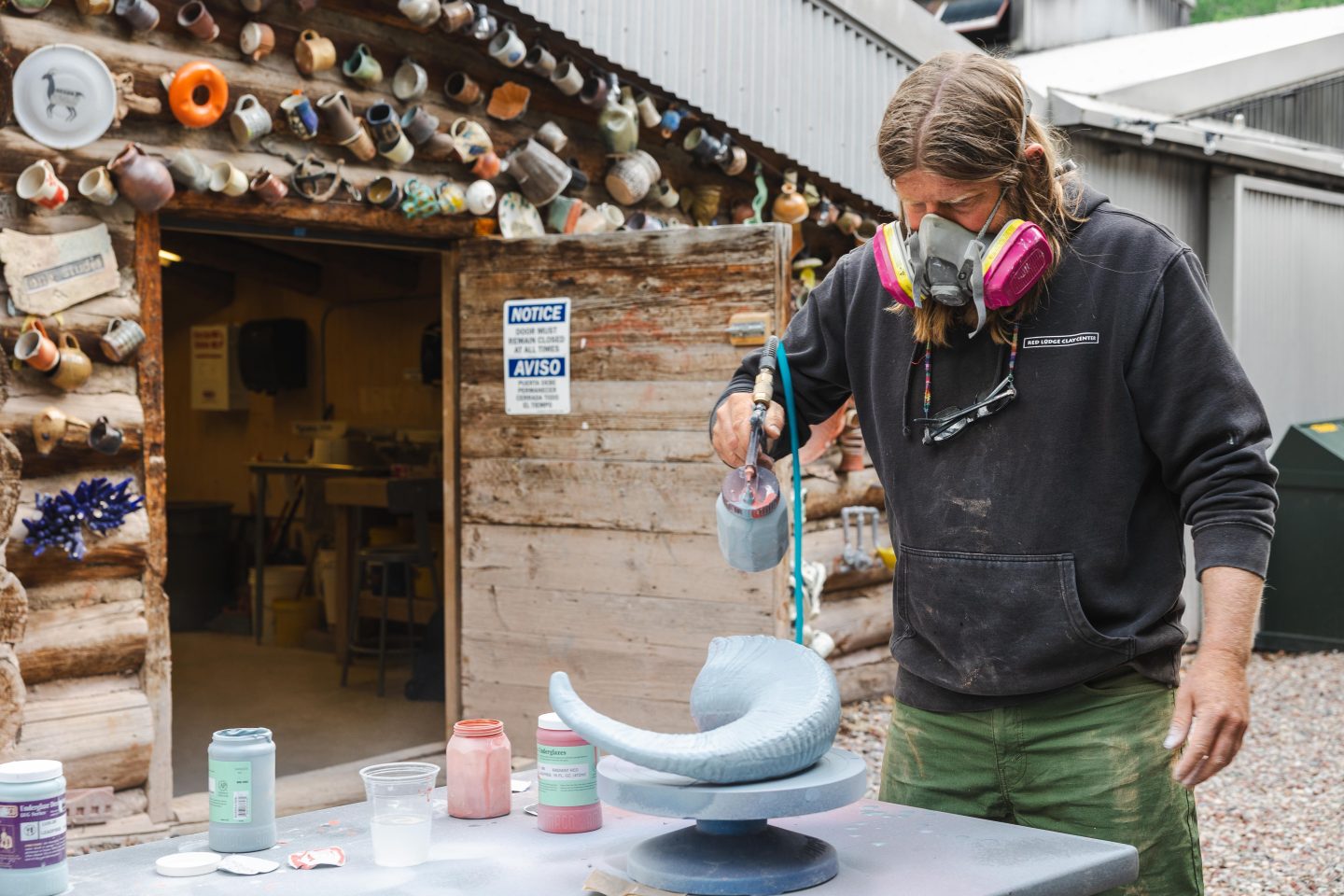
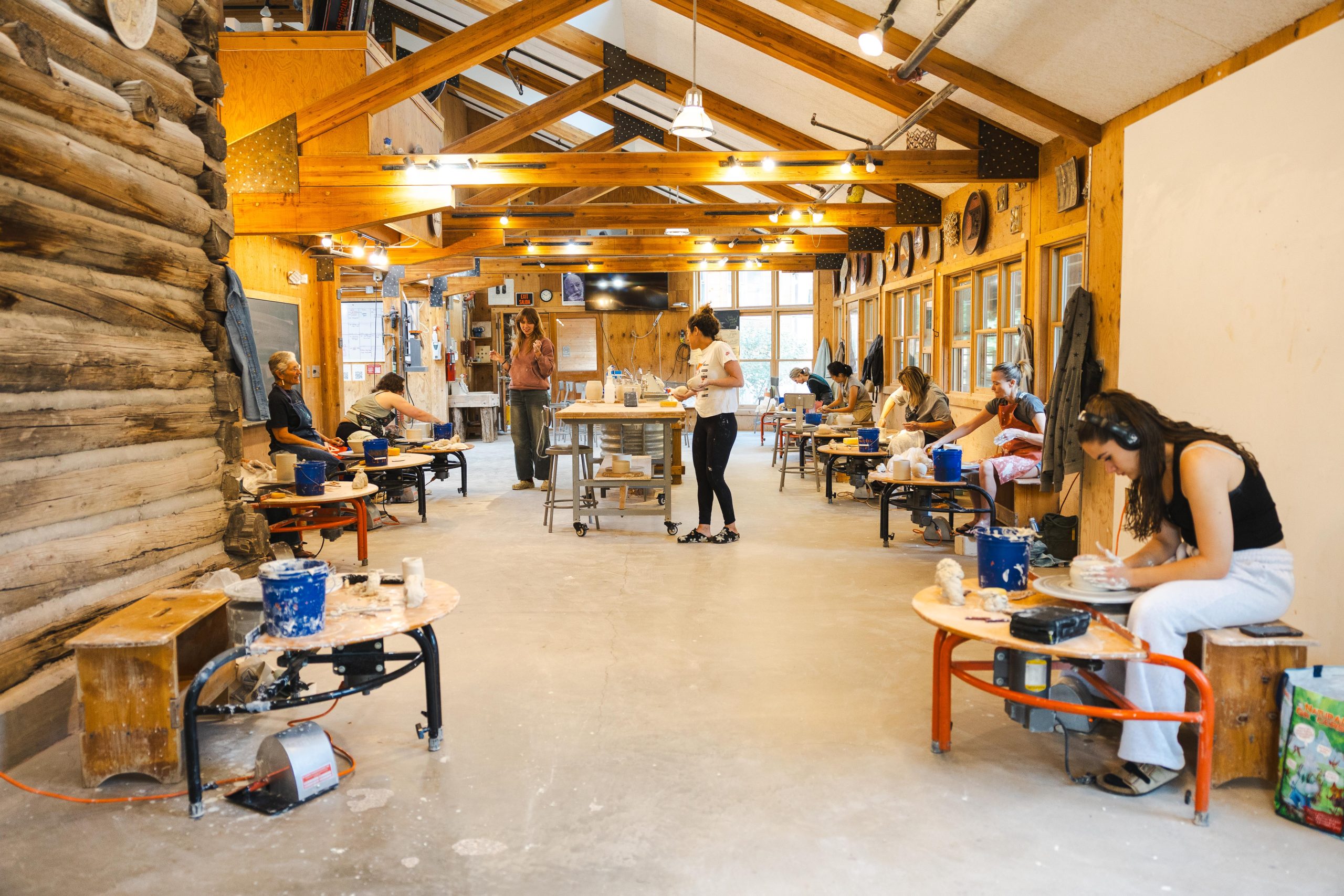
The Soldner Ceramics Center at Anderson Ranch Arts Center offers more than 10,000 square feet of state-of-the-art ceramics facilities, supporting traditional, contemporary, and experimental ceramic and pottery practices. The center includes three studios and a dedicated kiln yard across multiple buildings.
The Studios
-
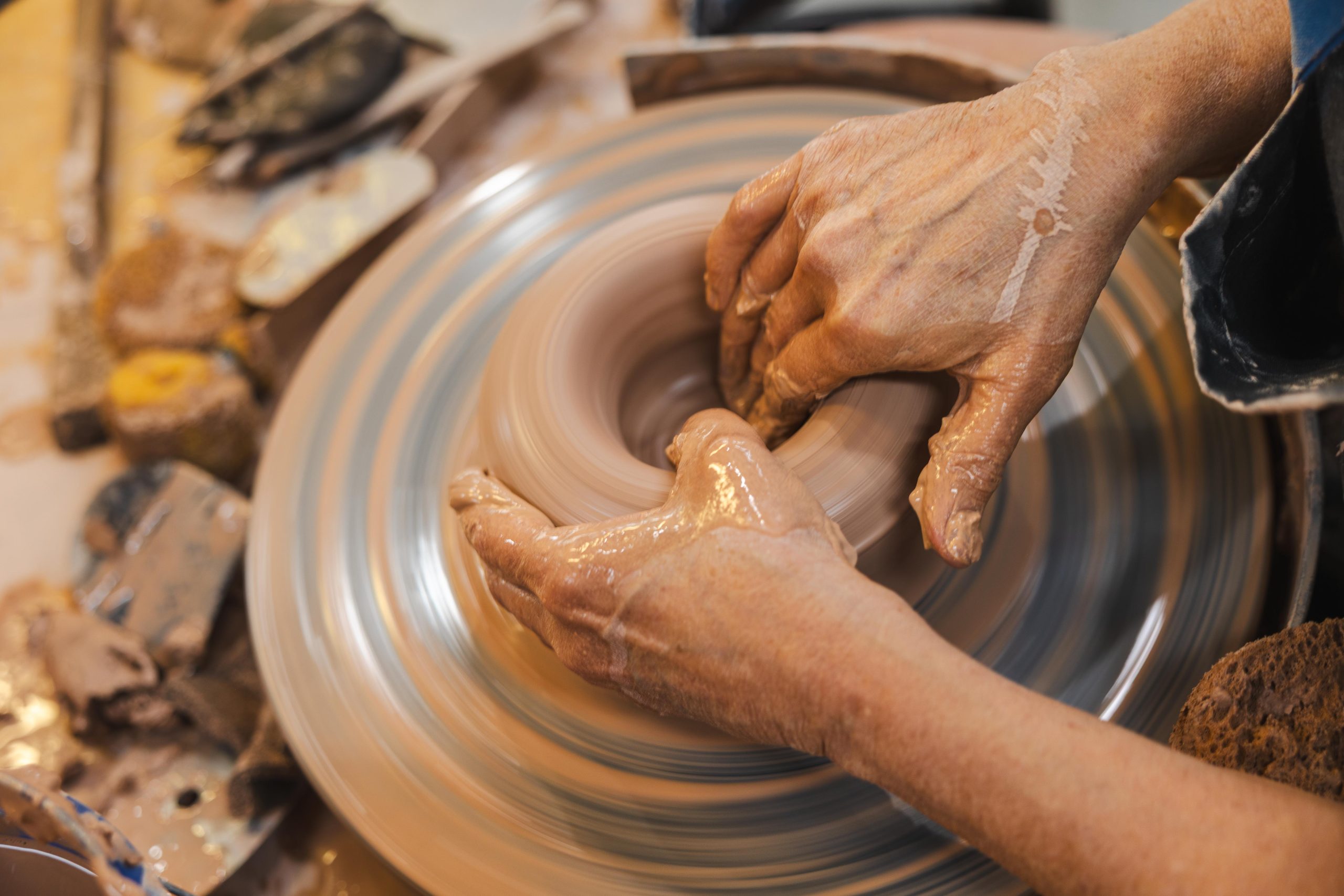
Soldner Studio & Long Studio: Wheel throwing, handbuilding, and general ceramics practice
-
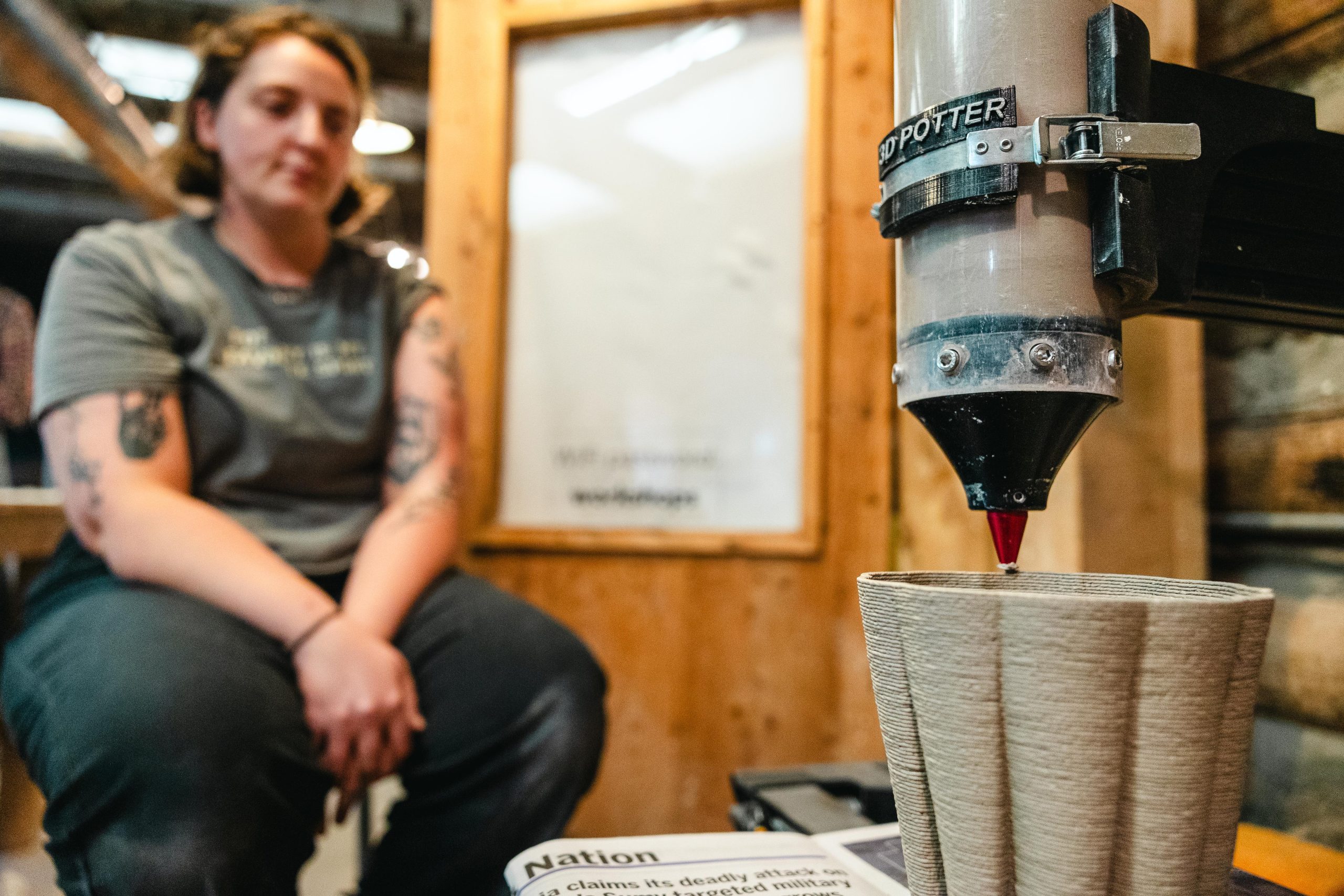
Sorenson Studio: Equipped with five PotterBot 3D clay printers for digital and experimental ceramics
Kilns & Firing Facilities
-
3 wood kilns, including a gas/wood hybrid kiln
-
3 gas reduction kilns
-
1 soda kiln
-
11 high-temperature electric kilns
-
Supports oxidation and reduction firing at all temperature ranges
Together, these facilities make Anderson Ranch a premier destination for ceramics education and advanced kiln firing. Learn more about our studio spaces.
Additional Resources
Reach out! We’ll help you find the perfect workshop.
Are you overwhelmed by workshop options? Or do you know which workshop to take but are unsure about the skill level, faculty, or techniques? Our staff is ready to answer questions and assist in selecting the perfect workshop for your next creative journey. Please feel free to reach out any time, and we can point you in the right direction!

Betsy Alwin
Director of Ceramics and Expanded Media
Call: 970-924-5054