


Ceramics
Code: C0711-25
-
I
Level I
Students are new to ceramics and have no formal training.
-
II
Level II
Students have a basic understanding of forming techniques, such as throwing and hand building. Students have taken one or two ceramics classes or workshops.
Illuminated: Introduction to Clay 3D Printing and Digital Tools
Jul 14 - 25, 2025Past
9AM-5PM
Upcoming Workshops in Ceramics
-
 January Studio Sessions: Ceramics
Jan 4 - 29, 2027
January Studio Sessions: Ceramics
Jan 4 - 29, 2027
Concept
This introductory course to 3D clay printing and digital tools prompts students to investigate the synergy between the handmade arts and technology with the goal of creating a table lamp design. The workshop goes through every step of the process, from preparing clay for successful prints, to designing forms in Rhinoceros 3D, to exploring best practices for operating clay and plastic printers. Students learn different ways of finishing surfaces including airbrush techniques, ultimately completing and wiring a clay printed table lamp that they can take home.
Media & Techniques
3D printing clay, PLA, underglazes. Rhino software, Potterbot software, Potterbot clay printer, spraygun, design, 3D modeling, airbrush techniques, cone 6 oxidation

“At AMACO Brent we believe that creativity should be nurtured and accessible to everyone. That’s why we’re proud to donate materials to support the incredible workshops at Anderson Ranch Arts Center.
Anderson Ranch offers workshops for artists of all ages a chance to explore, experiment, and express themselves through hands-on learning with clay. We’re honored to help provide the tools that make those experiences possible—and excited to see what the participants create!
Here’s to workshops full of inspiration, imagination, and art.”
Faculty

Jolie Ngo
Jolie Ngo is a Vietnamese-American designer based in Santa Barbara, CA. Ngo is revitalizing the metaphoric potential of the vessel form by utilizing clay 3D printing to create bright cyborgian pottery objects that acknowledge early ceramic traditions while smiling towards the future. She received her BFA in Ceramics from Rhode Island School of Design and her MFA in Ceramic art from the New York State College of Ceramics at Alfred University.

Jolie Ngo, Floor Lamp in Fascination
Upcoming Workshops in Ceramics
-
January Studio Sessions: Ceramics
Jan 4 - 29, 2027
Workshop Details
Workshop Supplies
For general information about studio access, shipping, and more, please visit our info page.
If you have any questions regarding your supplies for your workshop, please contact Joanne Seongweon Lee, [email protected].
Provided by Anderson Ranch
Equipment
- 3D PLA Printers
- 3D PotterBot 10 Super
- Airbrush
- Apple Mac
- Lenovo Computer
- Lenovo Laptops
- Rhinoceros 3D
- Shared Tables
Supplies
- Epoxy
- PLA Filaments
- Plastic for Covering Works
- Recycled Newspaper
- Shop Glaze
- The clay allowance is 125 pounds for this two-week workshop. Only the clays and glazes chosen for the workshop will be available for use, which are predetermined by the instructor. Please do not bring additional clay from your studio.
- Underglazes
What you need to bring
Required Tools and Supplies
- 1-2 Basic Lighting Kit
- Apron and/or Towel**
- Basic Pottery Tools**
- External Hard Drive or Flash Drive
- Favorite Pottery Tools From Your Home Studio
- Laptop and Computer Mouse
- Respirator/N-99 Dust Mask**
- Sketchbook/Notebook**
- Variety of Brushes**
Optional Tools and Supplies
- Mason Stains. Students are welcome to bring their own.
- Packing Materials**
- T-Shirt for Screen Printing**
- Underglazes. Anderson Ranch will provide a limited amount of underglazes. Students are welcome to bring their own.
* Available for purchase in the studio.
** Available to purchase at the Anderson Ranch ArtWorks Store for 10% off. The store aims to stock comparable items, though specific products from the supply list may vary based on inventory.
Learn more about shipping supplies and artwork to and from the Ranch in the Student Handbook.
Lodging & Meals
Housing is limited and includes shared and private lodging options. Reservations will be managed on a first-come, first-served basis. The earlier you reserve housing, the better your chance of receiving your preferred option. Please note: Workshop costs do not include accommodations.
NEW: Course fees includes a welcome dinner and lunches. In our effort to foster a stronger sense of community and accessibility at Anderson Ranch, we include the welcome dinner and all lunches as part of course fees for summer workshop students. Our hope is that this adjustment will encourage all students to come together to share meals and engage in meaningful conversations. The Ranch Café Meal Plan, which is included with Room and Board fees, strives to provide healthy, creative meals that will nourish your artistic creativity. Learn more.
We have established a Business Safety Plan with added layers of precaution that prioritize the health and safety of our staff, students, faculty and guests while continuing to provide you with the Anderson Ranch experience that you know and enjoy.
Ceramics
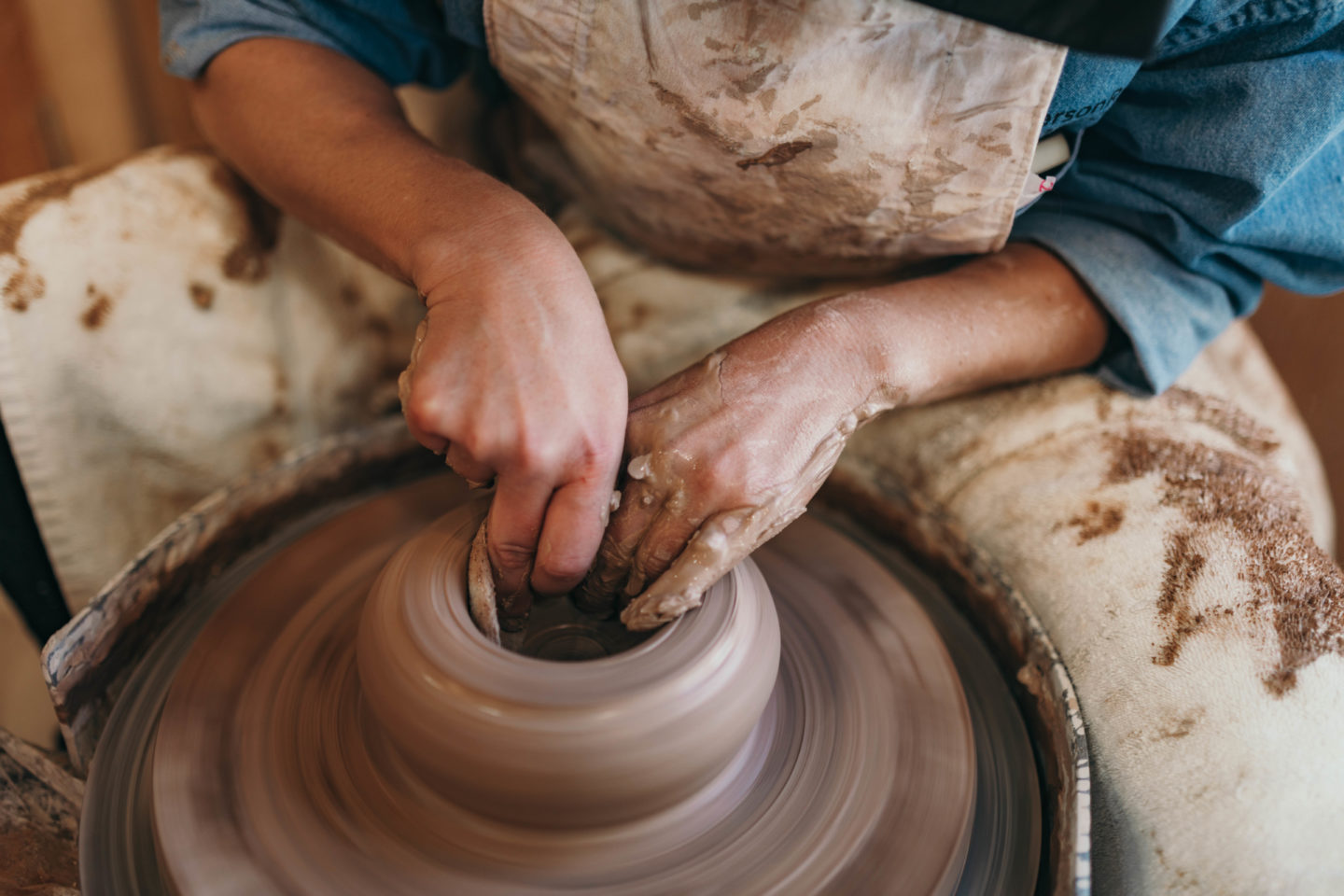
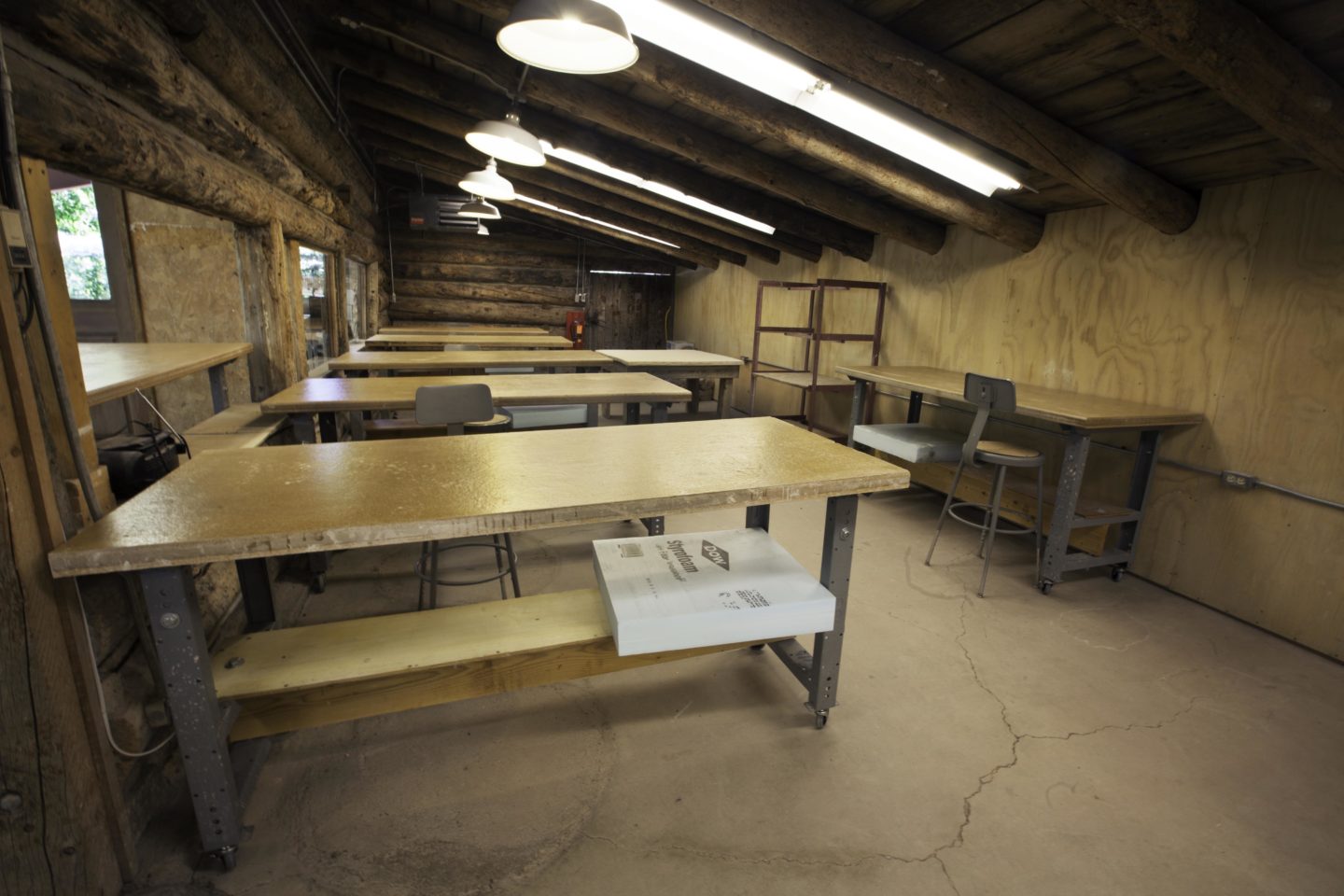
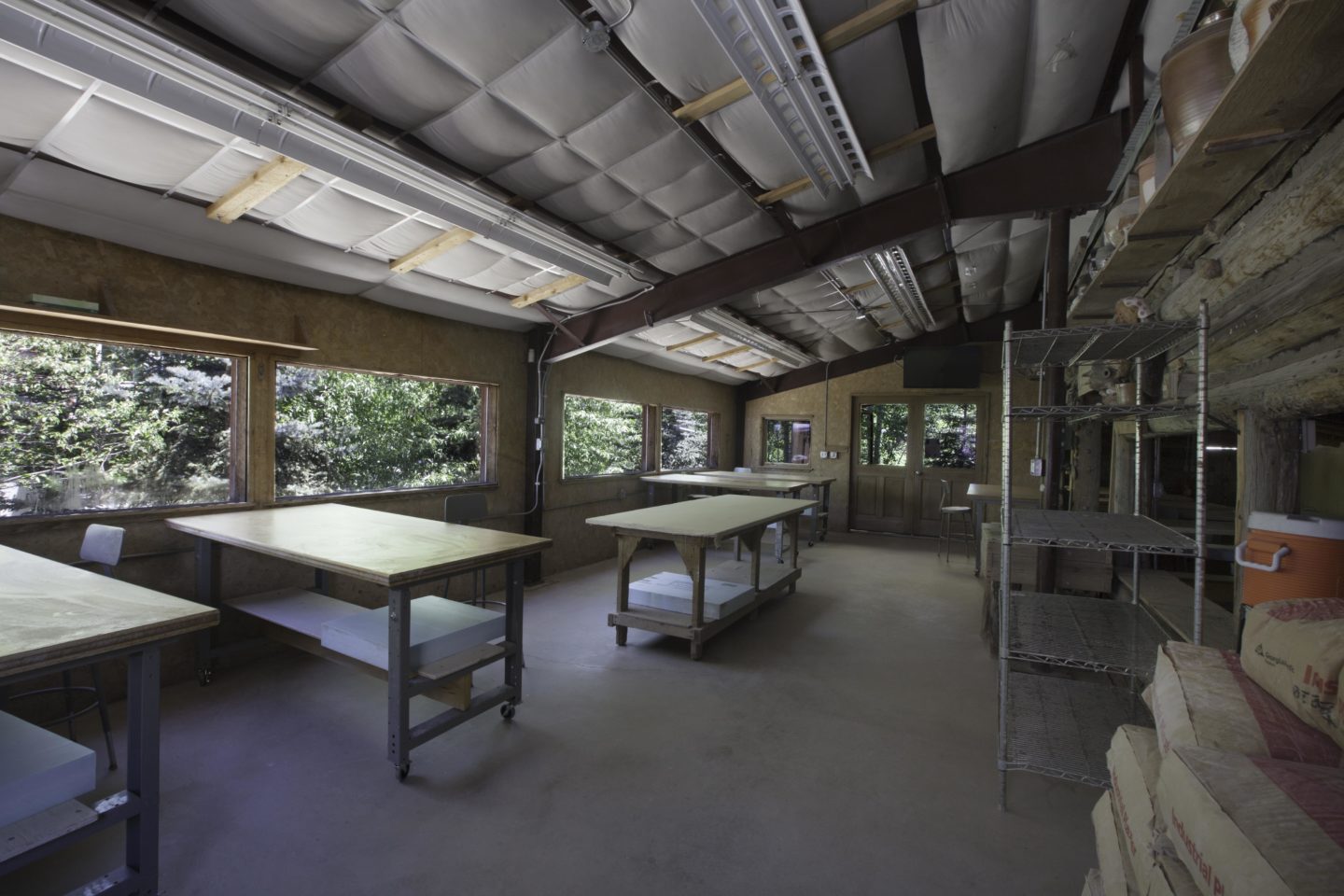

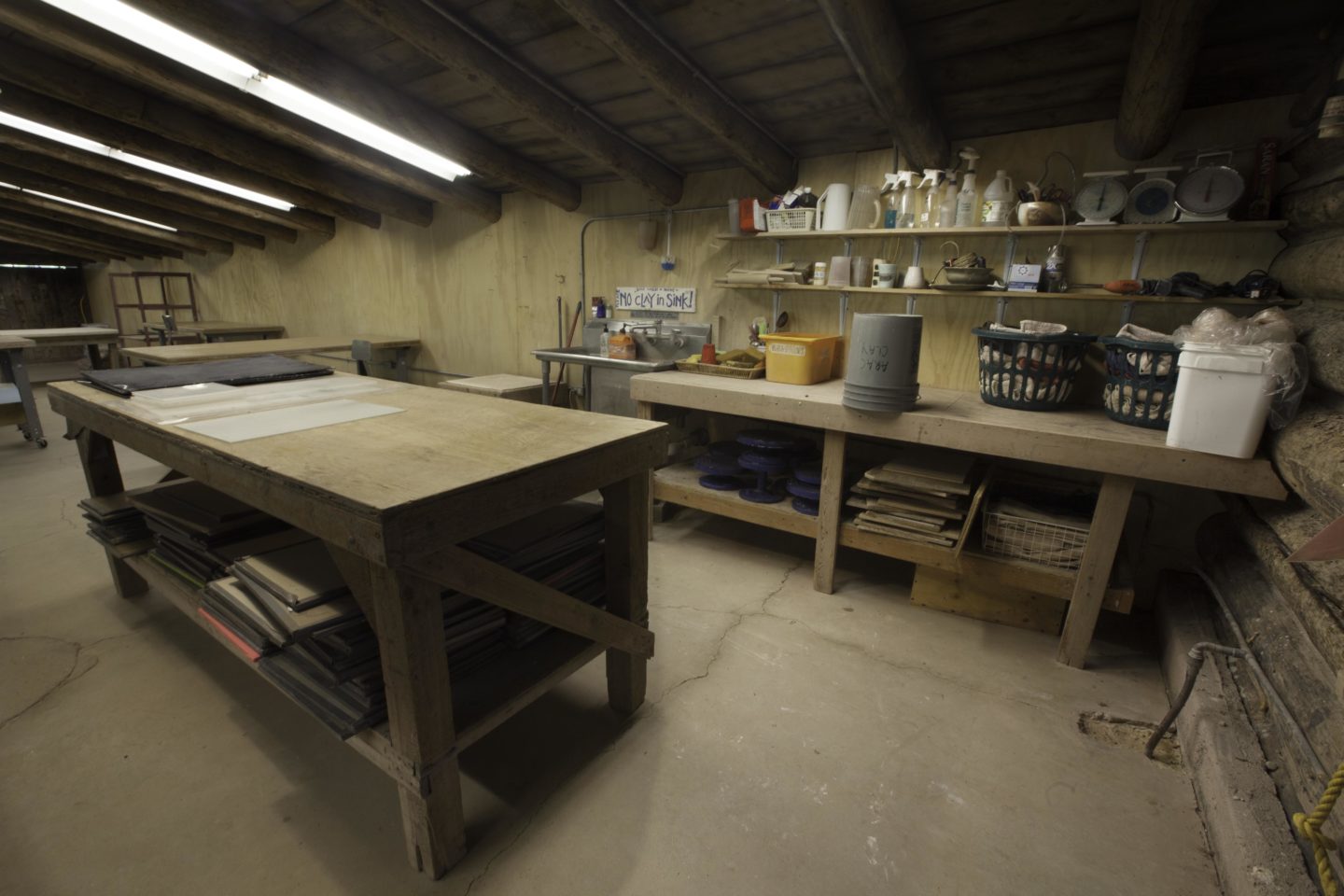
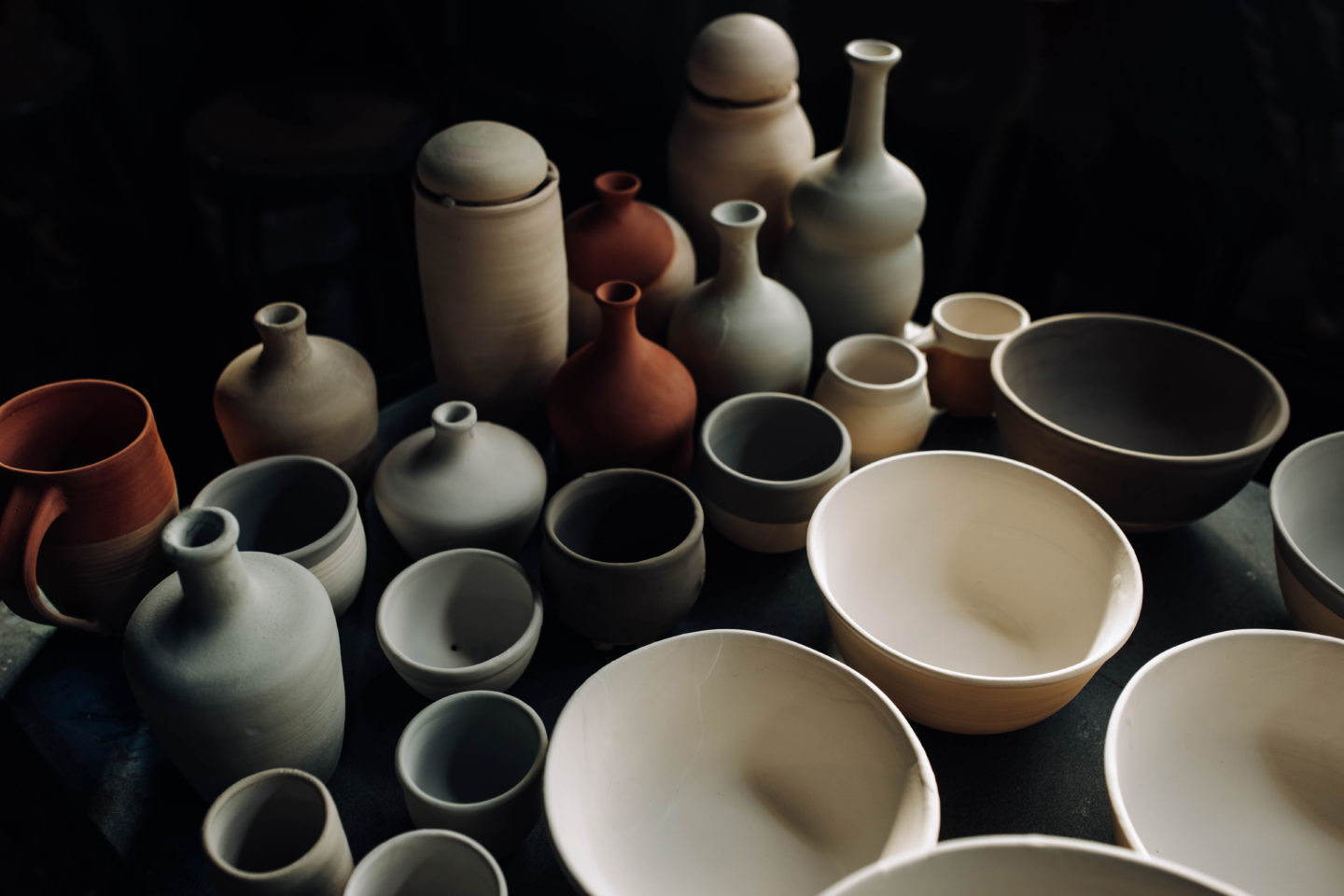

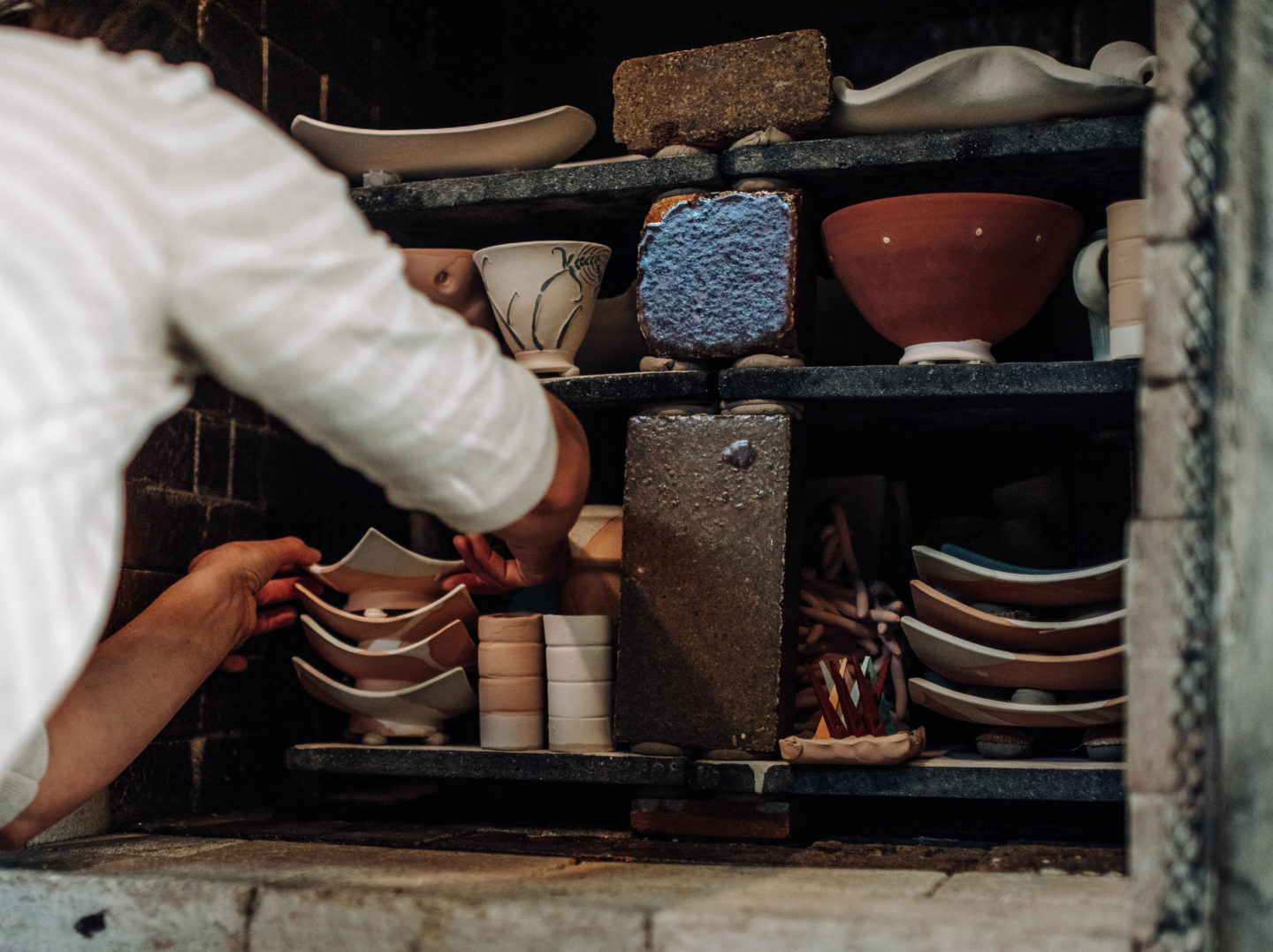
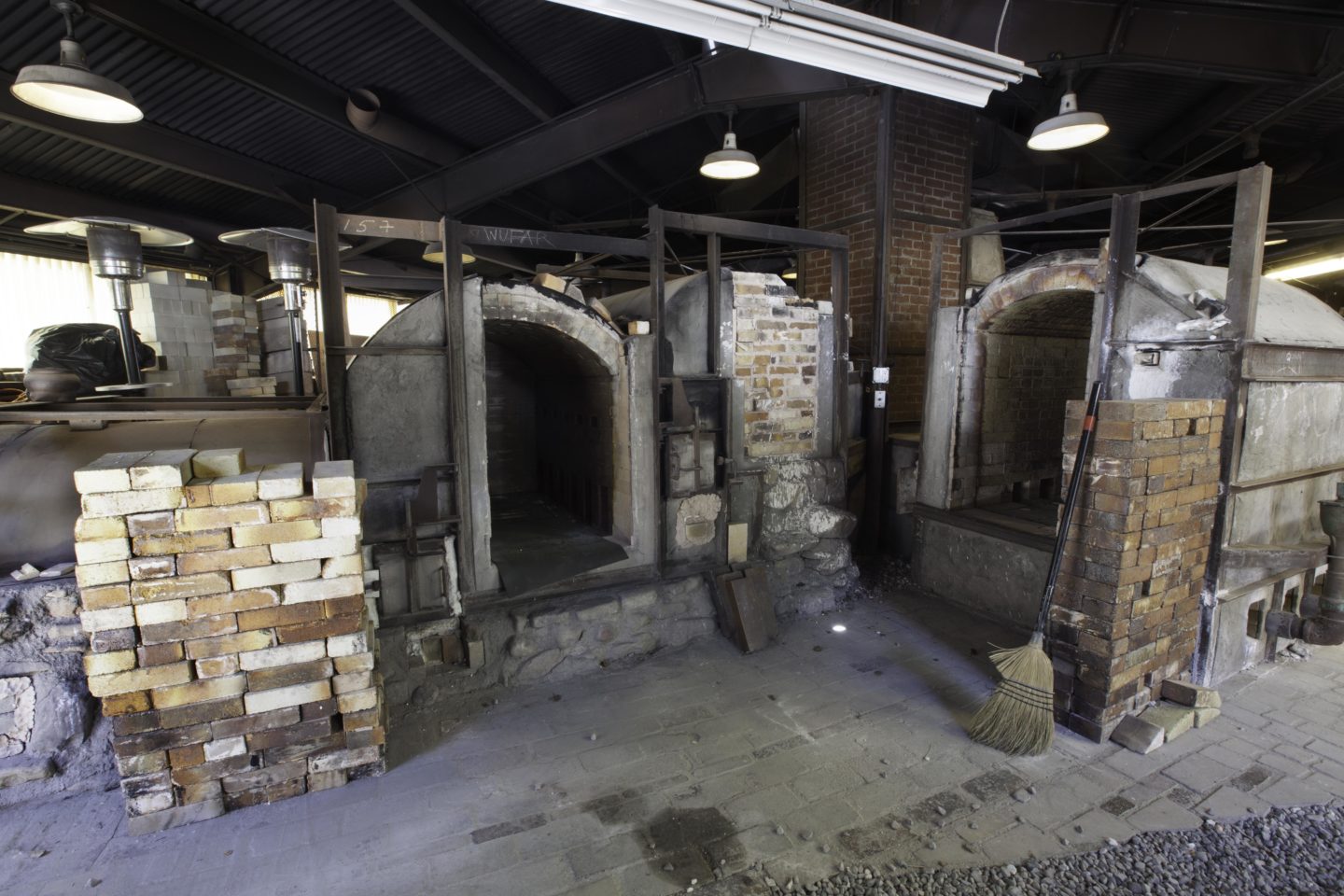
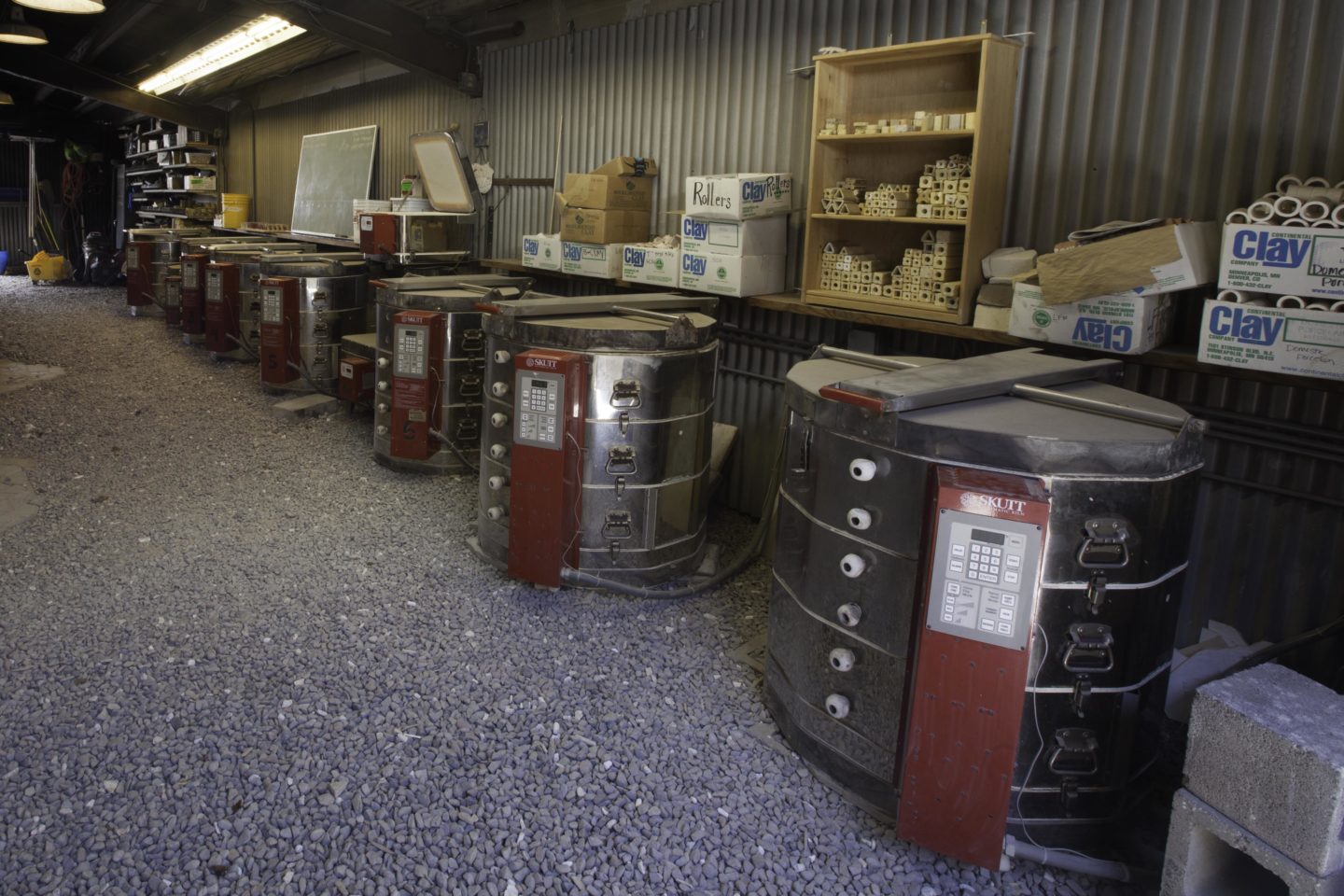
Ceramics Studio at Anderson Ranch, Aspen / Snowmass
The ceramics studio at Anderson Ranch Arts Center, located in Snowmass Village near Aspen, Colorado, is a fully equipped professional ceramics studio designed to support immersive workshops and advanced studio practice. The facility offers dedicated workspaces, high-quality kilns, glazing areas, and technical infrastructure for artists working in clay across a range of processes and firing methods.
Interested in enrolling? Explore the full schedule of Ceramics Workshops at Anderson Ranch.
In 1966, American ceramicist Paul Soldner selected the site for what is now Anderson Ranch Arts Center, forming the foundation for a thriving ceramics program. Then and now, Anderson Ranch is a place where students exchange ideas and examine ceramic art and pottery techniques. It has always been a place where seminal moments of growth happen in an artist’s creative and critical thinking. Here, both beginning and emerging artists gain strong fundamental support, while established artists achieve new perspectives and advance their techniques.
The Ranch Ceramics team provides support, feedback and technical problem-solving, giving each artist the freedom to experiment and grow. Our primary focus is on personal advancement through a process of creative discovery.
The Soldner Ceramics Center makes up more than 10,000 square feet in three buildings with 3 studio spaces and 1 kiln yard; Soldner Studio, Long Studio, Sorenson Studio and Lyeth/Lyon Kiln Building. Soldner and Long studios are used for wheel-throwing, hand-building, or general ceramics creativity. Sorenson studio is equipped with five PotterBot 3d clay printers. The Lyeth/Lyon kiln building is equipped with gas, electric, soda and wood kilns for both oxidation and reduction firing at all temperature ranges. The Ranch offers three wood kilns including a gas/wood hybrid kiln, three gas reduction kilns, one soda kiln and eleven high-temperature electric kilns.
Don’t know where to start? View the skill levels for ceramics workshops.
Anderson Ranch Arts Center is a historic, rustic campus that features gravel pathways and uneven terrain that may pose challenges for individuals using wheelchairs or other mobility devices. We strive to provide accommodations to ensure all guests can access and enjoy our programs and facilities. With advance notice, our staff can offer personalized assistance and coordinate access to studios and campus spaces. For questions or to request an accommodation, please contact us at (970) 923-3181 or [email protected].
Anderson Ranch is happy to extend a 20% tuition discount for summer one- or two-week adult ceramics workshops for NCECA members at the student membership level or above. Please email [email protected] with your NCECA membership information prior to registering and we will send you a promo code to complete registration with your discount applied. You are also welcome to call 970-924-5089 to register after verifying your membership with us. **Please note, this discount must be approved prior to registering and cannot be applied retroactively. NCECA discount does not apply to Advanced Mentored Studies programs or Destination Workshops, nor can it be combined with any other discount, scholarship or special offer.
Scholarships, College Credit & Discounts
Making Art Accessible
Applications for scholarship support are encouraged. Specific scholarships are funded by Ranch supporters, either through endowed funds or special gifts.
Many colleges and universities offer college credit for workshops taken at Anderson Ranch. Discounts are available for students and teachers.
You Might Also Be Interested In

-
II
Level II
Students have a basic understanding of forming techniques, such as throwing and hand building. Students have taken one or two ceramics classes or workshops.
-
III
Level III
Students have significant experience with clay forming techniques, such as throwing, hand building and modeling. Students are comfortable with ceramics equipment, such as wheels, extruders and slab rollers. Students are self-starting with some formal training and have taken a minimum of three classes or workshops.
-
IV
Level IV
Students have advanced skills and knowledge of the ceramics field. Students are highly motivated, have a minimum of five years experience in the field and have a portfolio of their artwork. Typical students are academics and professional artists.
-
P
Portfolio Review Required
Students have advanced skills and knowledge of the ceramics field. Students are highly motivated, have a minimum of five years experience in the field and have a portfolio of their artwork. Typical students are academics and professional artists.
-
S
Studio Session
Jan 4 - 29, 20279 AM - 5 PM
January Studio Sessions: Ceramics
Joanne Seongweon Lee
Tuition $5,200
Code ZSC0101-27
Anderson Ranch’s January Studio Sessions provide artists the opportunity to work on independent projects while receiving mentoring and critique sessions with Anderson Ranch artistic staff and interns. Each participant receives an assigned studio space, orientation, and access to equipment, as well as some morning group demonstrations and / or critiques. This program affords artists the experience enjoyed by national and international artists who access our state-of-the-art studios. Participants may expand their practices, take artistic risks, try new media or complete works for exhibition. *Studios are open 24 hours a day and on weekends for students enrolled in multiple weeks, with limited use of equipment due to safety requirements. There are no staff hours or kiln-firing on weekends. IMPORTANT DETAILS: Students will be responsible for all material costs associated with their projects. Private dorm rooms are available at Anderson Ranch for an additional fee; click here to view January 2027 lodging options. Breakfasts and dinners are included in the dorm fee. Lunches are included in the studio fees. TO APPLY: Applicants must submit project proposals or portfolios for approval. Contact Betsy Alwin to apply: [email protected]