


Photography & New Media
Code: P0816-24
-
II
Level II
Students have a basic understanding of forming techniques, such as throwing and hand building. Students have taken one or two ceramics classes or workshops.
-
III
Level III
Students have significant experience with clay forming techniques, such as throwing, hand building and modeling. Students are comfortable with ceramics equipment, such as wheels, extruders and slab rollers. Students are self-starting with some formal training and have taken a minimum of three classes or workshops.
-
IV
Level IV
Students have advanced skills and knowledge of the ceramics field. Students are highly motivated, have a minimum of five years experience in the field and have a portfolio of their artwork. Typical students are academics and professional artists.
The Art of Visual Storytelling
Jul 22 - 26, 2024Past
9AM - 5PM
Upcoming Workshops in Photography & New Media
-
 What Remains: Photography, Painting, and the Archive
Jan 4 - 15, 2027
What Remains: Photography, Painting, and the Archive
Jan 4 - 15, 2027
-
 January Studio Sessions: Photography & New Media
Jan 18 - 22, 2027
January Studio Sessions: Photography & New Media
Jan 18 - 22, 2027
-
 January Studio Sessions: Photography & New Media
Jan 25 - 29, 2027
January Studio Sessions: Photography & New Media
Jan 25 - 29, 2027
-
 Advanced Mentored Studies: Visual Storytelling and Documentary Photography Projects
Aug 16 - 20, 2027
Advanced Mentored Studies: Visual Storytelling and Documentary Photography Projects
Aug 16 - 20, 2027
Concept
In-depth storytelling is more important now than ever. This workshop offers intermediate and advanced photographers a structured and supportive learning environment for acquiring the knowledge, techniques, and artistic background needed for creating impactful visual narrative projects. Socially and culturally conscious storytellers document the human experience, aiming to inform or challenge our perceptions by creatively sharing their perspectives. Through lectures, assignments, critique sessions, and class discussions, students examine ethical, social, and visual aspects of the genre, learn methodologies practiced by leaders and artists in the field, and develop their own personal long-term documentary projects.
View All Photography & New Media Workshops
Media & Techniques
Digital photography and workflow with Adobe Lightroom and Adobe Photoshop, digital printing, group discussions and feedback
Supply ListFaculty

Gillian Laub
Gillian Laub is an artist who uses the camera to investigate political conflicts, complex family and community relationships, and challenging assumptions about cultural identity. Her monographs include Testimony and Family Matters. Southern Rites is a two-decade long multimedia project that includes a monograph, an HBO feature film, and a traveling exhibition.

Upcoming Workshops in Photography & New Media
-
What Remains: Photography, Painting, and the Archive
Jan 4 - 15, 2027
-
January Studio Sessions: Photography & New Media
Jan 18 - 22, 2027
-
January Studio Sessions: Photography & New Media
Jan 25 - 29, 2027
-
Advanced Mentored Studies: Visual Storytelling and Documentary Photography Projects
Aug 16 - 20, 2027
Workshop Details
Workshop Supplies
For general information about studio access, shipping, and more, please visit our info page.
If you have any questions regarding your supplies for your workshop, please contact Jack Fox, .
Lodging & Meals
Housing is limited and includes shared and private lodging options. Reservations will be managed on a first-come, first-served basis. The earlier you reserve housing, the better your chance of receiving your preferred option. Please note: Workshop costs do not include accommodations.
NEW: Course fees includes a welcome dinner and lunches. In our effort to foster a stronger sense of community and accessibility at Anderson Ranch, we include the welcome dinner and all lunches as part of course fees for summer workshop students. Our hope is that this adjustment will encourage all students to come together to share meals and engage in meaningful conversations. The Ranch Café Meal Plan, which is included with Room and Board fees, strives to provide healthy, creative meals that will nourish your artistic creativity. Learn more.
We have established a Business Safety Plan with added layers of precaution that prioritize the health and safety of our staff, students, faculty and guests while continuing to provide you with the Anderson Ranch experience that you know and enjoy.
Photography & New Media


Photography & New Media Studio in Aspen / Snowmass
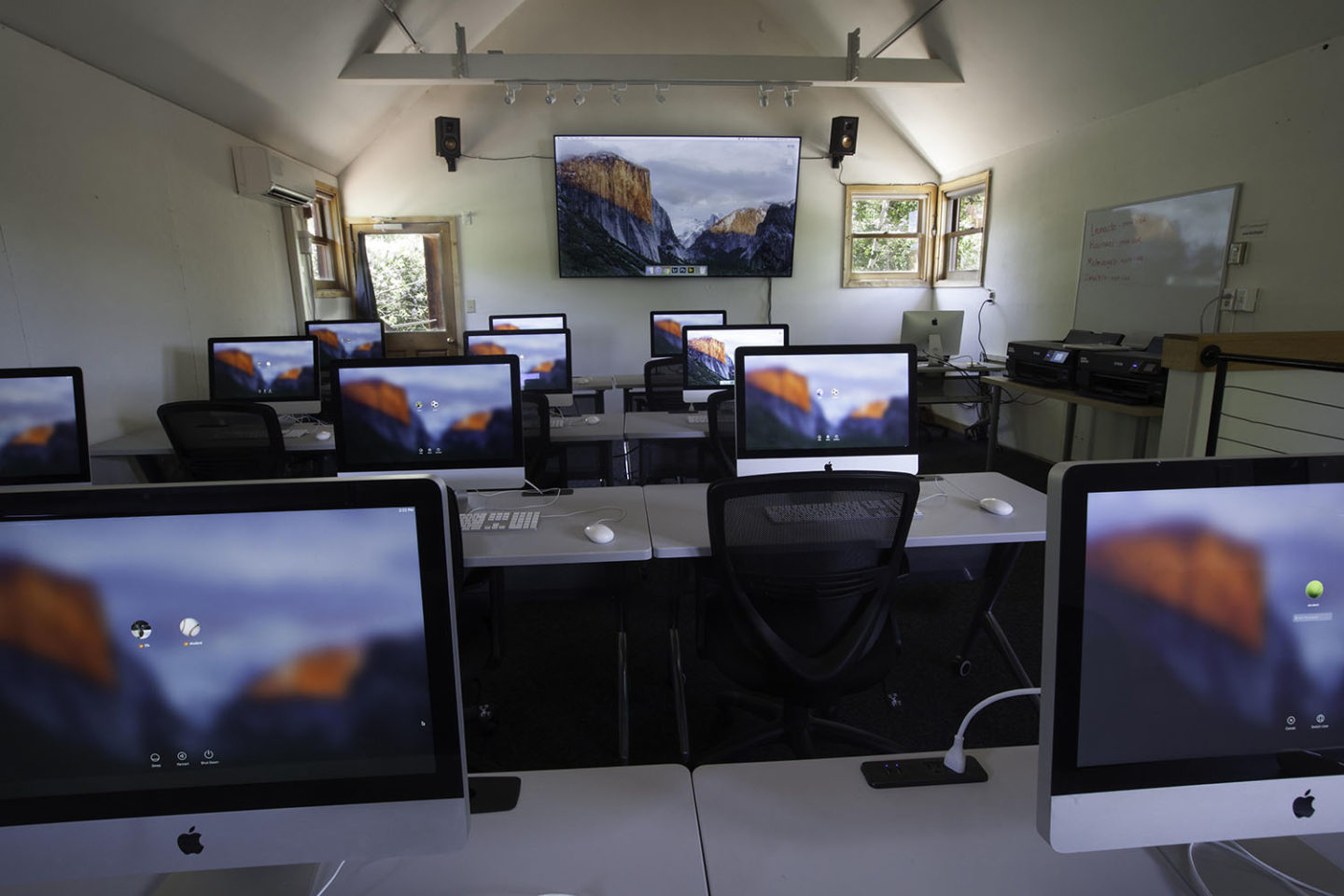
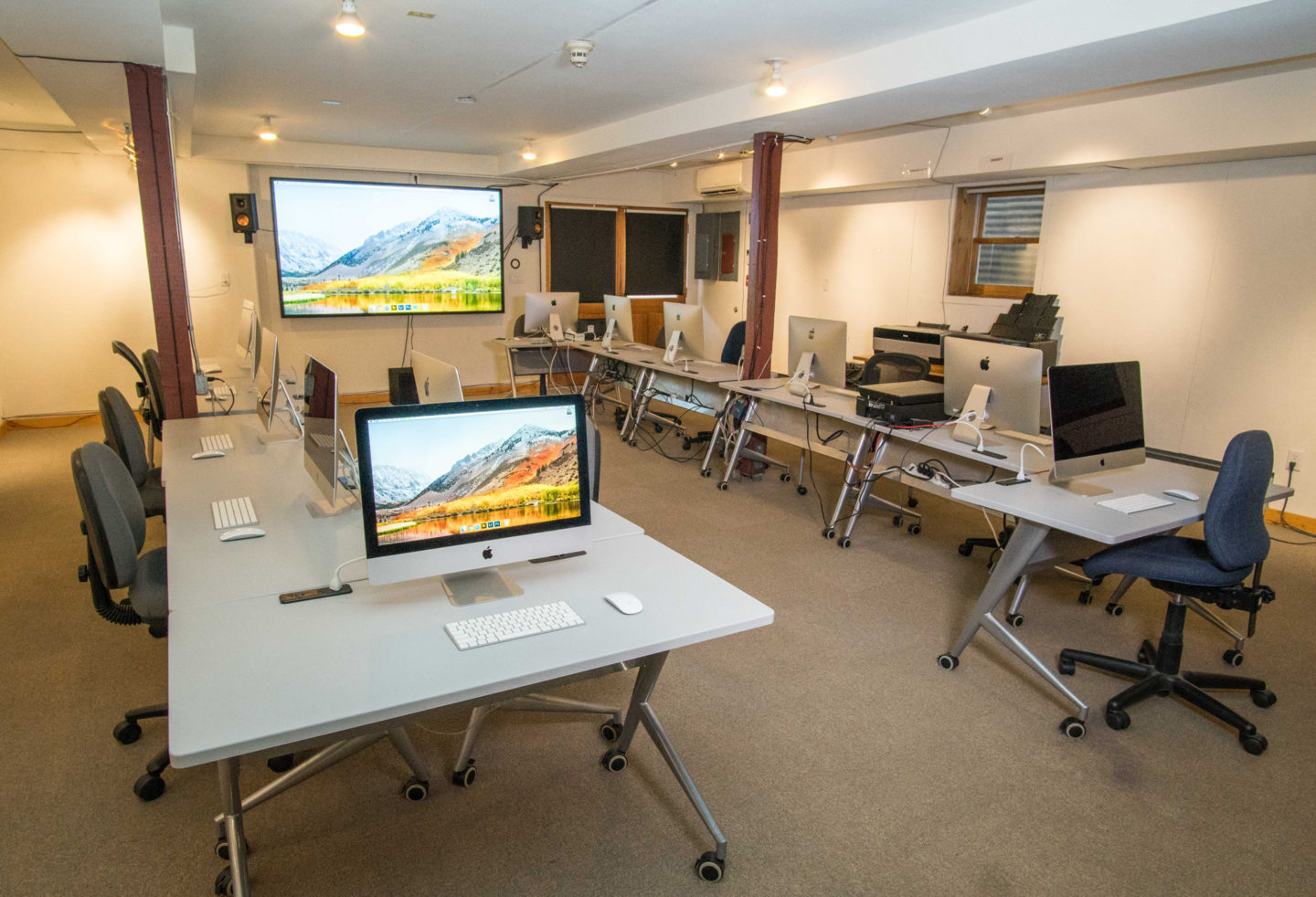
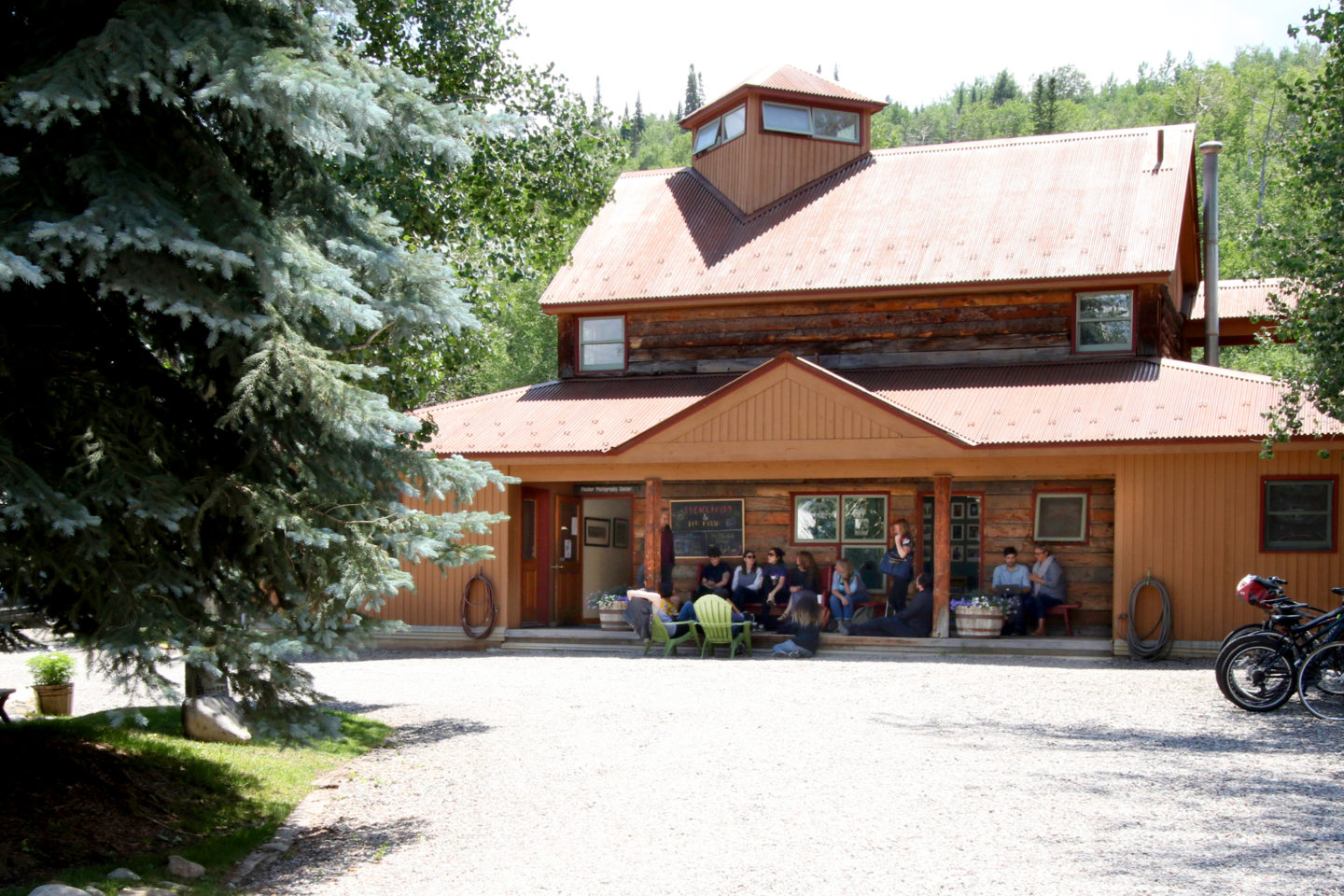
The Photography & New Media Studio at Anderson Ranch Arts Center, located in Snowmass Village near Aspen, Colorado, is a professional studio environment designed to support immersive photographic and digital media practice. The facility provides dedicated workspaces, critique areas, and technical infrastructure for artists working in traditional photography, digital imaging, video, and experimental new media.
Interested in enrolling? Explore the full schedule of Photography & New Media workshops at Anderson Ranch.
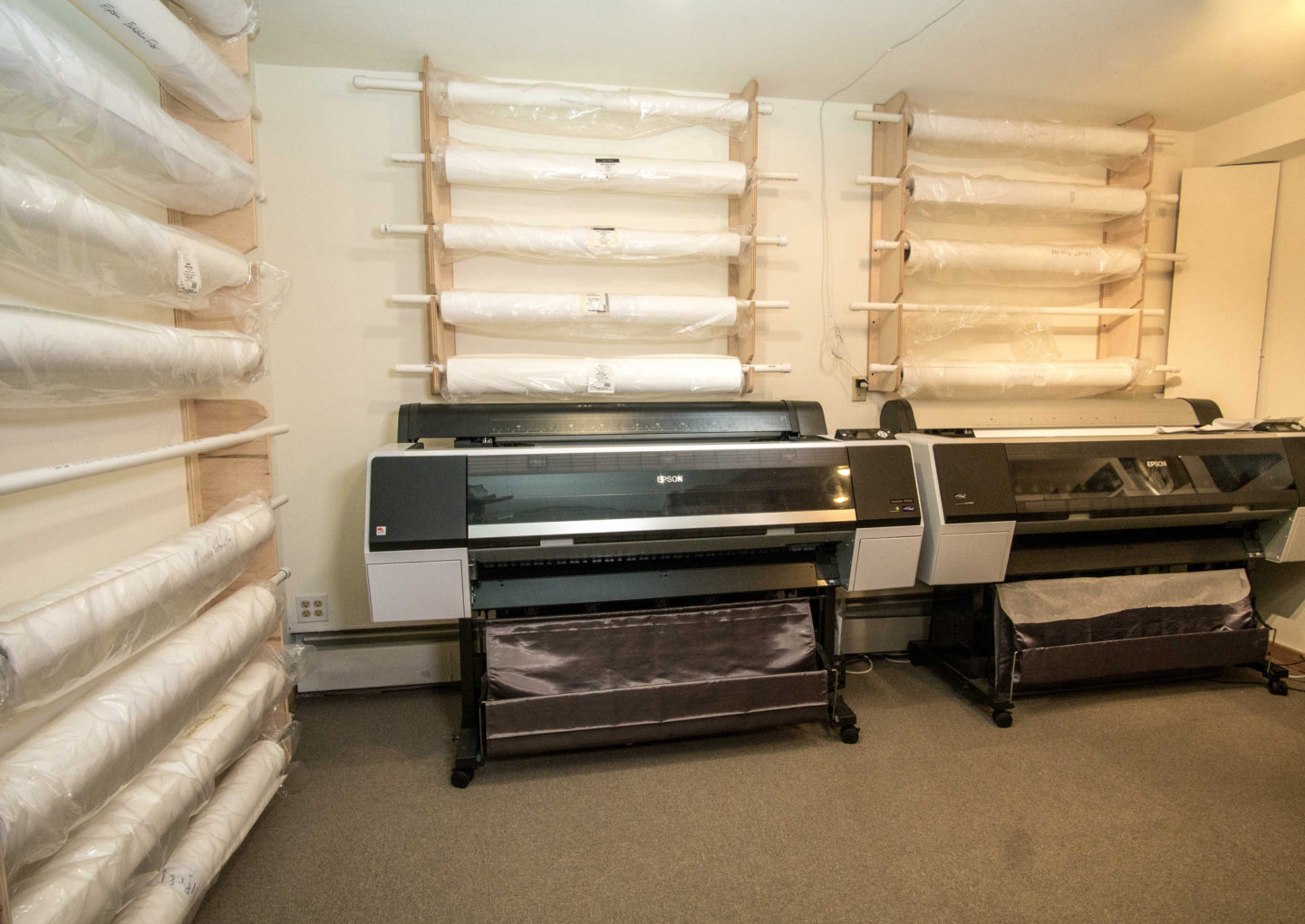
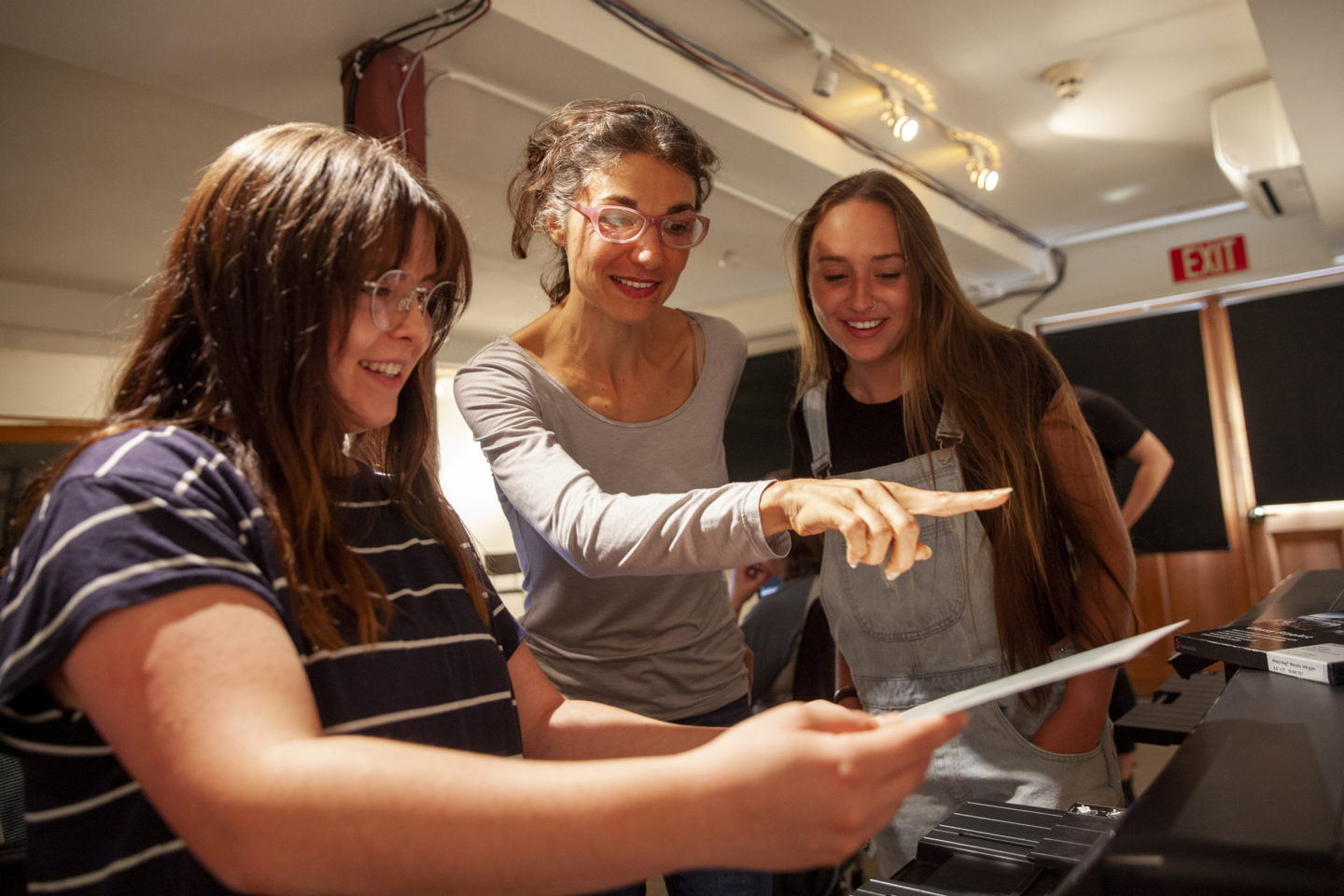
Photography has always been a vital part of Anderson Ranch, one in which students explore visual storytelling through a variety of contexts and concepts. The program has uniquely evolved to focus on both traditional photography and new media— making it one of the only workshop settings of its kind. Three floors of the Fischer Photography Center house state-of-the-art equipment, including three photography studios, two Mac labs, a traditional darkroom, and a lighting studio with strobe and continuous lighting for photography and video.
All photography workshops are rooted in the same idea—powerful art requires rigorous inquiry of techniques and ideas. We focus on technical skills, content and critical dialog. Students have access to color-managed media labs equipped with 24-inch iMacs, flatbed and film scanners, Epson printers, and cutting-edge software including Adobe Creative Cloud. When appropriate, students utilize strobe and tungsten lighting equipment, seamless backdrops, green screen, audio and video recording equipment and Epson large-format printers.
The Ranch Photography and New Media team creates an inspiring environment, allowing artists of all levels to explore lens-based media and the journey of artistic discovery in the unparalleled setting of the Colorado Rockies.
Don’t know where to start? View the skill levels for Photography and New Media workshops.
Anderson Ranch Arts Center is a historic, rustic campus that features gravel pathways and uneven terrain that may pose challenges for individuals using wheelchairs or other mobility devices. We strive to provide accommodations to ensure all guests can access and enjoy our programs and facilities. With advance notice, our staff can offer personalized assistance and coordinate access to studios and campus spaces. For questions or to request an accommodation, please contact us at (970) 923-3181 or [email protected].


Anderson Ranch is happy to extend a 20% tuition discount for summer one- or two-week adult photography and new media workshops for SPE, the Center for Fine Art Photography, and Colorado Photographic Arts Center members at the student membership level or above. Please email [email protected] with your SPE or CFAP membership information prior to registering and we will send you a promo code to complete registration with your discount applied. You are also welcome to call 970-924-5089 to register after verifying your membership with us. **Please note, this discount must be approved prior to registering and cannot be applied retroactively. SPE and Center for Fine Art Photography discount does not apply to Advanced Mentored Studies programs or Destination Workshops, nor can it be combined with any other discount, scholarship or special offer.
Scholarships, College Credit & Discounts
Making Art Accessible
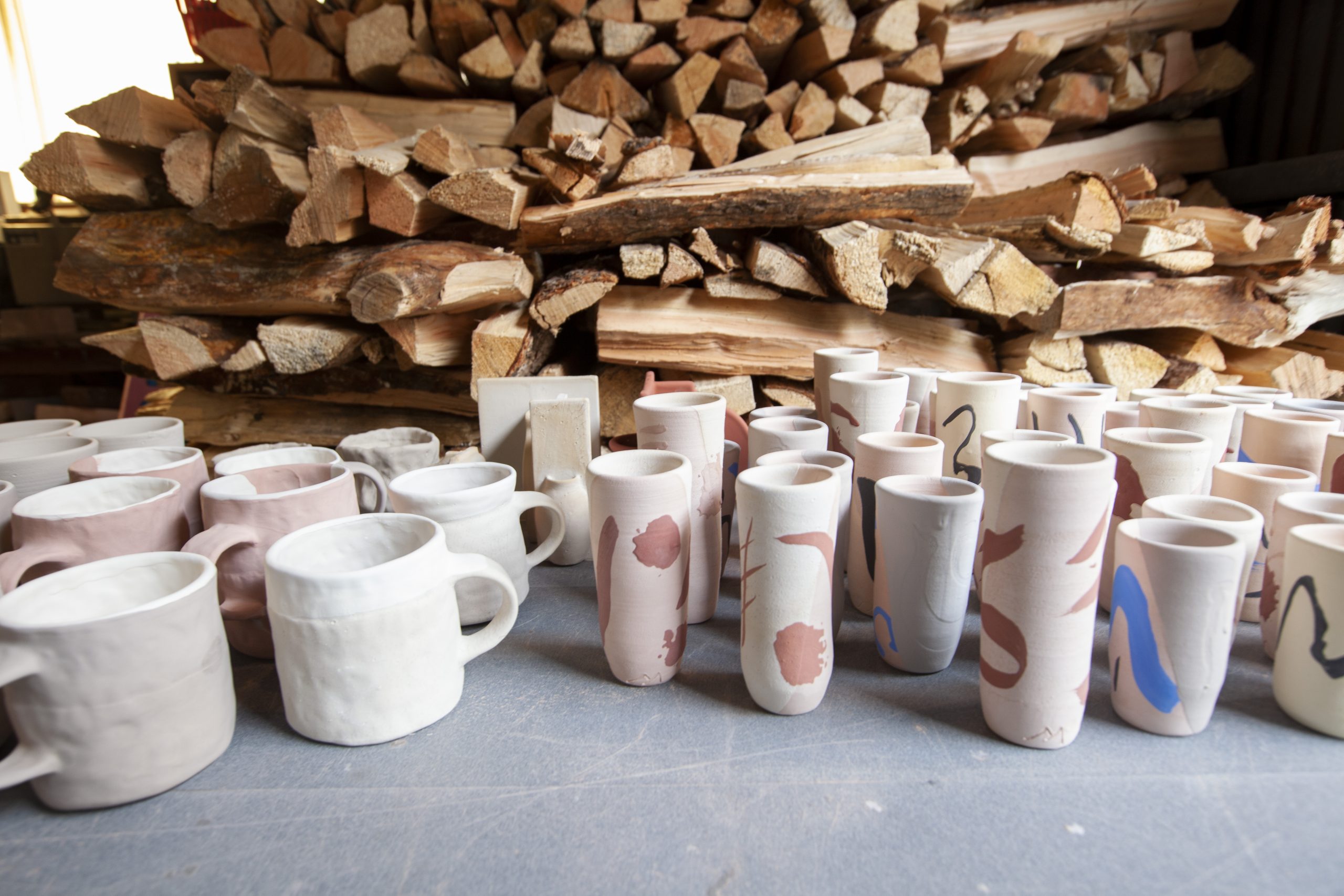
Applications for scholarship support are encouraged. Specific scholarships are funded by Ranch supporters, either through endowed funds or special gifts.
Many colleges and universities offer college credit for workshops taken at Anderson Ranch. Discounts are available for students and teachers.
You Might Also Be Interested In
-
O
Open to All
Students of any skill and knowledge level.
Jan 4 - 15, 20279 AM - 5 PM
What Remains: Photography, Painting, and the Archive
Kate Leonard
Tuition $2,150
Code JANSTU2027P
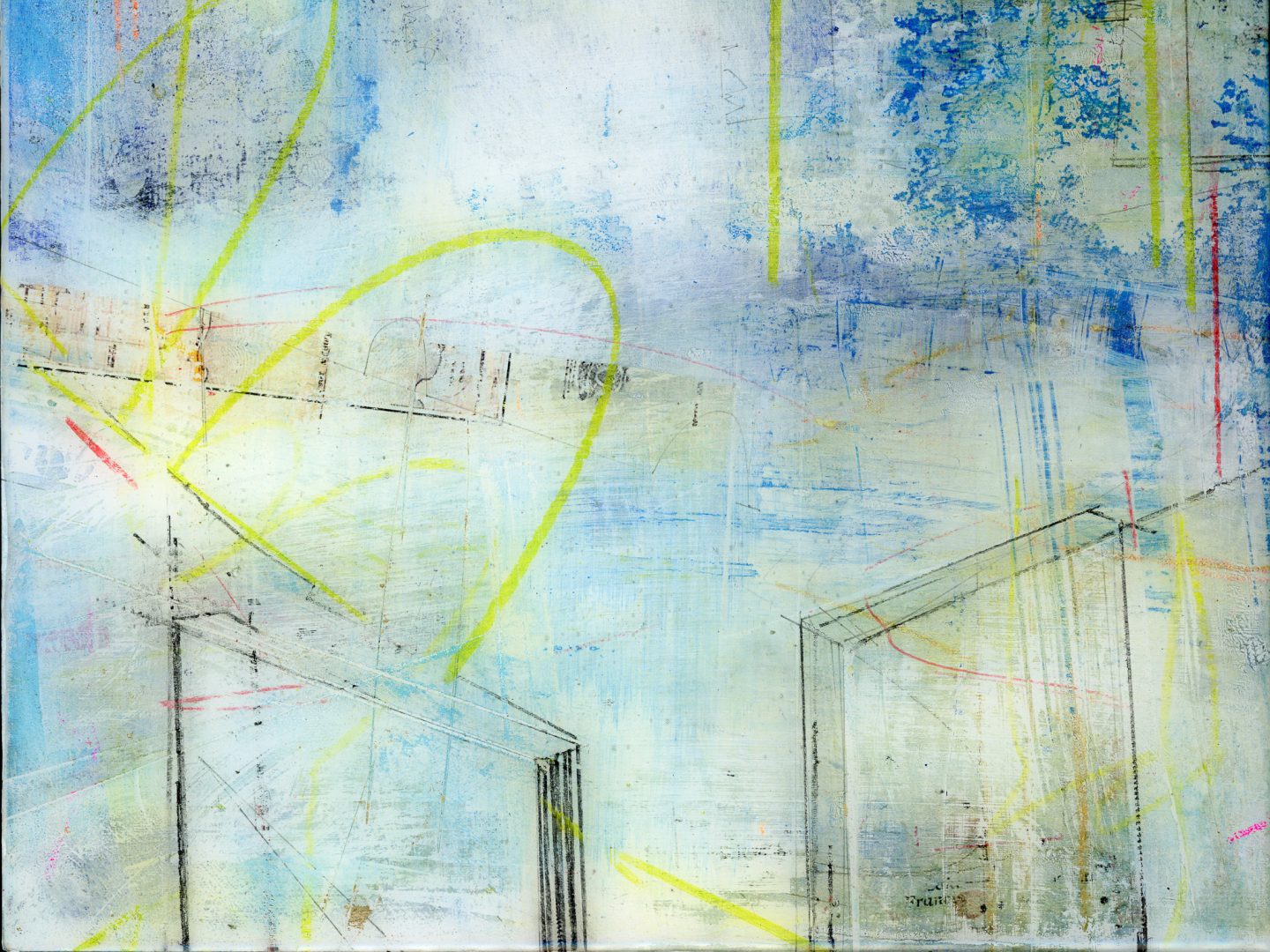
Join an engaging exploration of the synthesis between two distinct art forms: photography and painting. Students discover transfer techniques that integrate photographic images and text directly onto painted surfaces, resulting in intriguingly layered works. Participants explore traditional collage and photomontage, and master new methods that allow for opaque and translucent layers. Reductive methods, such as sanding and scraping, reveal the history of earlier photographic layers and suggest an archaeological approach to image development. The workshop emphasizes experimentation and exploratory approaches. Students produce a portfolio of physical examples of all techniques.
-
II
Level II
Photography students have a basic understanding of photography principles and technology and are comfortable using an SLR camera in manual mode. New Media students have a basic understanding of video, multimedia or animation software. Students have basic computer skills and are comfortable using a Macintosh computer.
-
III
Level III
Photography students have some formal training and significant experience making, capturing and digitally processing images using Adobe Lightroom and/or Adobe Photoshop. New Media students have some formal training in conceptual and technological aspects of video, multimedia, coding or animation and are versed in the appropriate software applications. Students have a portfolio of their artwork.
-
IV
Level IV
Photography students have advanced skills and knowledge of photography and digital image processing. New Media students have advanced skills and knowledge of video, multimedia, coding or animation. Students are self-motivated and have multiple portfolios of their artwork.
-
P
Portfolio Review Required
Students have advanced skill and knowledge of photography. Students are highly motivated, have a minimum of five years experience in the field and have a portfolio of their artwork. Typical students are academics and professional artists.
-
S
Studio Session
Jan 18 - 22, 20279 AM - 5 PM
January Studio Sessions: Photography & New Media
Jack Fox
Tuition $1,000
Code ZSP0101c-27
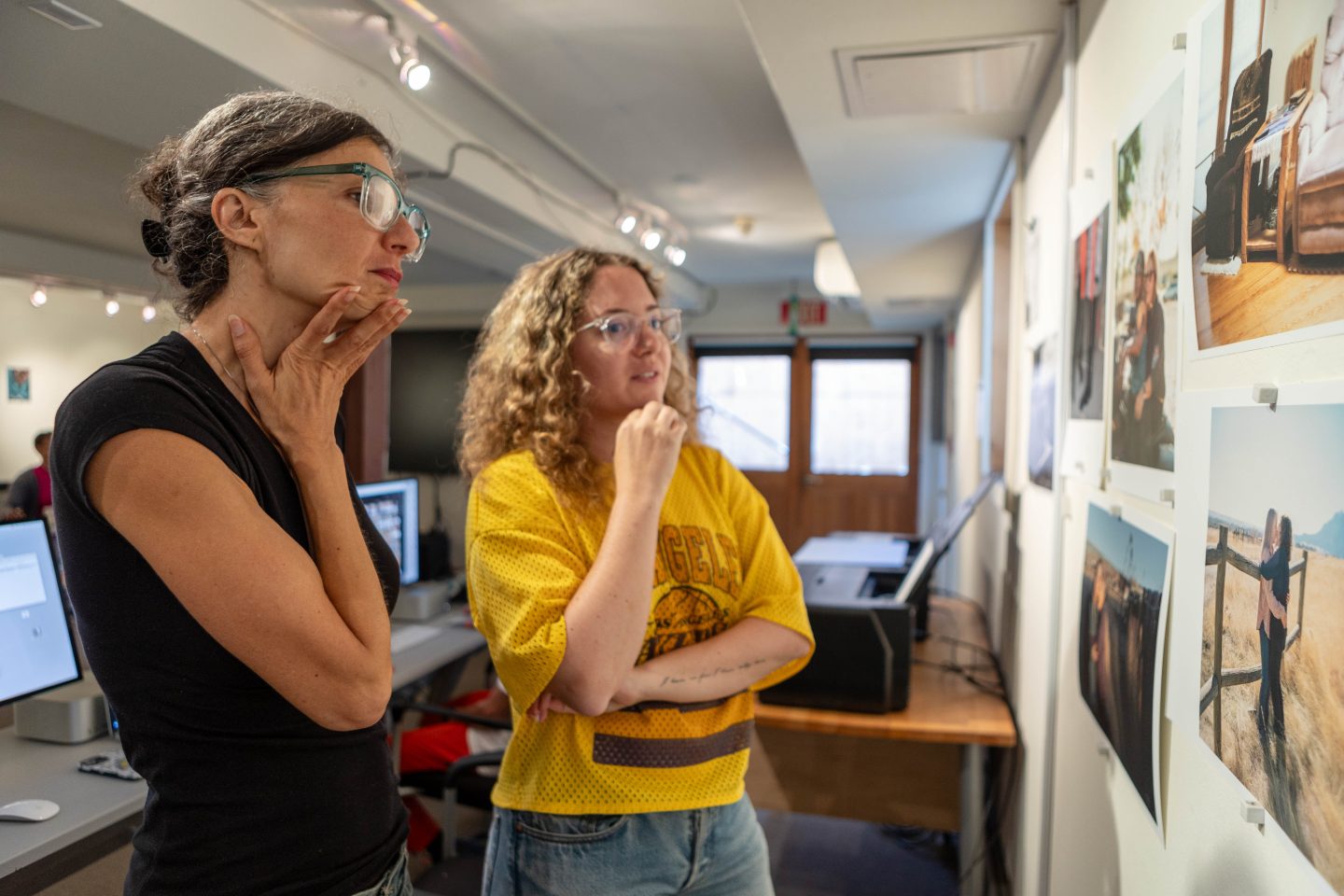
Anderson Ranch’s January Studio Sessions provide artists the opportunity to work on independent projects while receiving mentoring and critique sessions with Anderson Ranch artistic staff. Each participant receives an assigned studio space, orientation, and access to equipment, as well as some morning group demonstrations and / or critiques. This program affords artists the experience enjoyed by national and international artists who access our state-of-the-art studios. Participants may expand their practices, take artistic risks, try new media or complete works for exhibition. *Studios are open 24 hours a day and on weekends for students enrolled in multiple weeks, with limited use of equipment due to safety requirements. IMPORTANT DETAILS: Students will be responsible for all material costs associated with their projects. Private dorm rooms are available at Anderson Ranch for an additional fee; click here to view January 2027 lodging options. Breakfasts and dinners are included in the dorm fee. Lunches are included in the studio fees. TO APPLY: Applicants must submit project proposals or portfolios for approval. Contact Jack Fox with questions and to apply: [email protected]
-
P
Portfolio Review Required
Students have advanced skill and knowledge of photography. Students are highly motivated, have a minimum of five years experience in the field and have a portfolio of their artwork. Typical students are academics and professional artists.
-
S
Studio Session
Jan 25 - 29, 20279 AM - 5 PM
January Studio Sessions: Photography & New Media
Jack Fox
Tuition $1,000
Code ZSP0101d-27
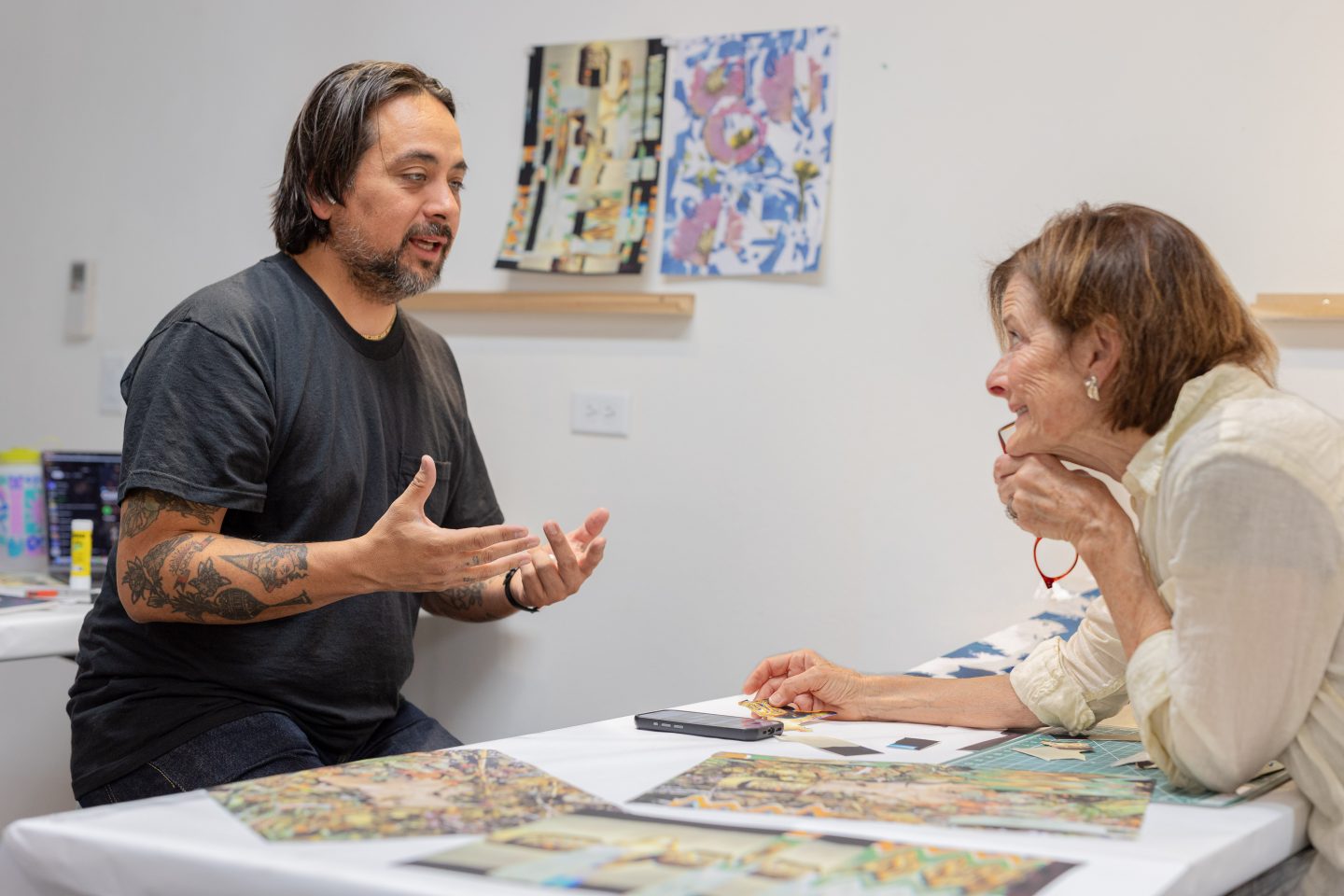
Anderson Ranch’s January Studio Sessions provide artists the opportunity to work on independent projects while receiving mentoring and critique sessions with Anderson Ranch artistic staff. Each participant receives an assigned studio space, orientation, and access to equipment, as well as some morning group demonstrations and / or critiques. This program affords artists the experience enjoyed by national and international artists who access our state-of-the-art studios. Participants may expand their practices, take artistic risks, try new media or complete works for exhibition. *Studios are open 24 hours a day and on weekends for students enrolled in multiple weeks, with limited use of equipment due to safety requirements. IMPORTANT DETAILS: Students will be responsible for all material costs associated with their projects. Private dorm rooms are available at Anderson Ranch for an additional fee; click here to view January 2027 lodging options. Breakfasts and dinners are included in the dorm fee. Lunches are included in the studio fees. TO APPLY: Applicants must submit project proposals or portfolios for approval. Contact Jack Fox with questions and to apply: [email protected]