


Photography & New Media
Code: P05W04-21
-
III
Level III
Photography students have some formal training and significant experience making, capturing and digitally processing images using Adobe Lightroom and/or Adobe Photoshop. New Media students have some formal training in conceptual and technological aspects of video, multimedia, coding or animation and are versed in the appropriate software applications. Students have a portfolio of their artwork.
-
IV
Level IV
Photography students have advanced skills and knowledge of photography and digital image processing. New Media students have advanced skills and knowledge of video, multimedia, coding or animation. Students are self-motivated and have multiple portfolios of their artwork.
-
Virtual Workshop
Virtual Workshop, learn from the comfort of your own home.
VIRTUAL WORKSHOP
Use Adobe Photoshop and Lightroom Classic Together
Feb 6 - 7, 2021Past
Saturday-Sunday, 9-11:30AM & 1-4PM MST
Upcoming Workshops in Photography & New Media
-
 What Remains: Photography, Painting, and the Archive
Jan 4 - 15, 2027
What Remains: Photography, Painting, and the Archive
Jan 4 - 15, 2027
-
 January Studio Sessions: Photography & New Media
Jan 18 - 22, 2027
January Studio Sessions: Photography & New Media
Jan 18 - 22, 2027
-
 January Studio Sessions: Photography & New Media
Jan 25 - 29, 2027
January Studio Sessions: Photography & New Media
Jan 25 - 29, 2027
-
 Advanced Mentored Studies: Visual Storytelling and Documentary Photography Projects
Aug 16 - 20, 2027
Advanced Mentored Studies: Visual Storytelling and Documentary Photography Projects
Aug 16 - 20, 2027
Concept
Adobe Photoshop and Lightroom Classic are a powerful team you can use together to enhance your photos and create anything you can imagine. In this two-day weekend workshop you’ll learn how and when to take photos back and forth between Lightroom Classic and Photoshop so you can make your photos look their best, use them creatively, and keep them organized. We’ll focus on practical scenarios in which it makes most sense to use Photoshop and Lightroom together, including compositing, retouching, replacing backgrounds, and adding creative effects. Along the way, you’ll practice popular techniques and level up your skills in both programs.
This class is for you if you already have some experience with both Photoshop and Lightroom Classic. You don’t have to be an expert, but knowing your way around layers and selections in Photoshop, as well as importing and basic editing in Lightroom Classic will help you get the most out of this workshop.
This workshop meets via Zoom Video Conferencing software (download free from Zoom.com). An Anderson Ranch staff member co-teaches the class and coordinates the online platform. Further details will be emailed to registrants.
View All Photography & New Media Workshops
Media & Techniques
Mac or Windows computer. Install the latest versions of Adobe Lightroom Classic and Adobe Photoshop (trial versions are fine).
Faculty
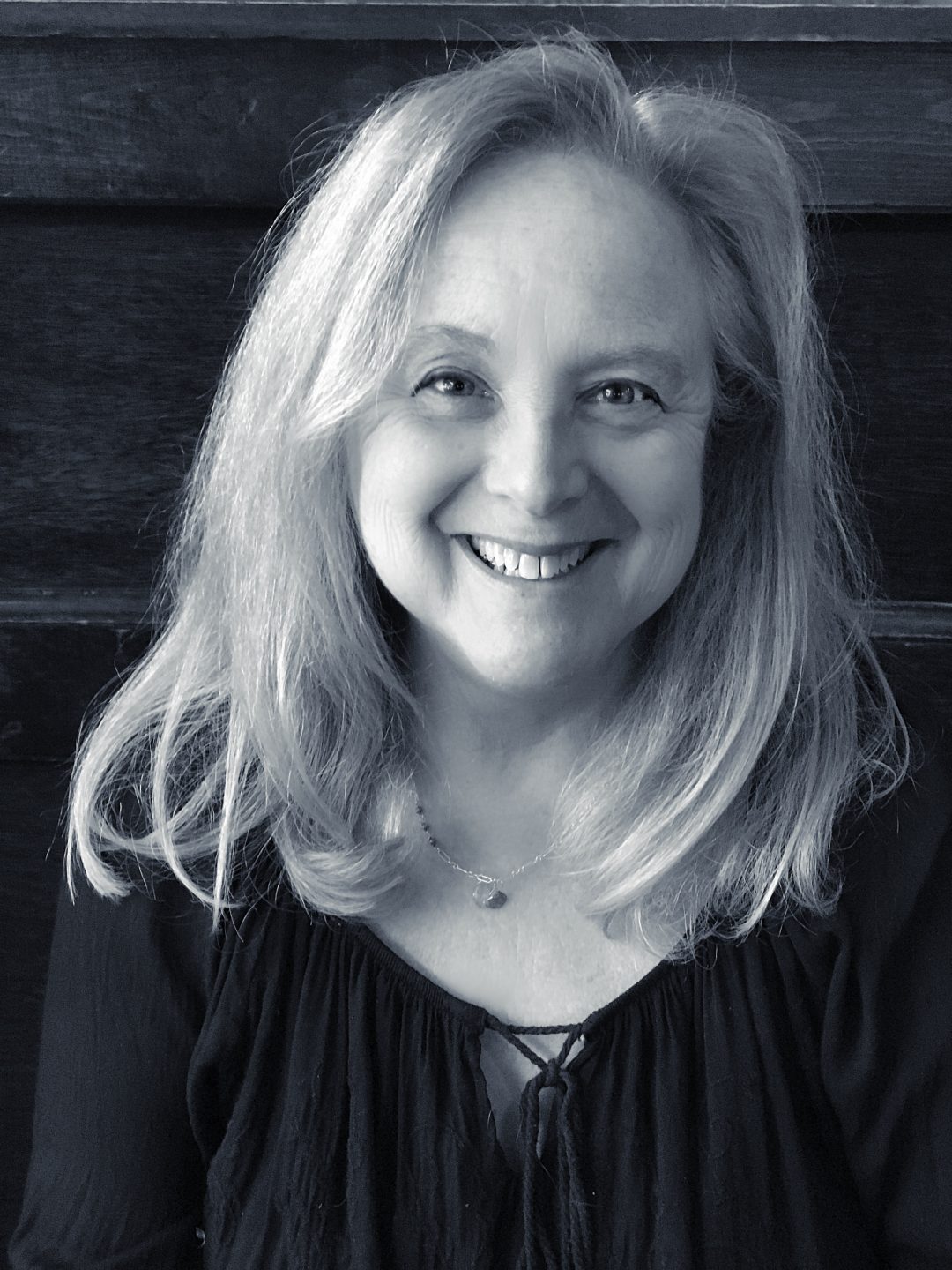
Jan Kabili
Jan Kabili is an educator, photographer, and author focusing on Photoshop, Lightroom, and generative AI. She has authored over 50 online courses and books, and is a frequent Anderson Ranch instructor. She has worked at Adobe for years, and has an MFA in photography and a Stanford law degree.

Upcoming Workshops in Photography & New Media
-
What Remains: Photography, Painting, and the Archive
Jan 4 - 15, 2027
-
January Studio Sessions: Photography & New Media
Jan 18 - 22, 2027
-
January Studio Sessions: Photography & New Media
Jan 25 - 29, 2027
-
Advanced Mentored Studies: Visual Storytelling and Documentary Photography Projects
Aug 16 - 20, 2027
Workshop Details
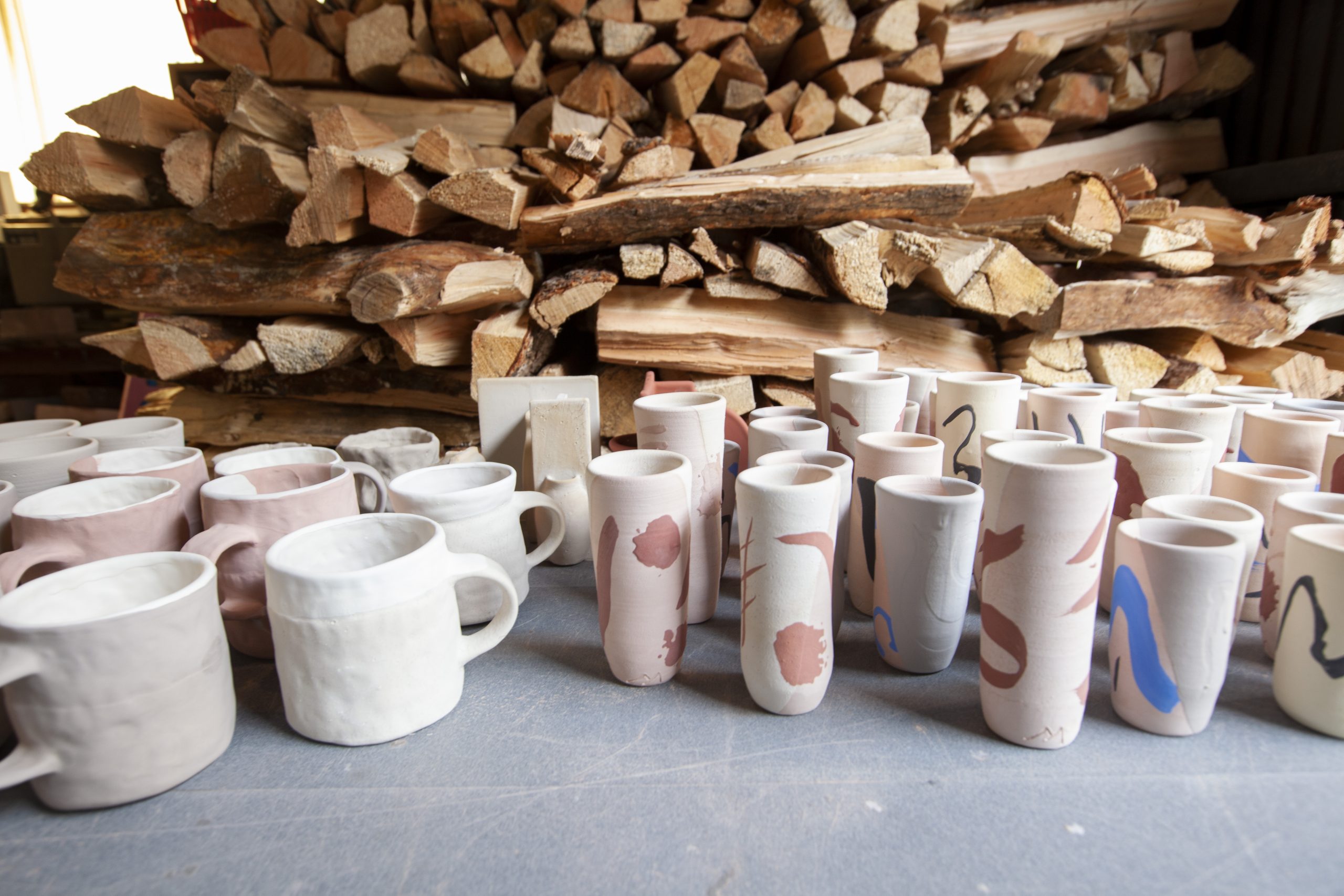
Scholarships, College Credit & Discounts
Making Art Accessible
Applications for scholarship support are encouraged. Specific scholarships are funded by Ranch supporters, either through endowed funds or special gifts.
Many colleges and universities offer college credit for workshops taken at Anderson Ranch. Discounts are available for students and teachers.
You Might Also Be Interested In
-
O
Open to All
Students of any skill and knowledge level.
Jan 4 - 15, 20279 AM - 5 PM
What Remains: Photography, Painting, and the Archive
Kate Leonard
Tuition $2,150
Code JANSTU2027P
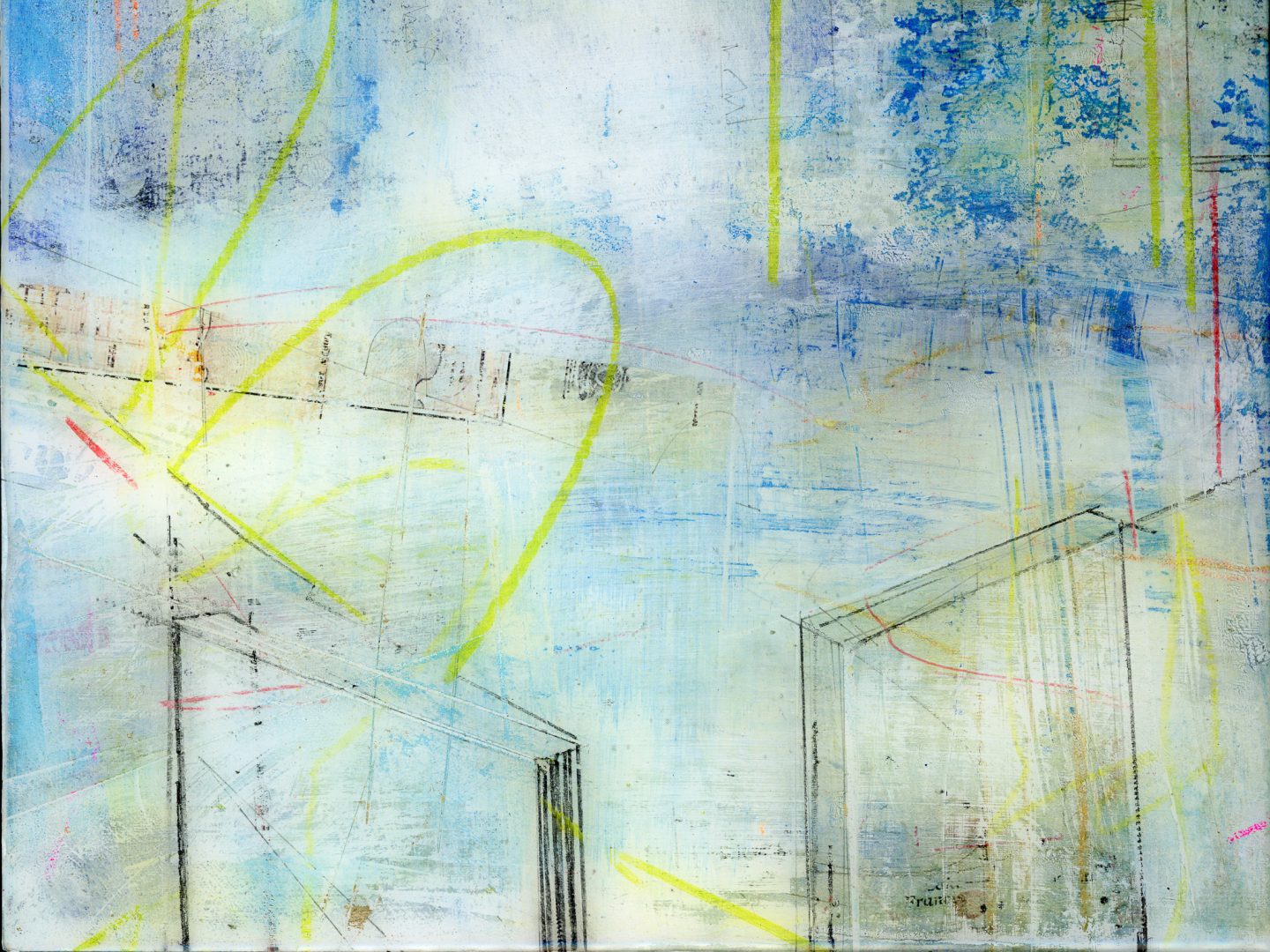
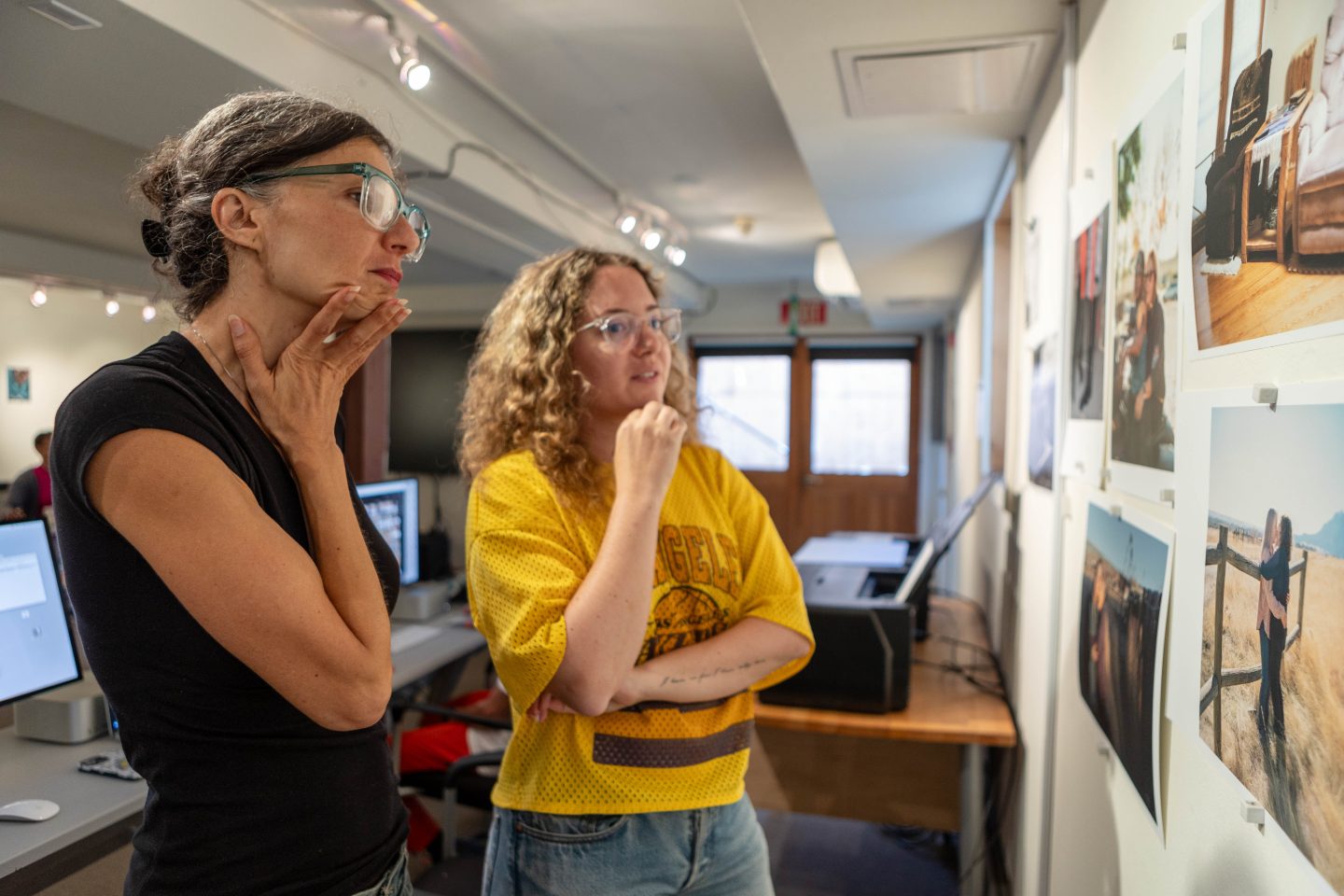
Join an engaging exploration of the synthesis between two distinct art forms: photography and painting. Students discover transfer techniques that integrate photographic images and text directly onto painted surfaces, resulting in intriguingly layered works. Participants explore traditional collage and photomontage, and master new methods that allow for opaque and translucent layers. Reductive methods, such as sanding and scraping, reveal the history of earlier photographic layers and suggest an archaeological approach to image development. The workshop emphasizes experimentation and exploratory approaches. Students produce a portfolio of physical examples of all techniques.
-
II
Level II
Photography students have a basic understanding of photography principles and technology and are comfortable using an SLR camera in manual mode. New Media students have a basic understanding of video, multimedia or animation software. Students have basic computer skills and are comfortable using a Macintosh computer.
-
III
Level III
Photography students have some formal training and significant experience making, capturing and digitally processing images using Adobe Lightroom and/or Adobe Photoshop. New Media students have some formal training in conceptual and technological aspects of video, multimedia, coding or animation and are versed in the appropriate software applications. Students have a portfolio of their artwork.
-
IV
Level IV
Photography students have advanced skills and knowledge of photography and digital image processing. New Media students have advanced skills and knowledge of video, multimedia, coding or animation. Students are self-motivated and have multiple portfolios of their artwork.
-
P
Portfolio Review Required
Students have advanced skill and knowledge of photography. Students are highly motivated, have a minimum of five years experience in the field and have a portfolio of their artwork. Typical students are academics and professional artists.
-
S
Studio Session
Jan 18 - 22, 20279 AM - 5 PM
January Studio Sessions: Photography & New Media
Jack Fox
Tuition $1,000
Code ZSP0101c-27
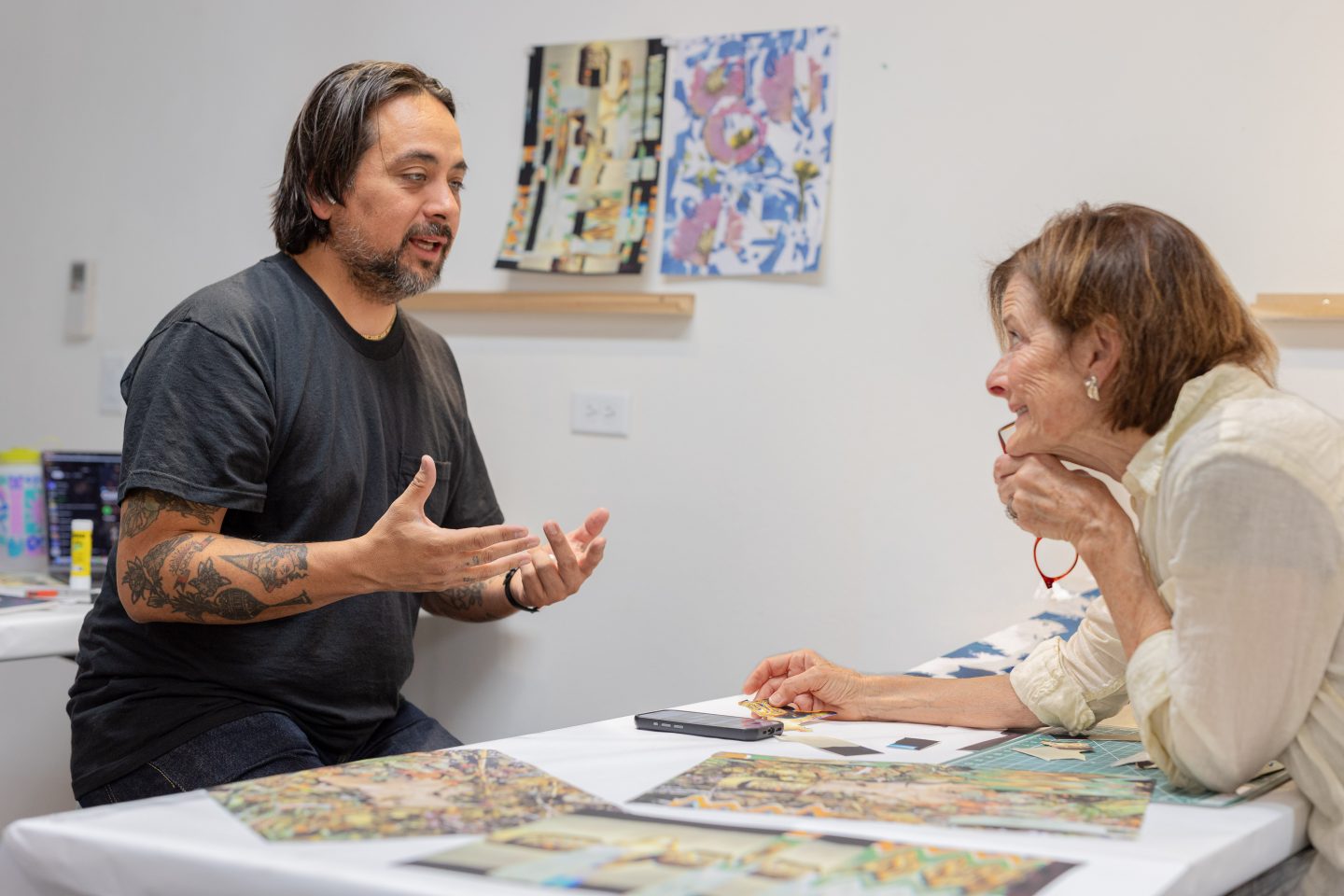
Anderson Ranch’s January Studio Sessions provide artists the opportunity to work on independent projects while receiving mentoring and critique sessions with Anderson Ranch artistic staff. Each participant receives an assigned studio space, orientation, and access to equipment, as well as some morning group demonstrations and / or critiques. This program affords artists the experience enjoyed by national and international artists who access our state-of-the-art studios. Participants may expand their practices, take artistic risks, try new media or complete works for exhibition. *Studios are open 24 hours a day and on weekends for students enrolled in multiple weeks, with limited use of equipment due to safety requirements. IMPORTANT DETAILS: Students will be responsible for all material costs associated with their projects. Private dorm rooms are available at Anderson Ranch for an additional fee; click here to view January 2027 lodging options. Breakfasts and dinners are included in the dorm fee. Lunches are included in the studio fees. TO APPLY: Applicants must submit project proposals or portfolios for approval. Contact Jack Fox with questions and to apply: [email protected]
-
P
Portfolio Review Required
Students have advanced skill and knowledge of photography. Students are highly motivated, have a minimum of five years experience in the field and have a portfolio of their artwork. Typical students are academics and professional artists.
-
S
Studio Session
Jan 25 - 29, 20279 AM - 5 PM
January Studio Sessions: Photography & New Media
Jack Fox
Tuition $1,000
Code ZSP0101d-27
Anderson Ranch’s January Studio Sessions provide artists the opportunity to work on independent projects while receiving mentoring and critique sessions with Anderson Ranch artistic staff. Each participant receives an assigned studio space, orientation, and access to equipment, as well as some morning group demonstrations and / or critiques. This program affords artists the experience enjoyed by national and international artists who access our state-of-the-art studios. Participants may expand their practices, take artistic risks, try new media or complete works for exhibition. *Studios are open 24 hours a day and on weekends for students enrolled in multiple weeks, with limited use of equipment due to safety requirements. IMPORTANT DETAILS: Students will be responsible for all material costs associated with their projects. Private dorm rooms are available at Anderson Ranch for an additional fee; click here to view January 2027 lodging options. Breakfasts and dinners are included in the dorm fee. Lunches are included in the studio fees. TO APPLY: Applicants must submit project proposals or portfolios for approval. Contact Jack Fox with questions and to apply: [email protected]